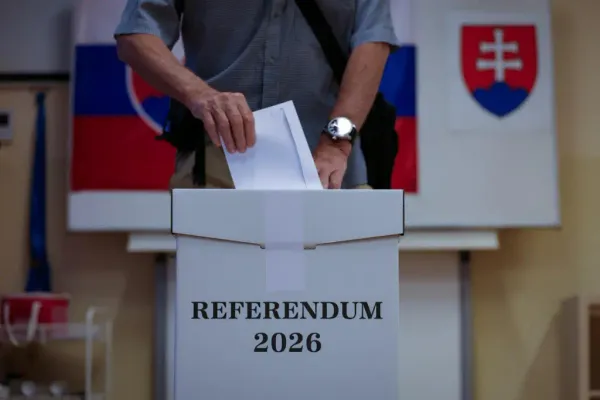
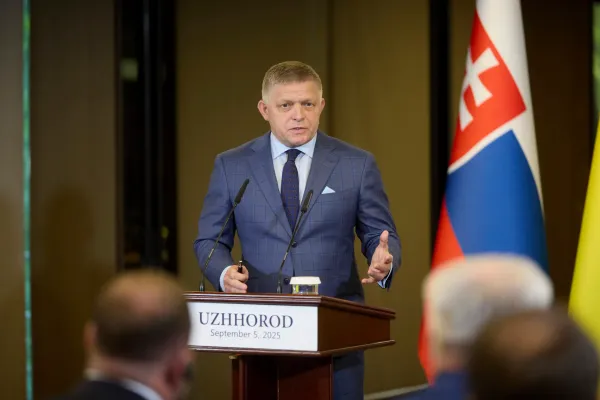
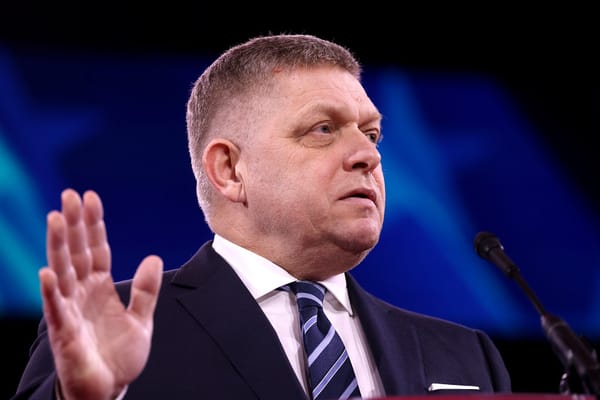
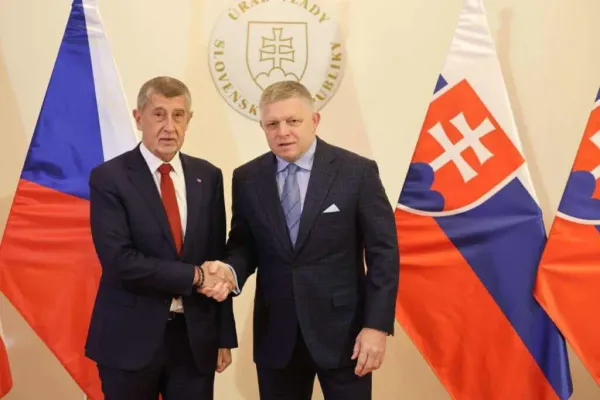
A failed Slovak referendum on Prime Minister Robert Fico's lifetime pension has exposed a pattern playing out well beyond Slovakia: across Europe, benefits for former heads of state are becoming political ammunition precisely where societies and elites are most deeply divided.
Two Central and Eastern European countries with different growth structures and economic performances are both looking to artificial intelligence as a driver of faster development.
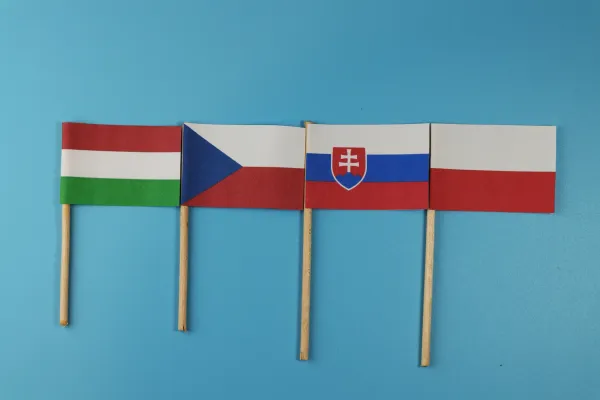
Hungarian Prime Minister Péter Magyar aims to breathe new life into the Visegrád Four format. To achieve this, the countries will have to overcome political differences – particularly regarding their approach toward Russia.
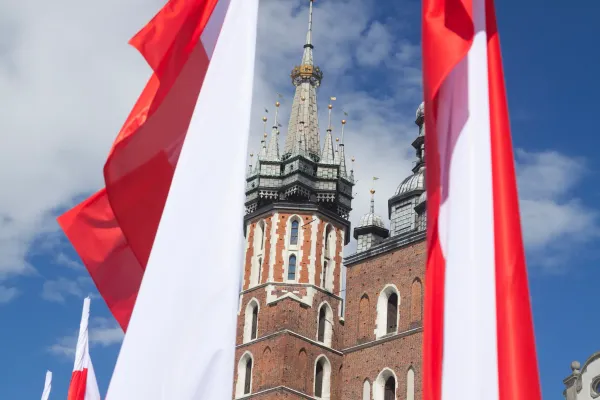
The recent political upheaval in Kraków, where Mayor Aleksander Miszalski was removed in a recall referendum, is more than a local Polish story. It reflects a broader Central European pattern where urban governance, national polarization, and EU-level political identities increasingly intersect.
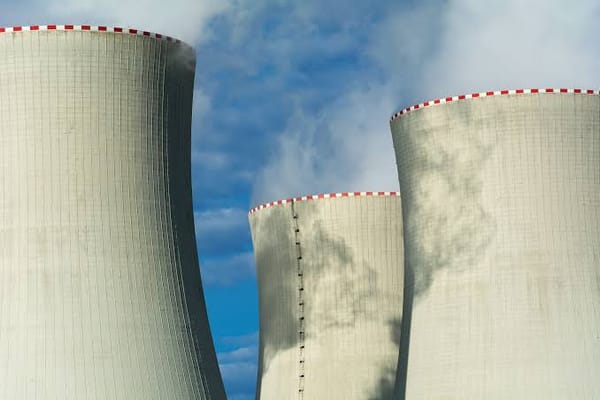
Recent developments around the Druzhba (Friendship) oil pipeline have highlighted just how vulnerable and politically entangled Central Europe’s energy supply remains.
The defeat of Hungary’s ruling party could trigger a domino effect across the region. Slovak media, in this context, point to a weakening of Robert Fico’s position.
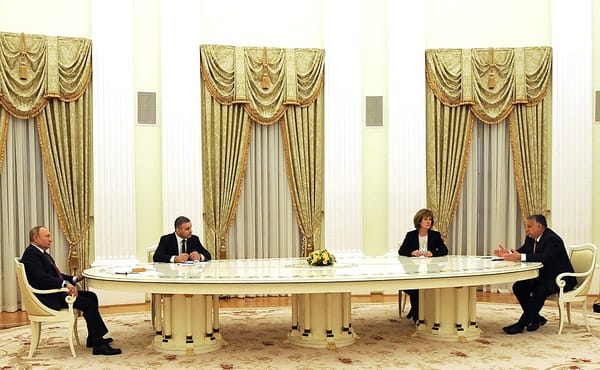
Moscow must also rethink its regional position after Fidesz’s defeat. Russia has lost its most stable ally in the region, while still needing partner(s) within the EU.
On 12 April 2026, Hungarian voters ended sixteen years of Viktor Orbán's rule in a landslide, handing Péter Magyar's Tisza party a two-thirds supermajority on the highest turnout since the fall of communism.
The question of leaving the European Union regularly resurfaces in Polish public life whenever political or rule-of-law disputes between Warsaw and Brussels intensify.
The resignation of veteran broadcaster Václav Moravec from Czech Television in March brought to a head a long-simmering confrontation between the country's public media and the new coalition government of Andrej Babiš, which plans to abolish the licence fees that fund them.
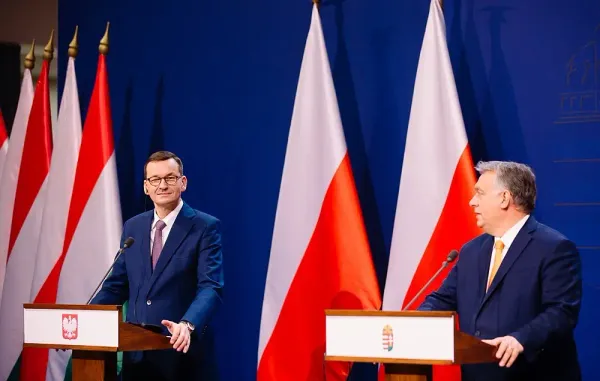
In recent weeks, significant domestic political debate has emerged in Poland over efforts by politicians from the Law and Justice party (PiS) – including Mateusz Morawiecki and Karol Nawrocki – to strengthen ties with Hungarian Prime Minister Viktor Orbán.