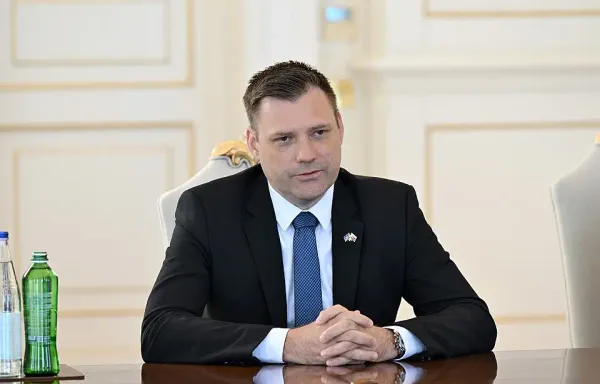
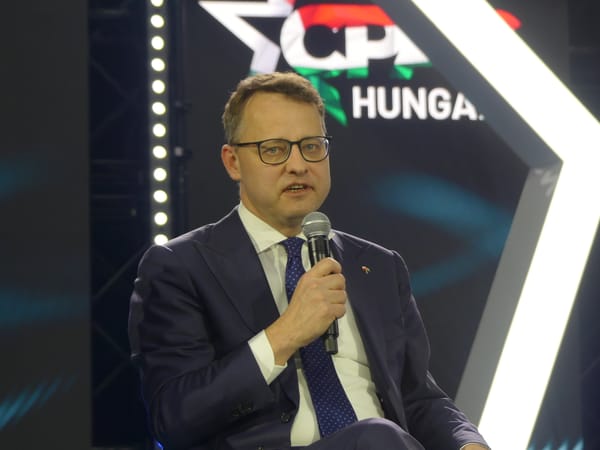
Slovakia’s governing coalition faces renewed uncertainty after seven MPs from the junior coalition SNS joined the opposition to oust Environment Minister Tomáš Taraba.
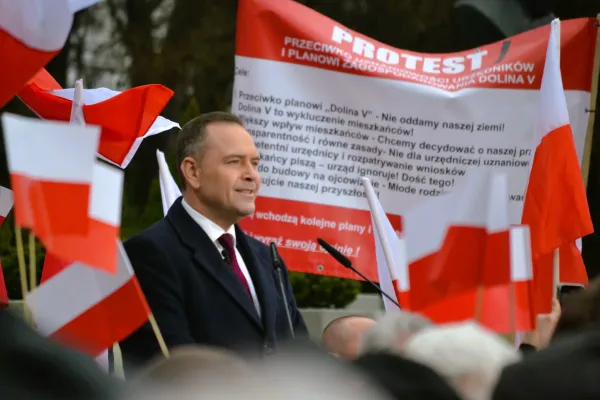
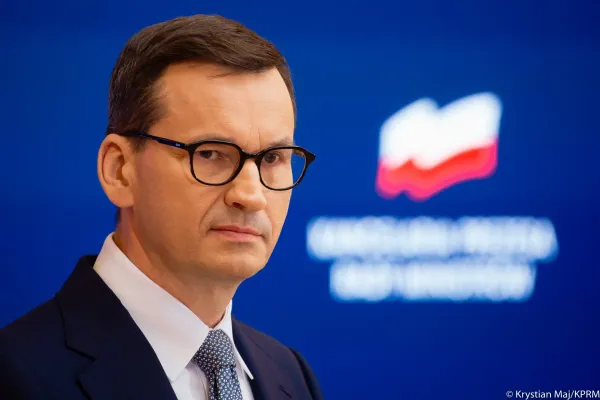
For a long time, Polish politics was shaped by competition between two blocs of roughly similar size: the centre and the far right. The next parliamentary election, however, is likely to be different, as the political formation to the right of the centre is becoming increasingly fragmented.
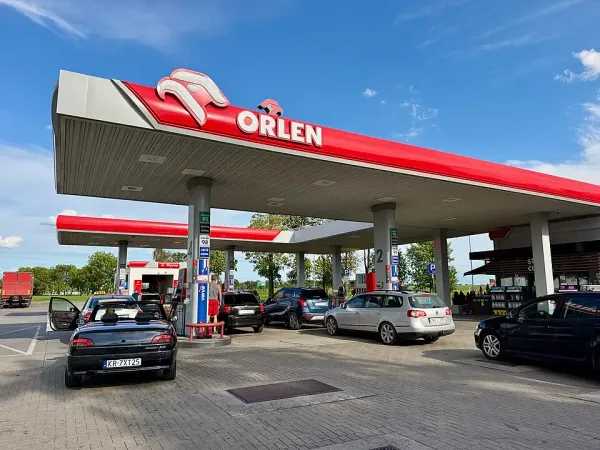
Polish motorists are seeing increasingly higher figures on petrol-station price boards, and for now there is little indication that prices will return to the much lower levels seen at the beginning of the summer anytime soon.
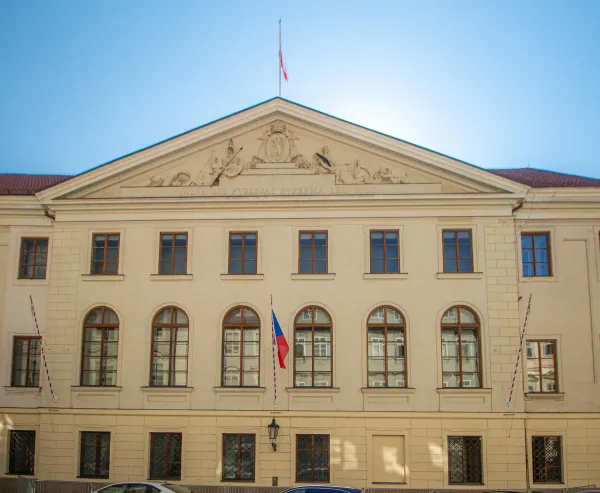
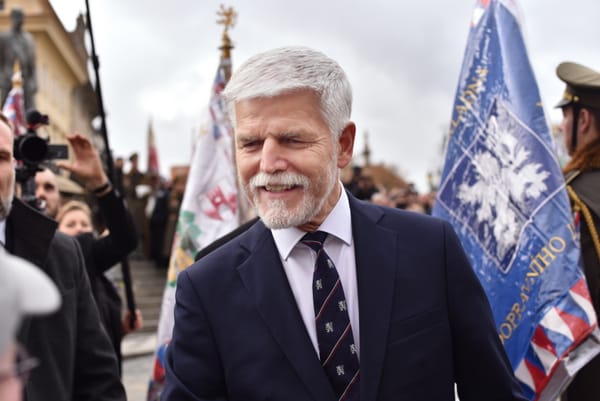
The Czech Chamber of Deputies overrode President Petr Pavel's veto of a fiscal-rules omnibus bill clearing the way for a law that lets the government exceed budget ceilings on defence and infrastructure spending through 2036, a move the opposition says it will challenge at the Constitutional Court.
The Czech Chamber is due to vote on overriding the President's veto of a fiscal-rules bill on 25 August. Not just defence spending is at stake, but the next presidential election, where the President is increasingly viewed by the Czech public as the head of the opposition.
It puts the former Polish ruling party in an uncomfortable position that its former deputy justice minister is hiding from the justice system in territories outside the reach of the law.
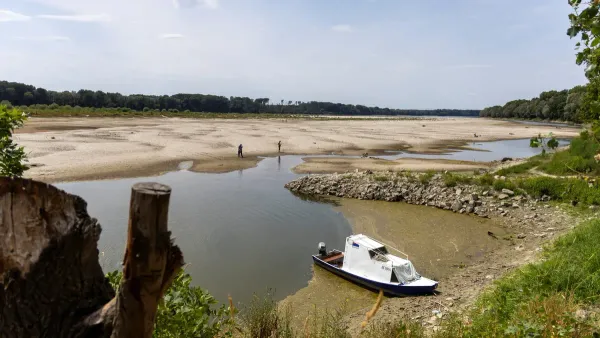
Hungary and Romania are living through their most serious energy crisis in decades, as record-low Danube levels have all but shut down two of the region's nuclear plants.
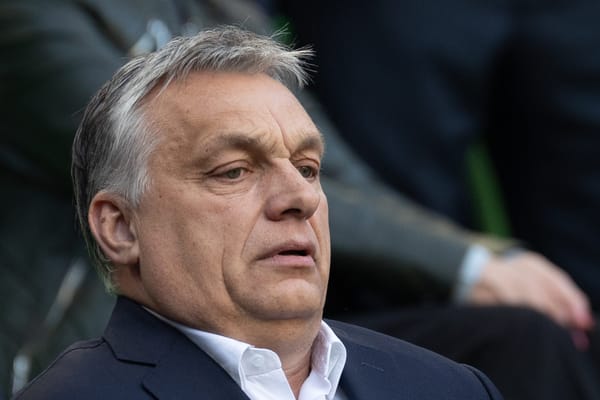
For a long time, it seemed that the return to power of Poland’s illiberal right – allied with Orbán and highly effective at blocking Donald Tusk’s government – was merely a matter of time. But those plans could now be derailed by an emerging split within the party.
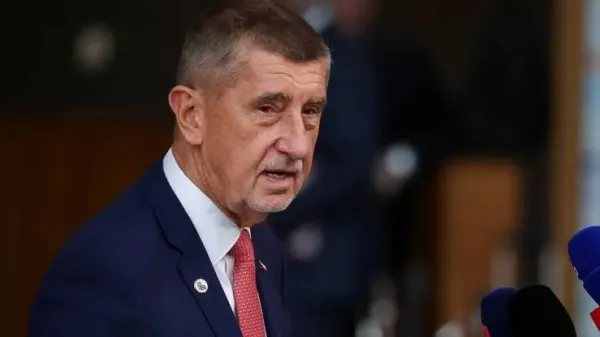
Czechia's 2026 deficit is running nearly a full percentage point above what the outgoing Fiala government projected and the single largest reason is a defence-spending trajectory that Prime Minister Babiš campaigned against but has since chosen to continue.
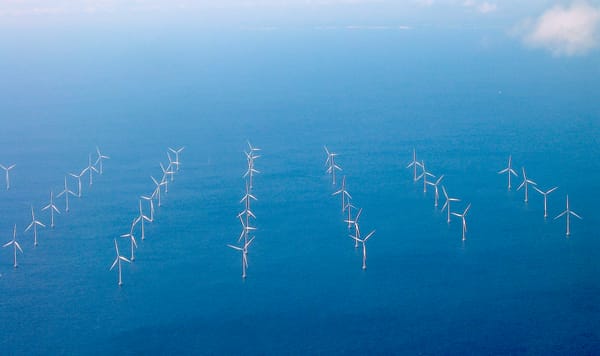
Last week, what may have appeared at first glance to be a purely technical milestone marked the beginning of a new chapter in Poland's energy transition.
Czech President Petr Pavel was nearly excluded from the NATO summit in Ankara. His government tried to keep him off the official delegation list, a sign of an unabated tension between castle and government.
The next big debate on the future of the European Union has already begun—not over enlargement, migration or defence, but over the EU's next long-term budget.
Artificial intelligence is emerging as Central Europe's best answer to an exhausted growth model – but the race to build the infrastructure that could underpin that transformation reveals as much about the region's limitations as its ambitions.
Two Central and Eastern European countries with different growth structures and economic performances are both looking to artificial intelligence as a driver of faster development.