The two recent drone incidents in Romania have once again highlighted a growing reality: while the Russia – Ukraine war continues to be fought primarily on Ukrainian territory, its security implications are increasingly spilling over into neighboring NATO and EU member states.
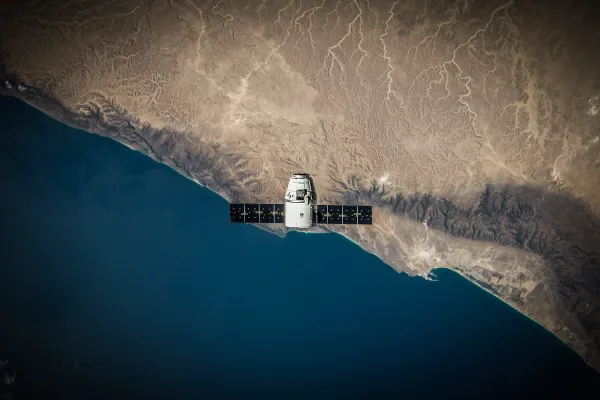
The deployment of the Polish military’s first sovereign operational satellite reconnaissance system may appear at first glance to be a straightforward military-technological development
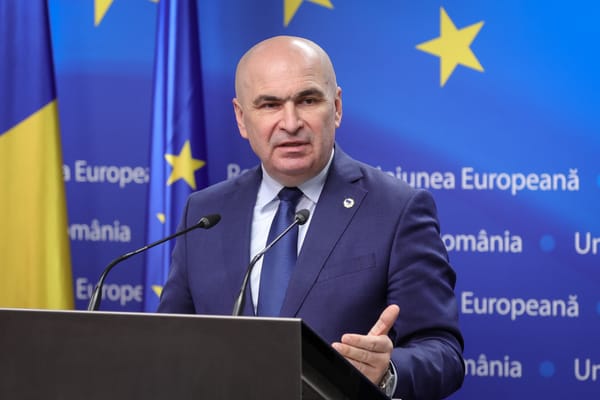
Romania’s governing coalition fractured on Sunday evening when the Social Democratic Party (PSD)voted in an internal referendum to withdraw its political support from Prime Minister Ilie Bolojan.
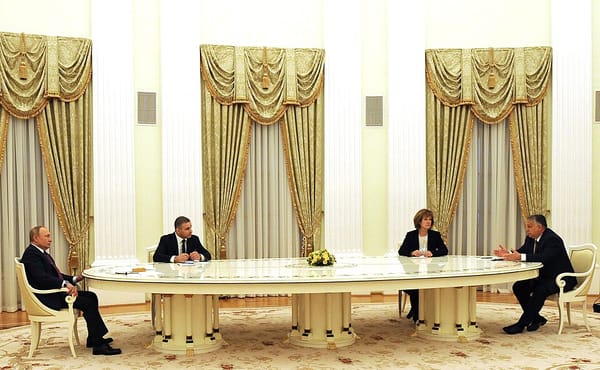
Moscow must also rethink its regional position after Fidesz’s defeat. Russia has lost its most stable ally in the region, while still needing partner(s) within the EU.
Tisza’s landslide victory on April 12 sent the forint to a four-year high and Budapest stocks to a record, as investors priced in the end of the Orbán-era risk premium and the prospect of unlocking frozen EU funds.
The Hungarian election results generated significant reverberations across the region. The reactions simultaneously reflected a sense of geopolitical realignment and each country's own domestic political considerations.
Opinion polls are divergent, but results from government-independent research institutes suggest the possible defeat of the Orbán government in Hungary.
Poland has also been hit by the fuel price shock, to which the government has responded with a price cap. Most countries in the region are attempting to ease the burden on consumers through direct state intervention in pricing.
A Russian drone strike on Ukraine's Druzhba pipeline in January 2026 has triggered a diplomatic crisis between Kyiv, Budapest and Bratislava - but the real damage runs deeper. The dispute has forced into the open a question: whether the EU can remain industrially competitive while paying two to three
A serious domestic political conflict has emerged in Poland after the head of state, Karol Nawrocki, refused to sign a law that would have enabled the country to join the European Union’s joint defence loan programme. The decision is not only a turning point in a specific economic policy
With Hungary's parliamentary elections set for 12 April 2026, the relationship between Budapest and Kyiv has deteriorated into one of the most explosive bilateral disputes in Europe.
The Strait of Hormuz is thousands of miles from Budapest or Prague. Yet the crisis unfolding there is already hitting Central European drivers at the pump.