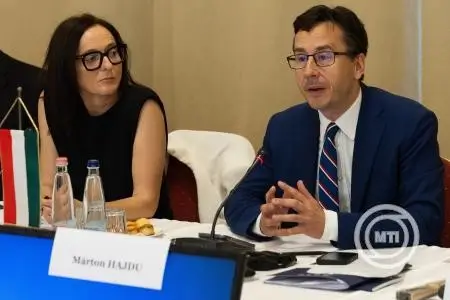
V4 Reloaded: Central Europe Unites to Defend Cohesion and Agricultural Funding
The next big debate on the future of the European Union has already begun—not over enlargement, migration or defence, but over the EU's next long-term budget.

A collection of 241 posts
The next big debate on the future of the European Union has already begun—not over enlargement, migration or defence, but over the EU's next long-term budget.

Romania's upper house has approved two emergency ordinances clearing the last legislative hurdles for the country to sign military procurement contracts under the European Union's SAFE programme. The Senate voted on Tuesday to adopt both pieces of legislation, though in amended form. The legislation is required
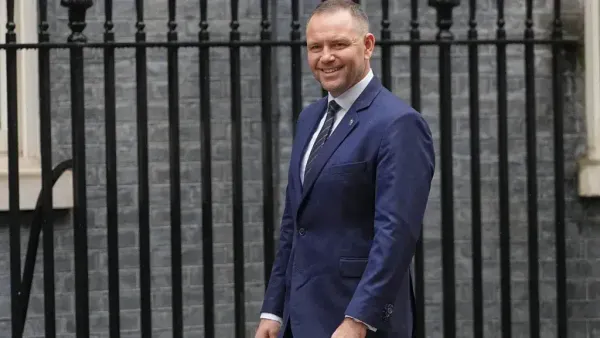
A serious domestic political conflict has emerged in Poland after the head of state, Karol Nawrocki, refused to sign a law that would have enabled the country to join the European Union’s joint defence loan programme. The decision is not only a turning point in a specific economic policy
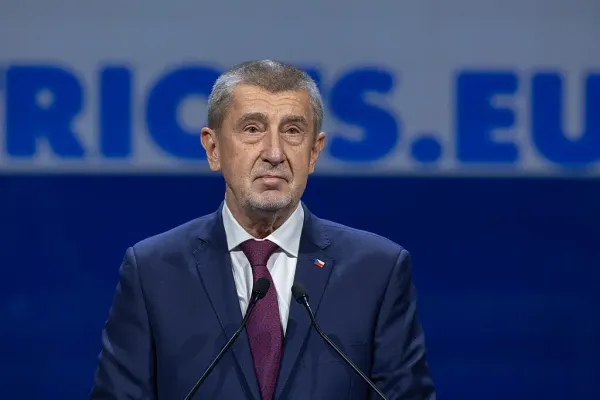
Czech lawmakers have voted to shield Prime Minister Andrej Babiš from criminal prosecution in a decade-old EU subsidy fraud case.
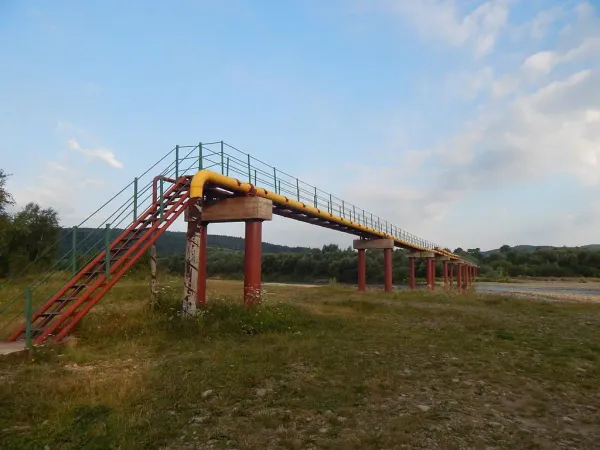
Oil still halted a month after a Druzhba pipeline strike, with Hungary and Slovakia blaming Ukraine for stalling repairs in a deepening row.
Only Poland has strong structural reasons for concern, while Hungary, Czechia and Slovakia stand to benefit from expanded industrial exports.
The aftermath of Trump’s Venezuela move remains unclear, but CEE states are likely to be impacted indirectly by oil prices and EU sanctions.
Despite expectations, the EU–Mercosur deal was not signed and stances of CEE countries remain divided.
Support for EU membership in Poland remains high, but the share of those who would favour leaving the Union now exceeds 10 percent.
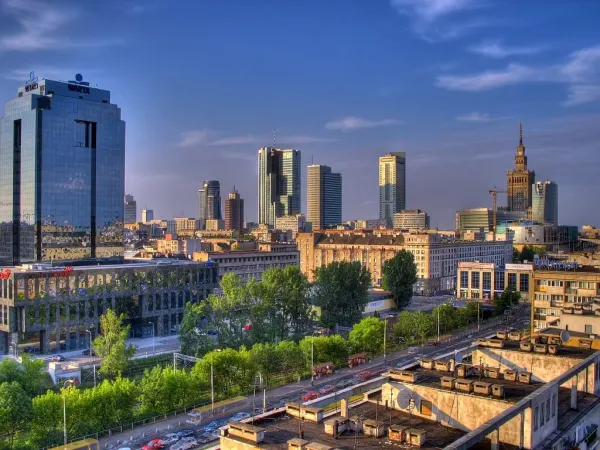
Poland’s economic weight is undoubtedly increasing in the region, with Polish-German economic relations and political tensions deepening.
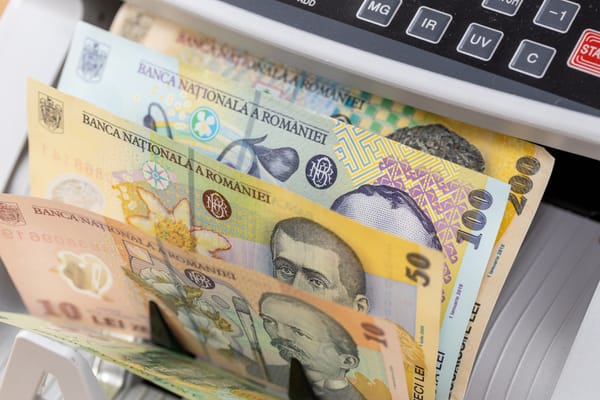
Romania is projected to see modest growth and a gradual narrowing of the budget deficit over the next three years.

More and more migrants enter the EU via its northeast border, making Poland a buffer against Moscow’s politically driven bid to destabilize Europe.
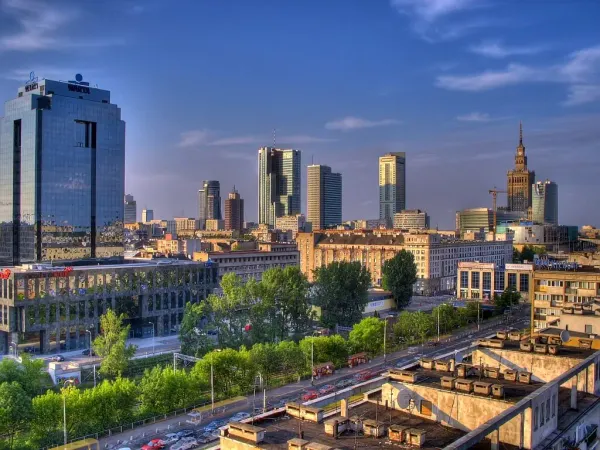
Over the past decade and a half, Poland has undergone a remarkable economic transformation, and in several key indicators it is now comparable with Japan. The question many economists are asking is: what is Poland’s secret, and how has it managed to outpace its Central European peers?
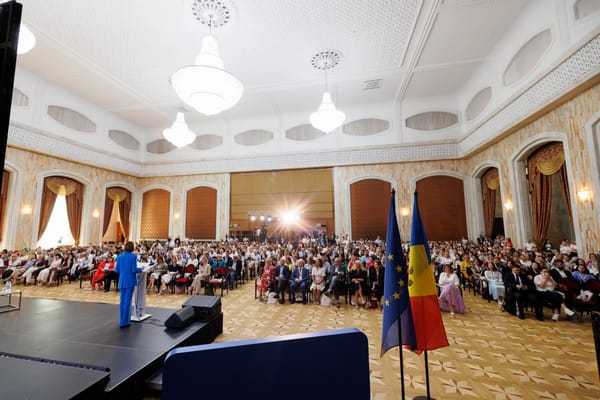
If the EU decides to approach Moldova separately, it would depart from recent EU practice of advancing Moldova, Ukraine and Georgia as a group under the "Association Trio" framework.
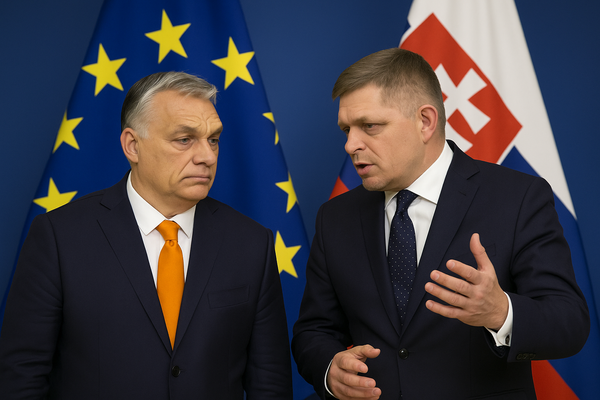
Hungary and Slovakia have emerged as the most vocal opponents of two of the EU’s most consequential reform proposals: plans to phase out Russian energy imports and to overhaul the bloc’s long-term budget to prioritise defence, climate and digital transition. EU mulls ban of new Russian energy