Hungary is joining the Poland-led AI Gigafactory consortium that already includes Czechia and Lithuania, marking a significant upgrade from the country's previous position as one of the EU's lighter-touch "AI Factory Antenna" participants.
The next big debate on the future of the European Union has already begun—not over enlargement, migration or defence, but over the EU's next long-term budget.
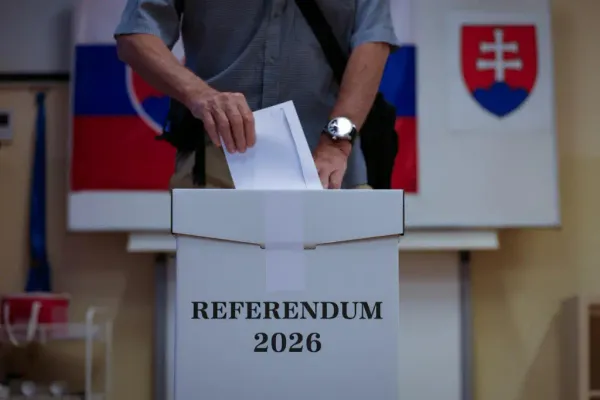
A failed Slovak referendum on Prime Minister Robert Fico's lifetime pension has exposed a pattern playing out well beyond Slovakia: across Europe, benefits for former heads of state are becoming political ammunition precisely where societies and elites are most deeply divided.
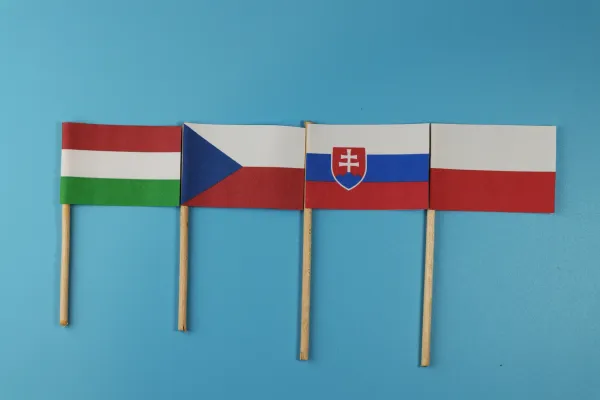
Hungarian Prime Minister Péter Magyar aims to breathe new life into the Visegrád Four format. To achieve this, the countries will have to overcome political differences – particularly regarding their approach toward Russia.
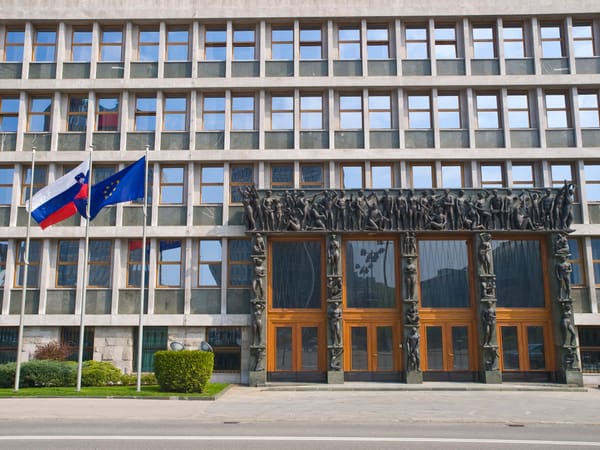
Slovenia’s domestic political uncertainty could even culminate in a new election: following the late-March vote, no political force appears to have secured a governing majority.
Recent developments around the Druzhba (Friendship) oil pipeline have highlighted just how vulnerable and politically entangled Central Europe’s energy supply remains.
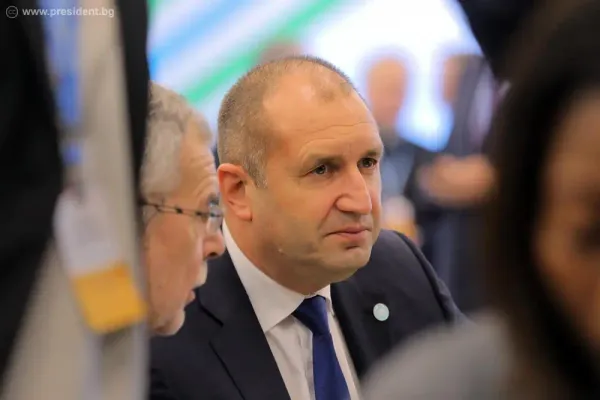
The April 2026 Bulgarian election is not just another domestic political episode, but a turning point whose significance goes beyond the country’s borders.
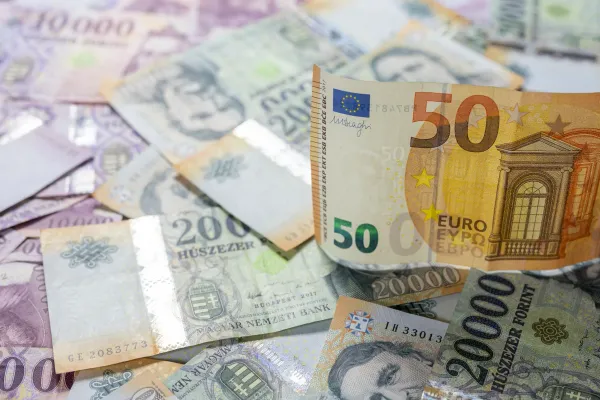
Tisza’s landslide victory on April 12 sent the forint to a four-year high and Budapest stocks to a record, as investors priced in the end of the Orbán-era risk premium and the prospect of unlocking frozen EU funds.
Opinion polls are divergent, but results from government-independent research institutes suggest the possible defeat of the Orbán government in Hungary.
The Strait of Hormuz is thousands of miles from Budapest or Prague. Yet the crisis unfolding there is already hitting Central European drivers at the pump.