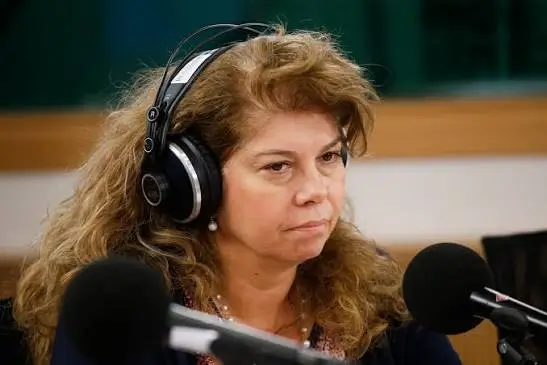
Iliana Iotova has won the second round of Bulgaria’s presidential election, securing 57.6 percent of the vote, while her opponent, the pro-Western Andrey Gyurov, who advocated support for Ukraine, received 39.5 percent.
The April 2026 Bulgarian election is not just another domestic political episode, but a turning point whose significance goes beyond the country’s borders.
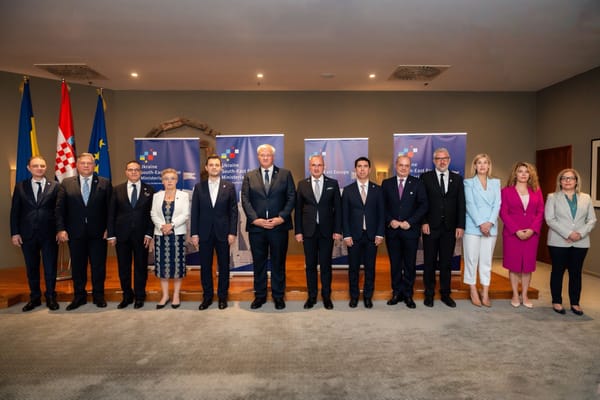
While Hungary and Slovakia welcomed the diplomatic efforts, fellow Visegrad Four members Poland and Czechia joined the Baltic states in rejecting any settlement that bypasses Ukrainian sovereignty.
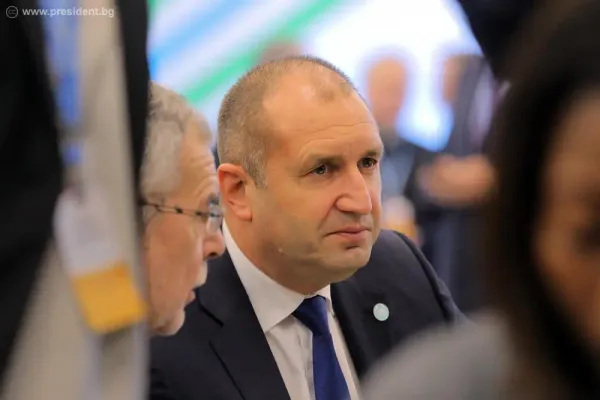
Serbia and Bulgaria did not sign the Dubrovnik declaration. Serbian President Aleksandar Vucic has maintained a policy of strategic ambiguity regarding NATO, while Bulgarian President Rumen Radev has voiced concerns about deepening military support for Ukraine.
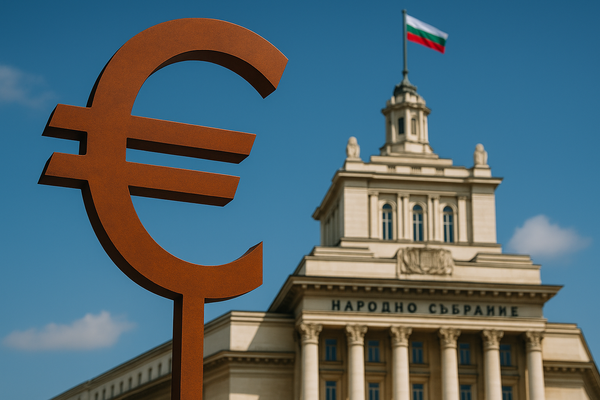
Bulgaria’s pro-European opposition has tabled a declaration committing the country to join the Eurozone on 1 January 2026, challenging the government to reaffirm its commitment to its deadline, amid suggestions of a referendum on the issue.
The We Continue the Change-Democratic Bulgaria (PP-DB) coalition, called for