Bulgaria’s Status Quo Remains Intact
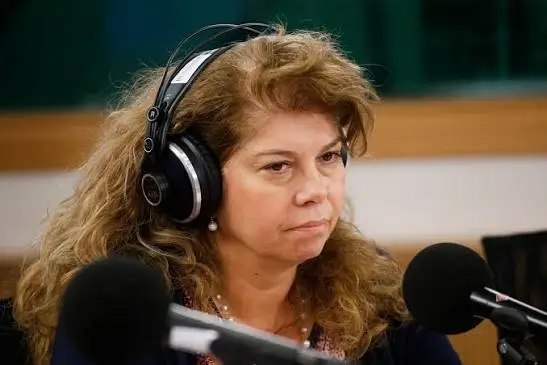
Iliana Iotova has won the second round of Bulgaria’s presidential election, securing 57.6 percent of the vote, while her opponent, the pro-Western Andrey Gyurov, who advocated support for Ukraine, received 39.5 percent. Iotova’s victory is not merely a personal success: it also strengthens the political position of Prime Minister Rumen Radev, whose ally the new president is. Bulgaria is thus moving towards a political leadership in which both the government and the presidency emphasise improving relations with Moscow and seeking a diplomatic end to the war in Ukraine.
The stakes of the election went beyond the identity of the head of state. One of the key questions was what foreign policy course Bulgaria, located on the eastern flank of the European Union and NATO, should pursue in the Russian-Ukrainian war. Gyurov more clearly advocated closer alignment with Euro-Atlantic partners and support for Ukraine. Iotova, by contrast, called for dialogue with Moscow, a negotiated settlement and restraint in providing military assistance. This does not mean, however, that voters unequivocally endorsed Russia’s foreign policy objectives: at the level of day-to-day politics, the vote was also about domestic political power relations and the stability of Bulgaria’s political system.
Iotova’s victory is particularly important for Radev. The prime minister resigned from the presidency in January to pursue a political role in parliament and has remained a central figure in Bulgarian politics ever since. Although the presidency is primarily a ceremonial office, the head of state has the power to veto legislation and also serves as commander-in-chief of the armed forces. The new president therefore cannot govern the country independently, but can influence its direction through her political weight and institutional powers.
The victory is also a warning to the pro-Western opposition: European orientation alone has not proved sufficient to mobilise voters.