Serbia: Political Earthquake After the Election
The outcome of Serbia’s election has fundamentally shaken the political system Aleksandar Vučić has spent fourteen years building.
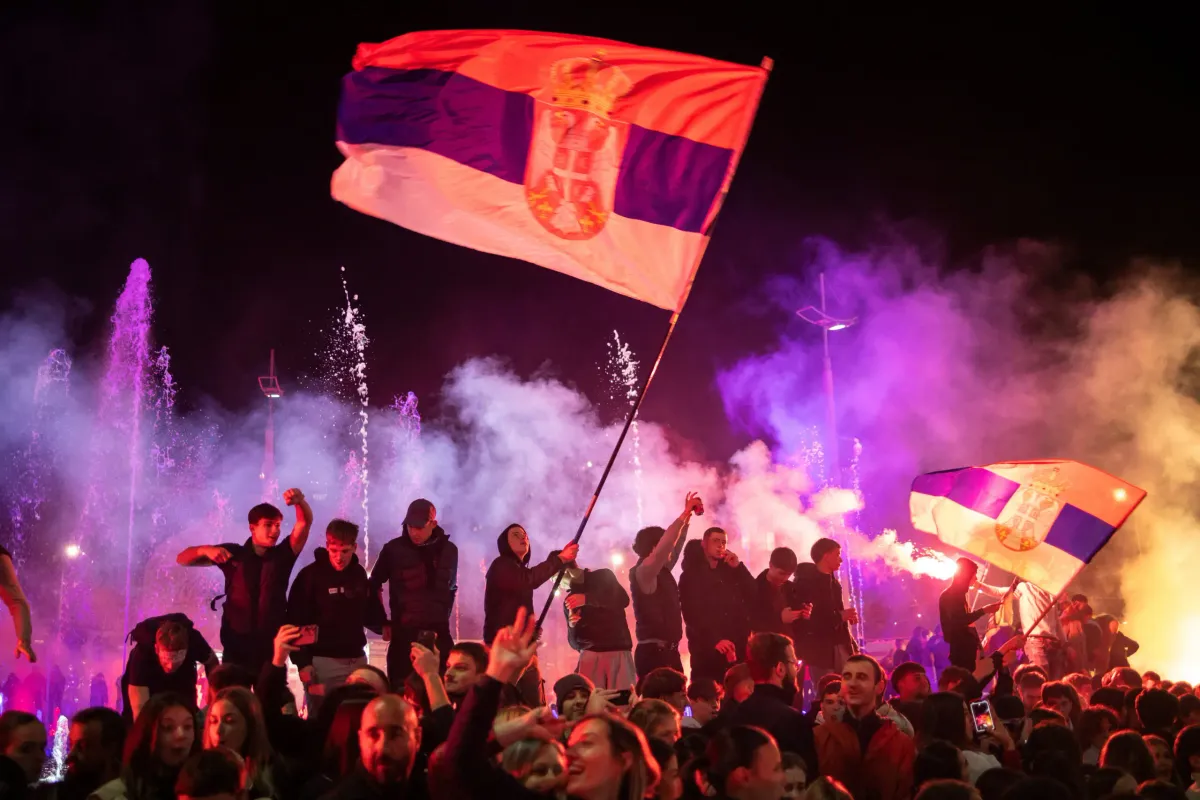
The Student List, backed by the student movement, won the snap parliamentary election held on 25 October 2026, bringing an end to the fourteen-year political dominance of Aleksandar Vučić and the Serbian Progressive Party (SNS). According to preliminary results from the Serbian Electoral Commission, the list secured 52.71 per cent of the vote and 140 of the 250 seats in parliament, while Vučić’s party came second with 39.17 per cent and 104 seats.
Following the election victory, investigations were quickly launched into cases that had received little or no attention under the previous system. Those detained include Marko Kričak, former head of the criminal police, and Davor Macura, owner of Alta Bank. Macura is suspected of abuse of office, and the bank’s operating licence has been revoked. These are investigations and allegations, not final court judgments.
On 4 November, Reuters reported that Serbian authorities had detained nine serving police officers and one former officer. They are suspected of assaulting and threatening people held in custody in the garage of a government building in Belgrade in August 2025. The case is one of the first major official investigations into police violence during the earlier anti-government protests. Since the election, the tone of several media outlets that previously supported Vučić has also changed. Public broadcaster RTS has apologised for politically motivated distortion of information, although television channels and newspapers loyal to the former system continue to wield considerable influence.
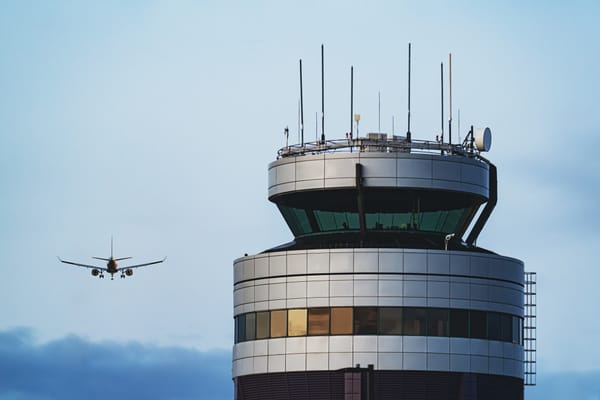
Perhaps the most striking episode in this political upheaval was the return of an Air Serbia flight bound for Moscow to Belgrade on 3 November. Among those on board were Aleksandar Vulin, former intelligence chief and government minister; Dušan Bajatović, head of the state-owned gas company Srbijagas; and Nenad Popović, a minister without portfolio. According to the airline, the authorities had provided information indicating that one passenger required additional security screening. Citing unofficial sources at the airport, N1 reported that Vulin had not undergone the required checks, prompting the aircraft to return to Belgrade. Vulin denied this and described the incident as a politically motivated attack. The aircraft underwent further checks in Belgrade before departing for Moscow on the morning of 4 November. Bajatović said he had intended to discuss gas supplies and the impact of the Alta Bank case on payment arrangements. The bank’s operations had recently been suspended after it allegedly began moving capital out of the country following the election. The full circumstances surrounding the airport procedure have yet to be clarified.
The student movement has pledged to continue Serbia’s European integration and prioritise reforms of the judiciary, the media and state institutions. However, it has not promised a break with Russia. Prominent figures within the movement oppose sanctions against Moscow and maintain Serbia’s traditional position on Kosovo. This raises serious questions about the country’s EU accession prospects, as Brussels expects alignment with its common foreign and security policy, as well as progress towards normalising relations between Belgrade and Pristina.
The Vučić system has suffered a political defeat, but it remains to be seen whether the power structures built around it can also be dismantled. The election result has given the new political forces a clear mandate for change, but reforming the police, intelligence services, judiciary and media landscape is likely to meet considerable resistance.