Elections in the Balkans: Which Way Is Southeastern Europe Heading?
The Serbian election and the first round of Bulgaria’s presidential election both suggest that political forces in Southeastern Europe are shifting. The direction of this change, however, remains unclear: dissatisfaction with corruption and the concentration of power does not necessarily imply an unequivocal commitment to liberal democracy or a pro-Western geopolitical orientation.
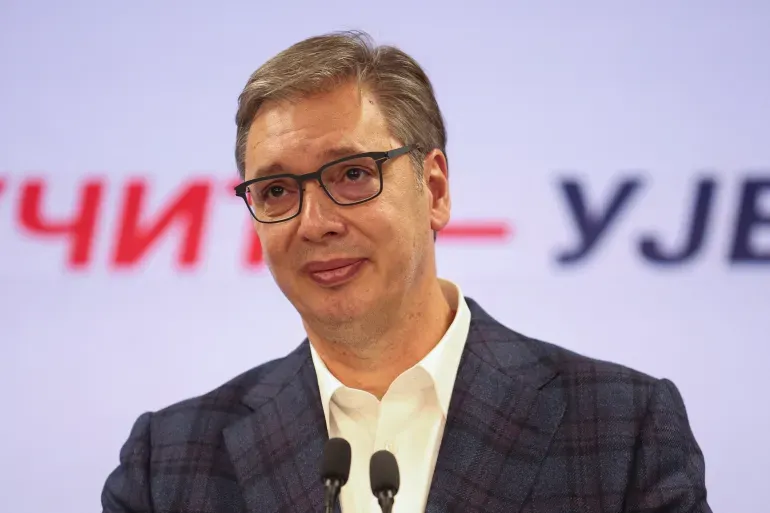
In Serbia, on October 25, an electoral list backed by the student movement defeated Aleksandar Vučić’s political camp. Vučić, who has been a dominant figure in the country since 2014, conceded defeat on election night. According to preliminary estimates, the student list could win 135–140 seats in the 250-member parliament, while the political alliance that had previously governed the country was expected to secure around 105 seats.
The political shift follows nearly two years of protests. The demonstrations were triggered by the tragedy in Novi Sad in November 2024, when the collapse of the railway station canopy killed 16 people. Initially, students demanded that responsibility be established and public spending made transparent. The movement gradually grew into a nationwide campaign against corruption, politically influenced institutions and authoritarian governance. The election victory also creates an opportunity to restore political accountability and democratic institutions.
The student movement brought together people from different political backgrounds, united primarily by their dissatisfaction with the Vučić system. It has not developed a unified foreign policy programme covering all the major issues. The election result therefore primarily demonstrates a rejection of the incumbent leadership; the future government’s actual political direction will become clear through its subsequent decisions.
Serbia’s relationship with the European Union is particularly important for the country’s future. Serbia has been an EU candidate country since 2012, and accession negotiations began in 2014, but progress has stalled for years. Brussels has raised concerns about shortcomings in the rule of law, problems involving media freedom and electoral integrity, and Belgrade’s relationship with Russia. The political shift could provide an opportunity to revive the accession process, but replacing the previous leadership will not be enough. Independent institutions, free media, transparent public procurement and consistent enforcement of the law will be essential.
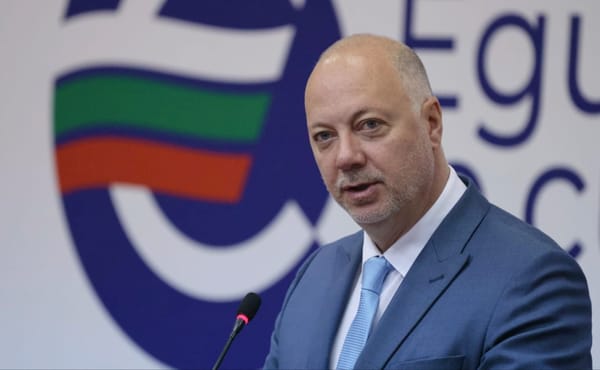
In the first round of Bulgaria’s presidential election, held on October 25, the pro-Russian Iliana Iotova came first with 34.6 per cent of the vote, while the pro-Western, reform-oriented Andrey Gyurov received 32 per cent. As neither candidate secured more than 50 per cent, a second round will take place on November 1. Turnout was exceptionally low, at around 22 per cent, suggesting widespread distrust of the political establishment as a whole.
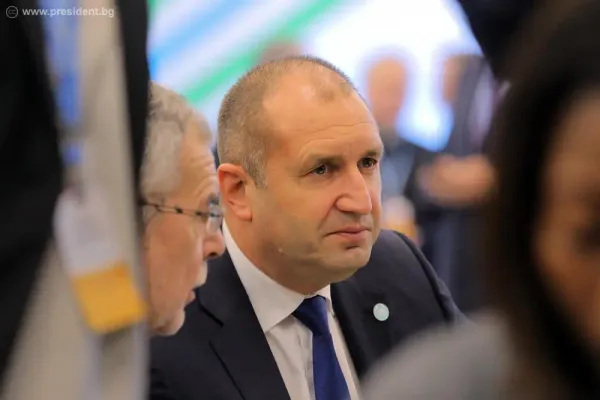
Iotova has the backing of Rumen Radev. On the war in Ukraine, Radev has advocated a diplomatic settlement, and several analysts consider his political orientation favourable to Russia. Iotova’s first-round result, however, does not amount to a convincing lead: Gyurov trailed her by barely three percentage points.
In Serbia, the student movement must now turn protest into effective governance, while in Bulgaria the decision on the country’s political direction has been postponed until the second round. For the European Union, both developments represent an opportunity: it should encourage stronger democratic institutions through a consistent, merit-based enlargement policy and credible support. Voters can open the way to change, but its ultimate direction will be determined by political decisions.