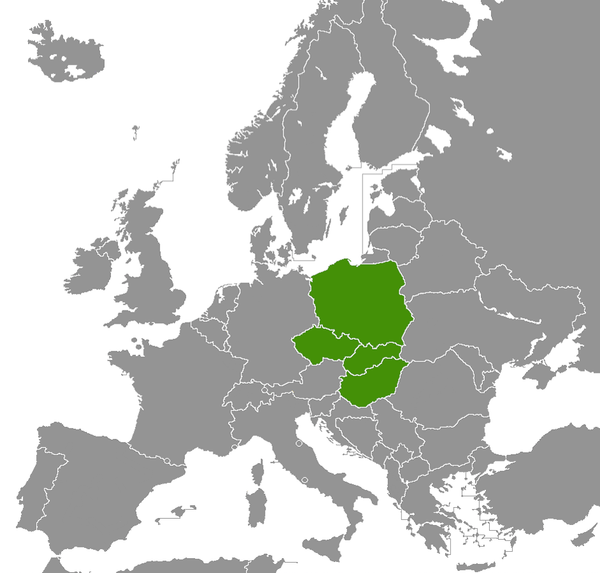
Slovakia, Czechia and Poland are all writing 2027 budgets that push against their own debt and deficit limits. Defence is the obvious culprit, but weak growth, the energy shock and rising interest bills are doing just as much damage.
Slovakia’s governing coalition faces renewed uncertainty after seven MPs from the junior coalition SNS joined the opposition to oust Environment Minister Tomáš Taraba.
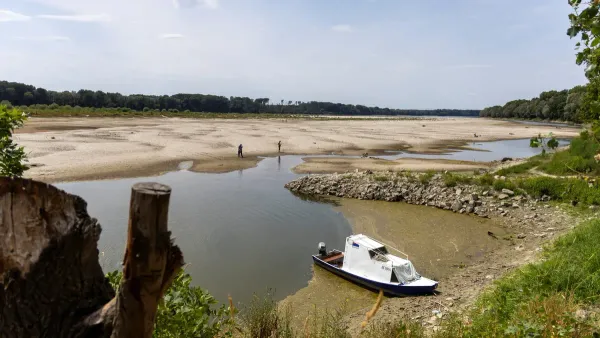
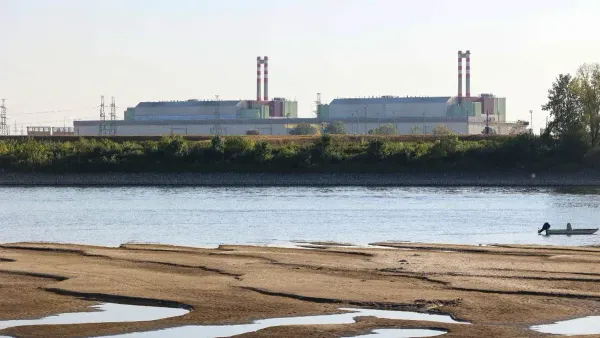
Hungary and Romania are living through their most serious energy crisis in decades, as record-low Danube levels have all but shut down two of the region's nuclear plants.
In Hungary, low Danube water levels and a prolonged heatwave have created an acute energy crisis, while other countries in the region appear to have weathered the situation more easily. Part of the explanation lies in the differences between the cooling systems used by their nuclear power plants.
The next big debate on the future of the European Union has already begun—not over enlargement, migration or defence, but over the EU's next long-term budget.
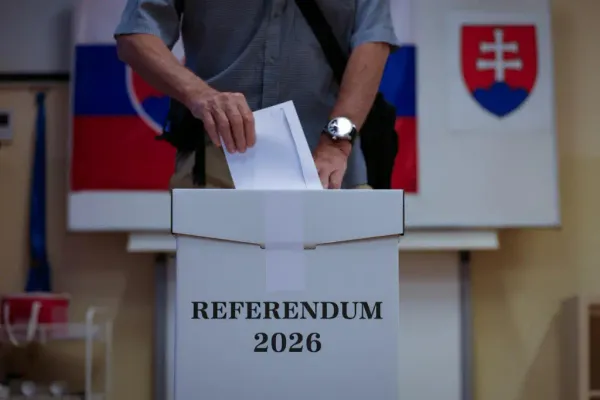
A failed Slovak referendum on Prime Minister Robert Fico's lifetime pension has exposed a pattern playing out well beyond Slovakia: across Europe, benefits for former heads of state are becoming political ammunition precisely where societies and elites are most deeply divided.
The defeat of Hungary’s ruling party could trigger a domino effect across the region. Slovak media, in this context, point to a weakening of Robert Fico’s position.
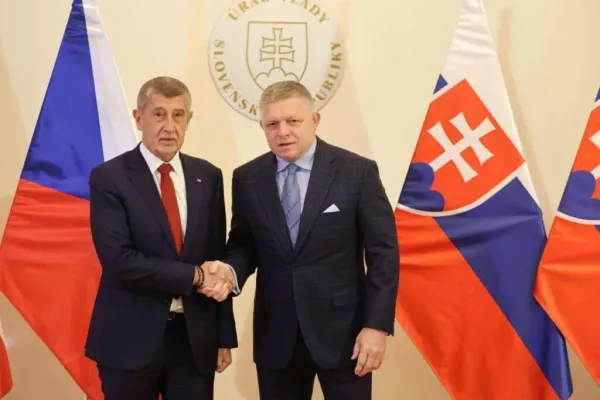
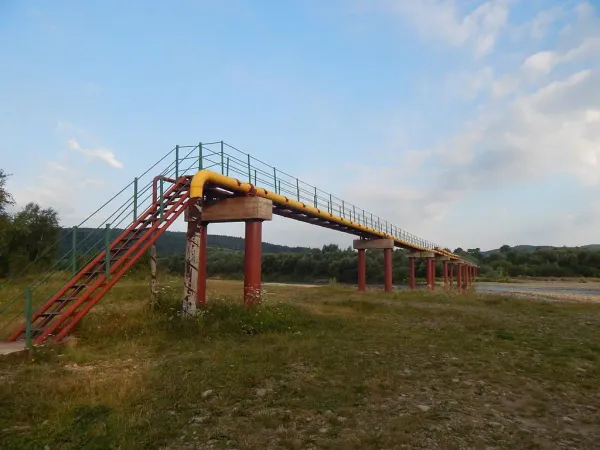
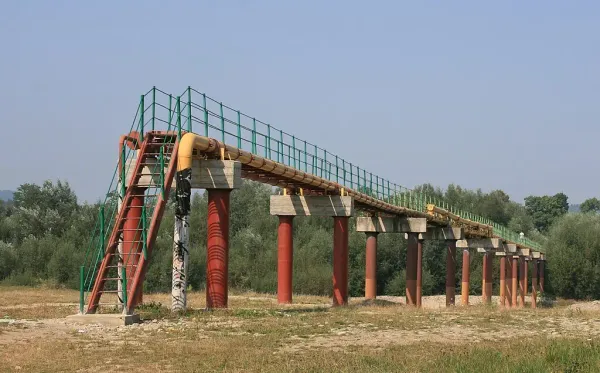
The Czech Republic and Slovakia have agreed to invest approximately €40 million to reverse the flow of the Czech section of the Druzhba pipeline, creating an alternative crude oil supply route for Slovakia amid an ongoing energy crisis triggered by damage to the pipeline's Ukrainian stretch.
Debates on Roma communities have resurfaced regionally, amid controversy in Hungary, policy debates in Slovenia and politicization in Czechia, Slovakia.