Debt brakes and vetoes: Slovakia, Czechia and Poland test their fiscal limits
Slovakia, Czechia and Poland are all writing 2027 budgets that push against their own debt and deficit limits. Defence is the obvious culprit, but weak growth, the energy shock and rising interest bills are doing just as much damage.
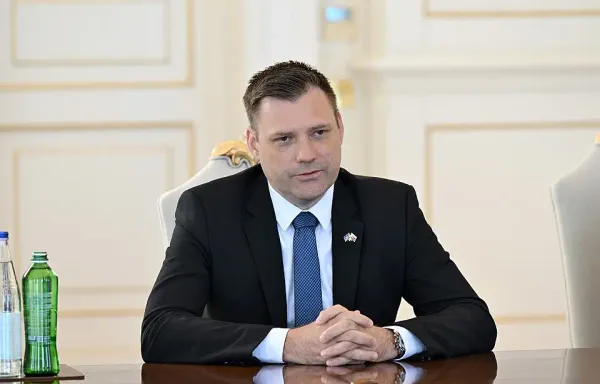
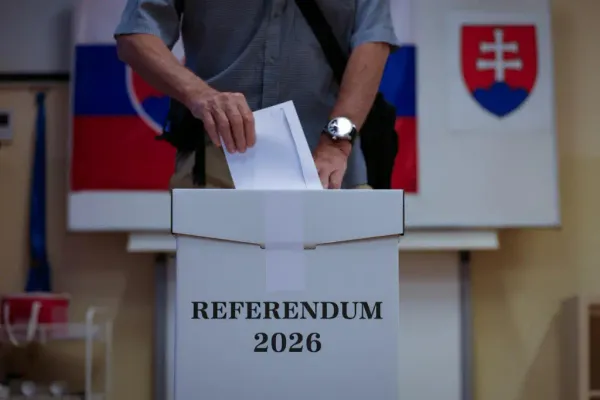
On 5 October, Robert Fico's cabinet approved Slovakia's budget for 2027–2029. It targets a general government deficit of 4.94% of GDP, wider than this year's expected 4.37%, with debt still rising. The draft now goes to the National Council, where the coalition's majority has been in doubt since 29 September, when Environment Minister Tomáš Taraba was ousted with the votes of the junior coalition party SNS.
The budget also sits uneasily with Slovakia's constitution. Once debt is this high, the constitutional debt brake requires a balanced budget. The government instead invokes a clause that waives this when extraordinary expenditures exceed 3% of GDP. The Council for Budget Responsibility has warned of a possible conflict with the constitution.
Slovakia is not alone. In Czechia and Poland, too, 2027 budgets push deficits or debt against legal limits, and the presidents have invoked them.
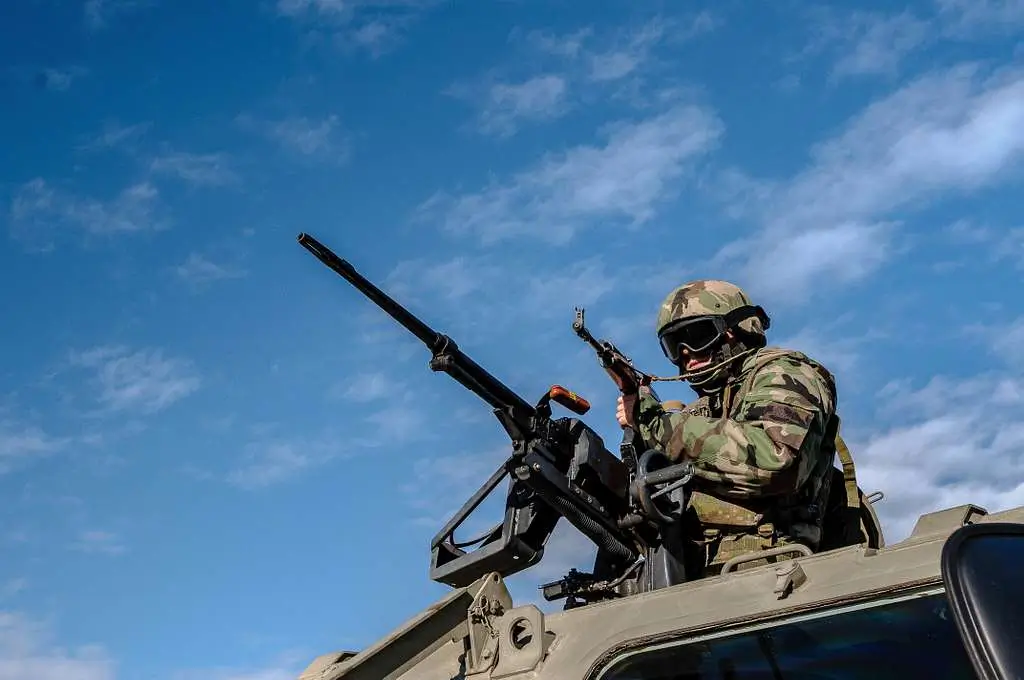
Defence is the obvious common force: all three are raising defence spending, or holding it at record levels, under NATO's new pledge of 3.5% of GDP. But the deeper squeeze comes from weaker growth and the Middle East energy shock, which slow revenue, add energy-support costs and keep interest rates high. Slovakia, with the weakest growth, feels it most. Poland, still growing at around 3%, has a deficit that is structural rather than cyclical.
Slovakia: a majority test, and no presidential brake
Unlike his Czech and Polish counterparts, President Peter Pellegrini, a coalition ally, has raised no objection. The barrier is the constitutional debt brake itself, which the government is sidestepping through the 3% exemption clause.
Defence is part of the rise, climbing from 2% to 2.2% of GDP. The European Commission attributes the projected widening of the 2027 deficit mainly to defence investment and national co-financing of EU projects. The budget also carries 13th pensions and public-sector pay rises.
Weak growth and energy prices do the rest. The Commission expects growth below 1% this year, as in 2025, citing fiscal consolidation and uncertainty from the Middle East conflict, which has pushed fuel prices up since March.
Czechia: the president steps up, the coalition overrides
The Babiš coalition of ANO, SPD and Motoristé has approved a 2027 state budget that implies a general government deficit of around 3.5% of GDP.
The budget could only be drafted this way after the Budgetary Responsibility Act and the Budgetary Rules Act were amended. The amendment extends the existing defence-spending exemption from 2033 to 2036 and loosens the deficit-control mechanism.
President Petr Pavel vetoed the amendment, but the Chamber overrode him in August, and now the opposition is taking the law to the Constitutional Court.
Defence is the item the new rules were written around. The defence ministry's budget rises by almost a quarter, lifting total defence spending just above 2% of GDP. That reverses the new government's cut of this year's defence budget to around 1.8%.
Energy and interest costs add to the bill. To keep electricity bills down, the state now pays all renewable-energy support fees from the budget. The Commission expects growth to slow below 2% this year under the energy price shock before recovering in 2027. The central bank has kept rates high, and debt service is climbing. Growth is not collapsing, though: the Centre for Public Finance notes that the fiscal expansion comes with the economy running at potential.
Poland: the highest deficit, under a debt ceiling
Poland's government adopted its final 2027 draft on 29 September and sent it to the Sejm. The general government deficit stays at 7.1% of GDP, the highest of the three and above what the government originally planned. By EU measures, debt is set to climb above 70% of GDP.
The president has stepped up, but in two directions. Karol Nawrocki cannot veto the budget law; he can only sign it or refer it to the Constitutional Tribunal. In January he did both with this year's budget, criticising its impact on debt. Yet he has also vetoed tax increases meant to narrow the deficit. The hard barrier is the debt ceiling: the government itself concedes that debt will probably cross a statutory threshold in 2028, triggering automatic brakes.
Defence is the heaviest item in Poland's fiscal picture, at 4.51% of GDP, the highest of the three even after a slight dip from this year. With growth around 3%, a deficit this large is structural, not cyclical. The year-on-year pressure comes from health and interest: debt service rises sharply as bonds issued at near-zero rates in 2020–21 are refinanced at higher ones.
Beyond defence: growth, energy and interest
Defence is the visible common thread, and the item the fiscal rules are being bent around. Underneath, all three budgets face the same external shock: the Middle East energy shock has slowed growth across the EU and pushed inflation back up. It reaches each budget differently: through weak growth in Slovakia, energy subsidies in Slovakia and Czechia, and higher interest bills everywhere. With Poland and Slovakia heading to elections in 2027, none of the three governments is likely to cut elsewhere to make room.