Slovakia, Czechia and Poland are all writing 2027 budgets that push against their own debt and deficit limits. Defence is the obvious culprit, but weak growth, the energy shock and rising interest bills are doing just as much damage.
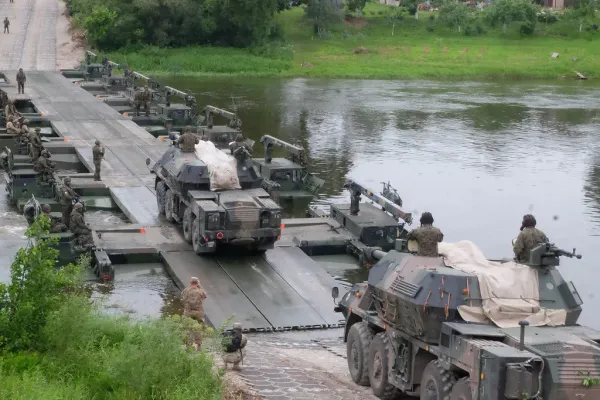
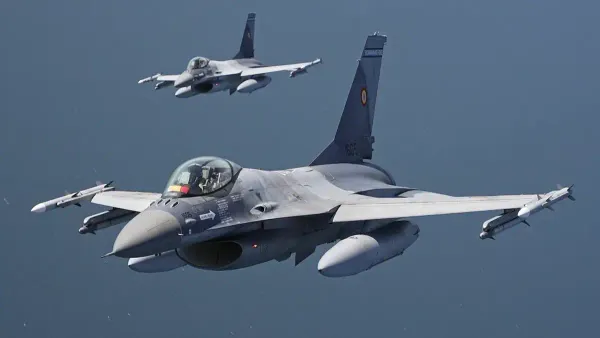
In an analysis published on September 28, Marcin Wyrwał, a journalist with Onet, raised a question that at first glance concerns Poland’s military commitments but in fact touches on the credibility of NATO’s entire eastern flank
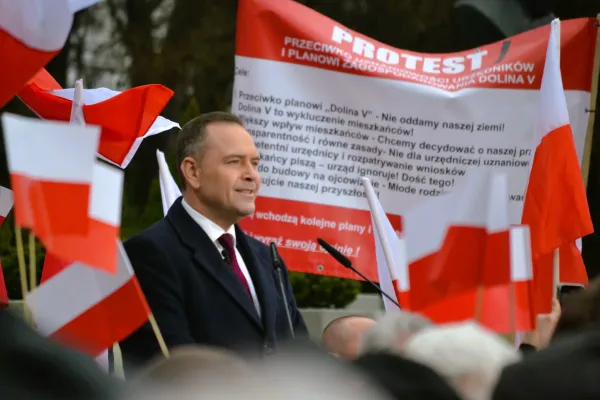
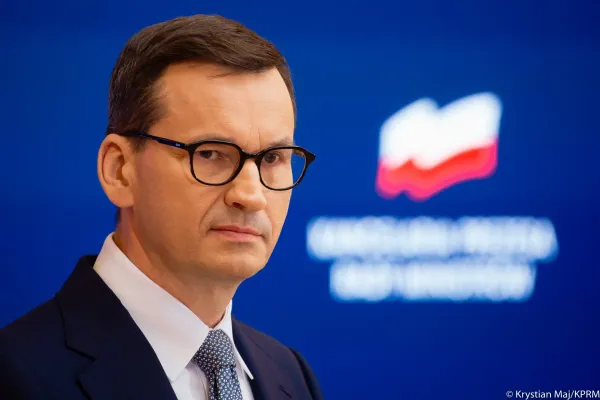
For a long time, Polish politics was shaped by competition between two blocs of roughly similar size: the centre and the far right. The next parliamentary election, however, is likely to be different, as the political formation to the right of the centre is becoming increasingly fragmented.
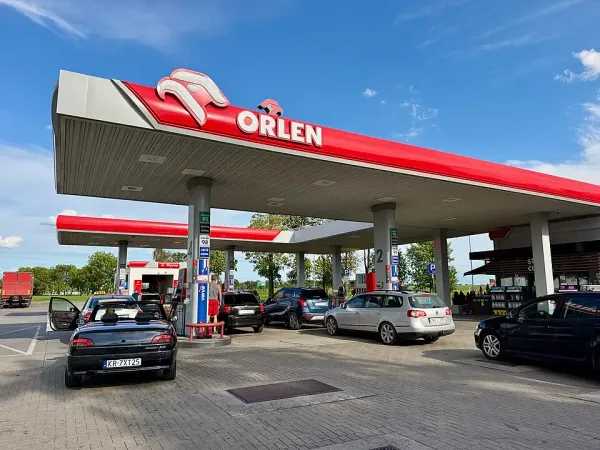
Polish motorists are seeing increasingly higher figures on petrol-station price boards, and for now there is little indication that prices will return to the much lower levels seen at the beginning of the summer anytime soon.
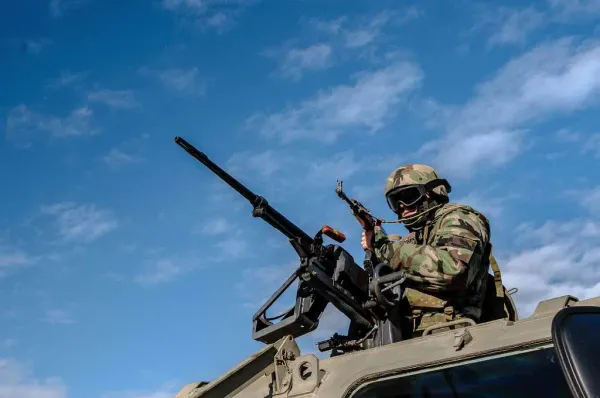
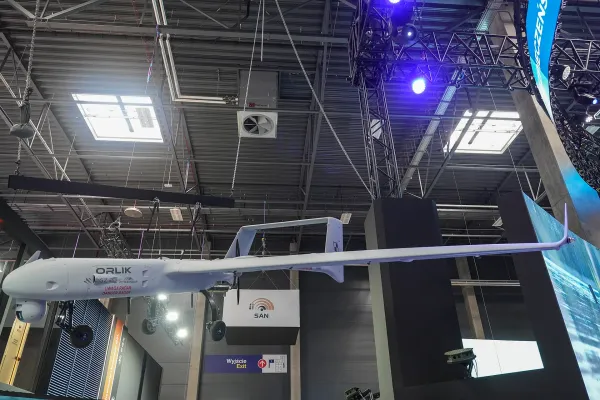
Russia is deploying increasingly sophisticated jet-powered drones in the immediate vicinity of the Ukrainian-Polish border, while a recent Polish military analysis suggests that Warsaw’s armed forces have still not fully adapted to the type of warfare that has already become commonplace in Ukraine.
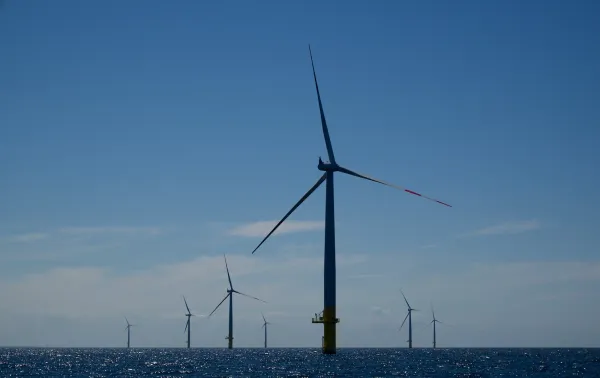
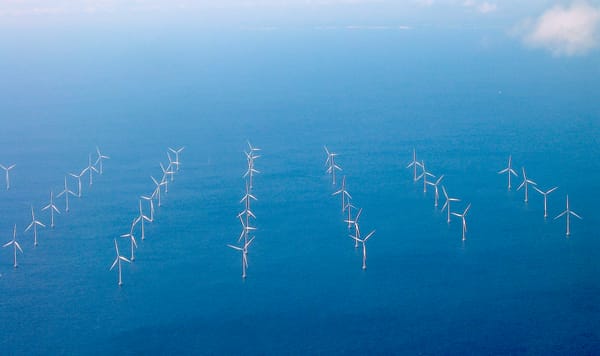
On July 10, a new chapter began in Poland’s history: for the first time, electricity generated by an offshore wind farm entered the country’s national power grid.
It puts the former Polish ruling party in an uncomfortable position that its former deputy justice minister is hiding from the justice system in territories outside the reach of the law.
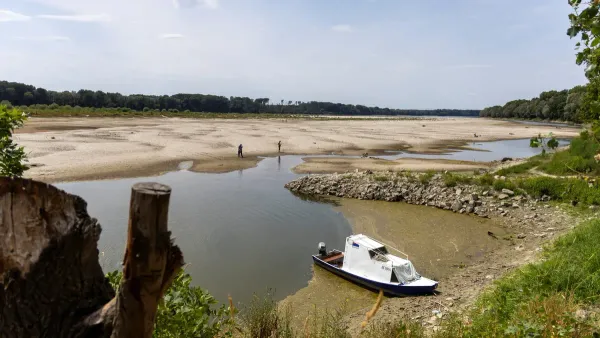
Hungary and Romania are living through their most serious energy crisis in decades, as record-low Danube levels have all but shut down two of the region's nuclear plants.
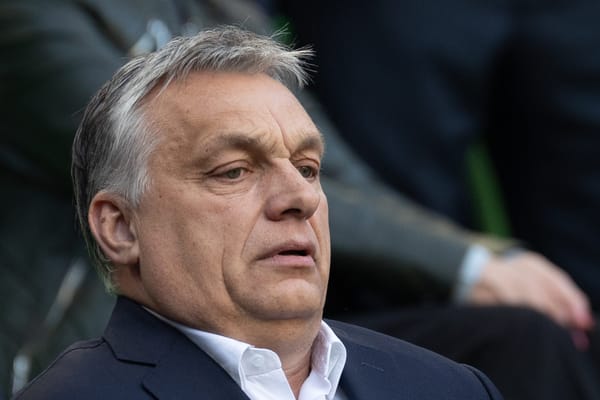
For a long time, it seemed that the return to power of Poland’s illiberal right – allied with Orbán and highly effective at blocking Donald Tusk’s government – was merely a matter of time. But those plans could now be derailed by an emerging split within the party.
Hungary is joining the Poland-led AI Gigafactory consortium that already includes Czechia and Lithuania, marking a significant upgrade from the country's previous position as one of the EU's lighter-touch "AI Factory Antenna" participants.
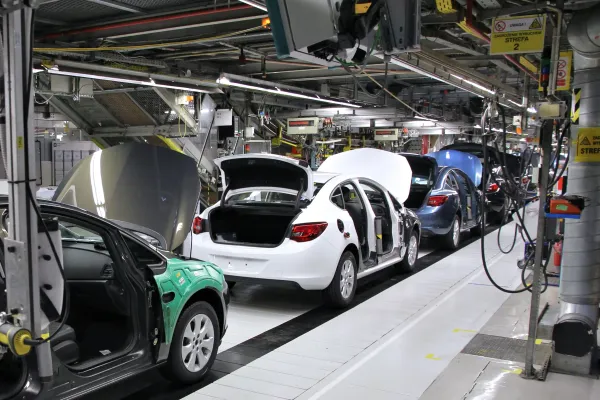
Poland, often described as the “success story” of the European economy, is sending mixed signals. There is no immediate crisis, but the country’s industrial sector is showing weaker figures than before, raising the possibility of stagnation or even a decline.
Last week, what may have appeared at first glance to be a purely technical milestone marked the beginning of a new chapter in Poland's energy transition.
Czech President Petr Pavel was nearly excluded from the NATO summit in Ankara. His government tried to keep him off the official delegation list, a sign of an unabated tension between castle and government.