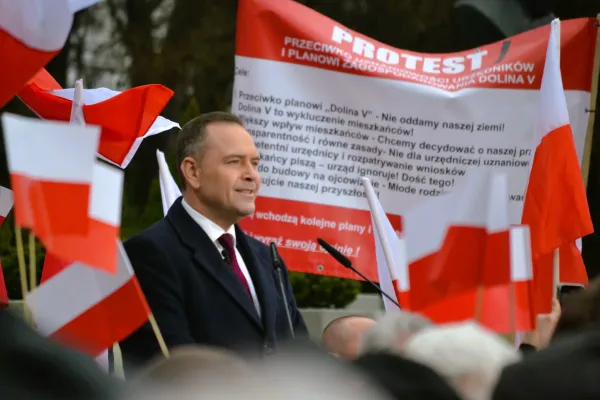
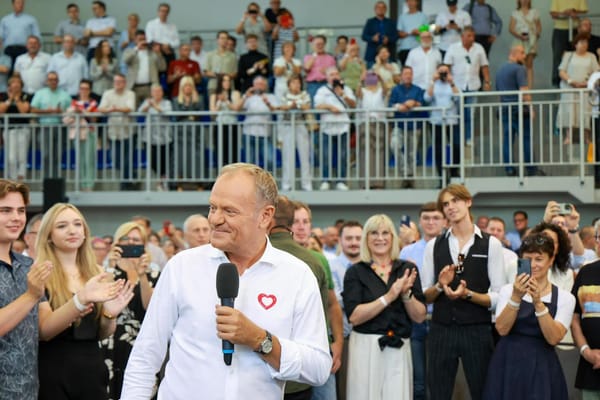
For a long time, Polish politics was shaped by competition between two blocs of roughly similar size: the centre and the far right. The next parliamentary election, however, is likely to be different, as the political formation to the right of the centre is becoming increasingly fragmented.
Czech President Petr Pavel was nearly excluded from the NATO summit in Ankara. His government tried to keep him off the official delegation list, a sign of an unabated tension between castle and government.
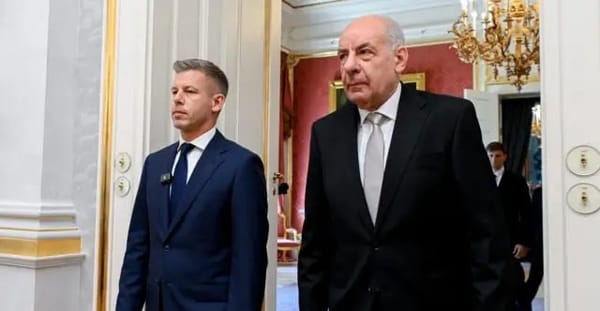
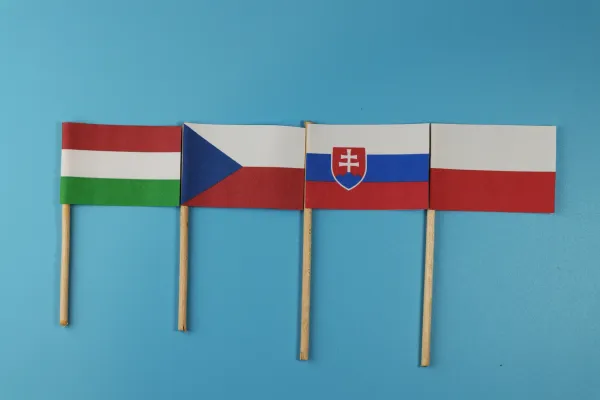
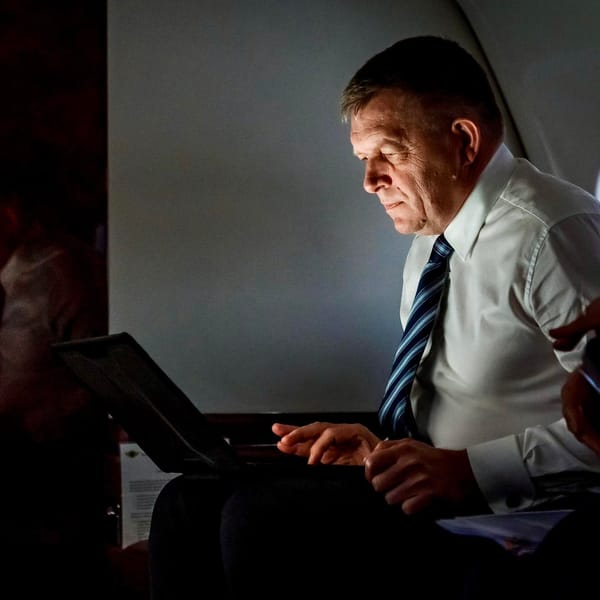
Hungarian Prime Minister Péter Magyar aims to breathe new life into the Visegrád Four format. To achieve this, the countries will have to overcome political differences – particularly regarding their approach toward Russia.
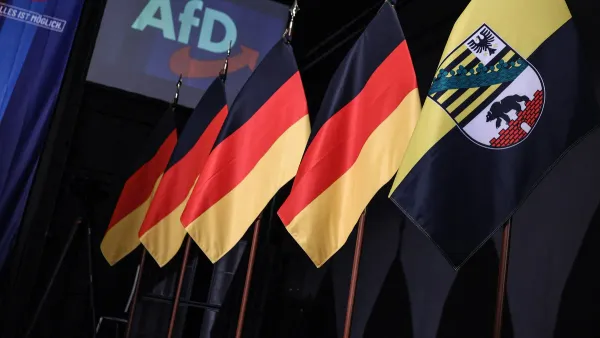
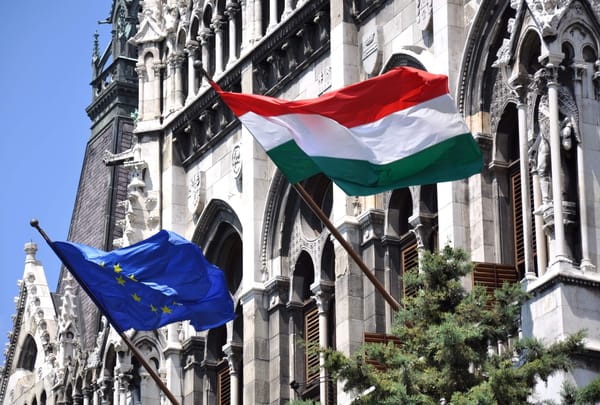
The Hungarian election results generated significant reverberations across the region. The reactions simultaneously reflected a sense of geopolitical realignment and each country's own domestic political considerations.
A serious domestic political conflict has emerged in Poland after the head of state, Karol Nawrocki, refused to sign a law that would have enabled the country to join the European Union’s joint defence loan programme. The decision is not only a turning point in a specific economic policy
Over the past decade and a half, Poland has undergone a remarkable economic transformation, and in several key indicators it is now comparable with Japan. The question many economists are asking is: what is Poland’s secret, and how has it managed to outpace its Central European peers?
Von der Leyen's visits to frontline NATO states aims to deliver a message of solidarity while boosting Europe’s defence capacity, promoting joint procurement and galvanising industrial support through the EU’s SAFE mechanism.
While Hungary and Slovakia welcomed the diplomatic efforts, fellow Visegrad Four members Poland and Czechia joined the Baltic states in rejecting any settlement that bypasses Ukrainian sovereignty.
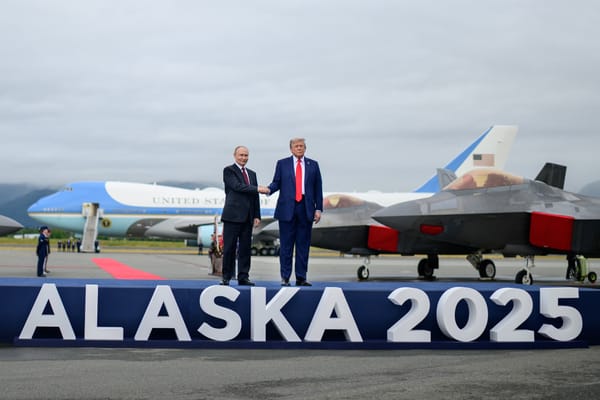
Slovak Prime Minister Robert Fico said Ukraine would bear the cost regardless of the outcome of a planned summit between US President Donald Trump and Russian President Vladimir Putin.
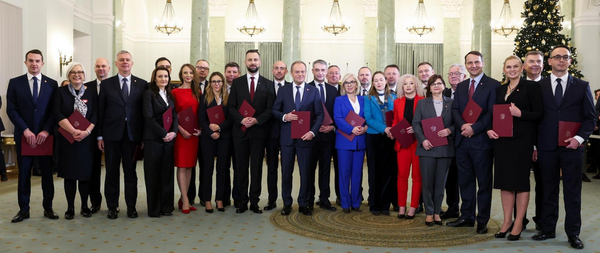
The model reflects past moves in Hungary and Romania to centralise economic power, often justified as way to improve implementation. Poland’s approach, however, appears more technocratic, with few political figures outside the prime minister and foreign minister elevated.
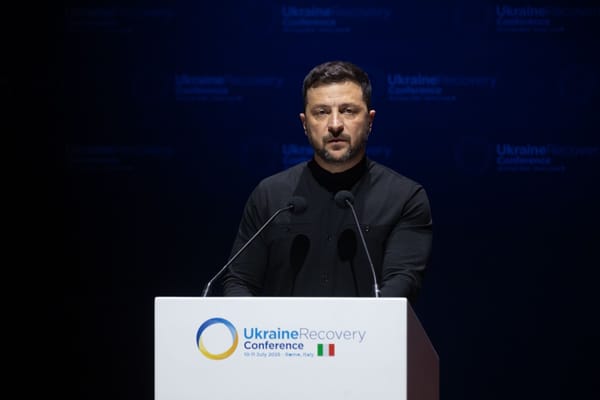
CEE contributions include cross-border logistics, public-private coordination platforms, and green recovery initiatives. Regional forums such as the Three Seas Initiative are also expected to play a larger role in financing and implementation.