Post-election deadlock in Slovenia: this is how voters did (not) decide
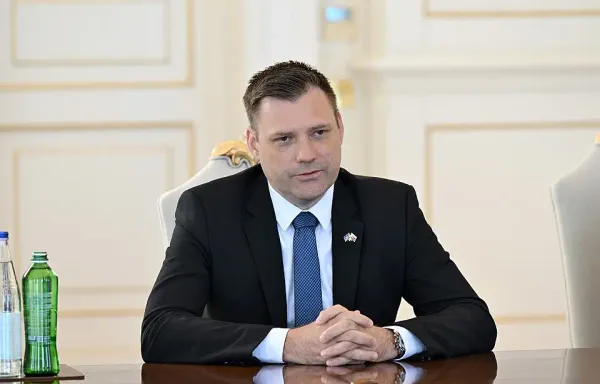
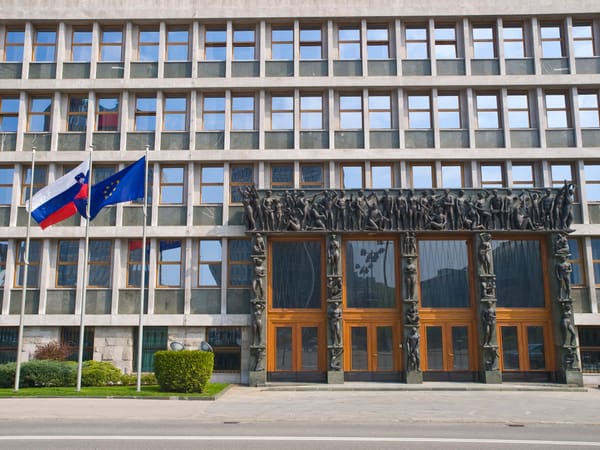
Slovenia’s domestic political uncertainty could even culminate in a new election: following the late-March vote, no political force appears to have secured a governing majority.
A collection of 99 posts
Slovenia’s domestic political uncertainty could even culminate in a new election: following the late-March vote, no political force appears to have secured a governing majority.
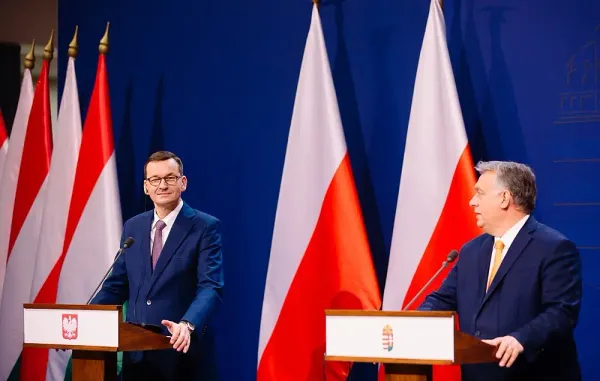
In recent weeks, significant domestic political debate has emerged in Poland over efforts by politicians from the Law and Justice party (PiS) – including Mateusz Morawiecki and Karol Nawrocki – to strengthen ties with Hungarian Prime Minister Viktor Orbán.
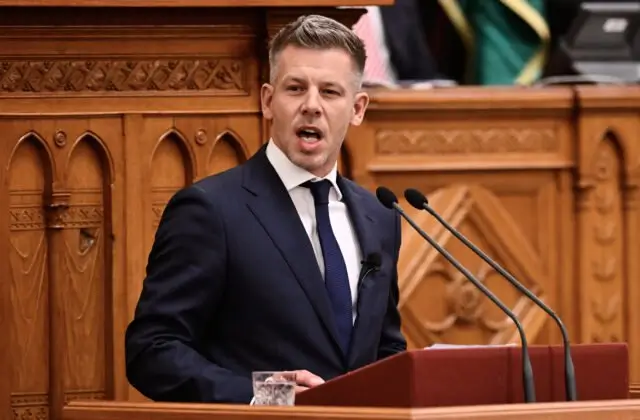
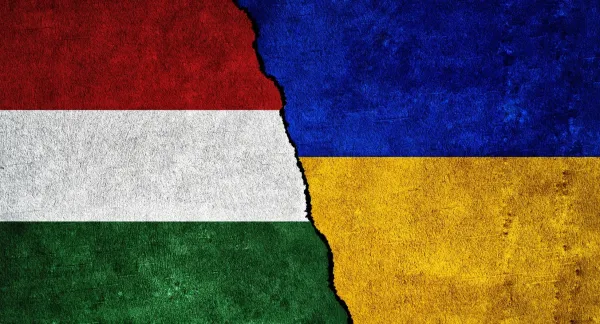
With Hungary's parliamentary elections set for 12 April 2026, the relationship between Budapest and Kyiv has deteriorated into one of the most explosive bilateral disputes in Europe.

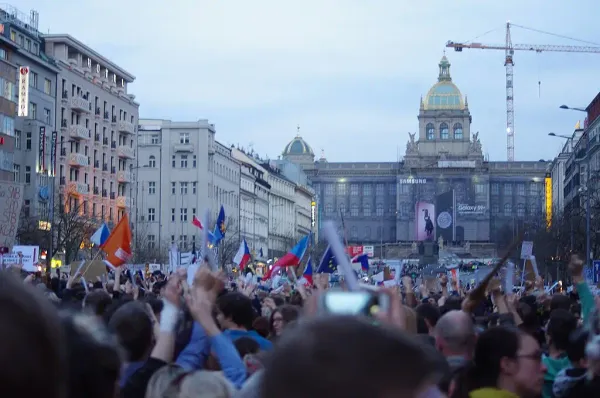
An alleged attempt to pressure President Petr Pavel over a cabinet pick has triggered one of the gravest institutional crises in years.
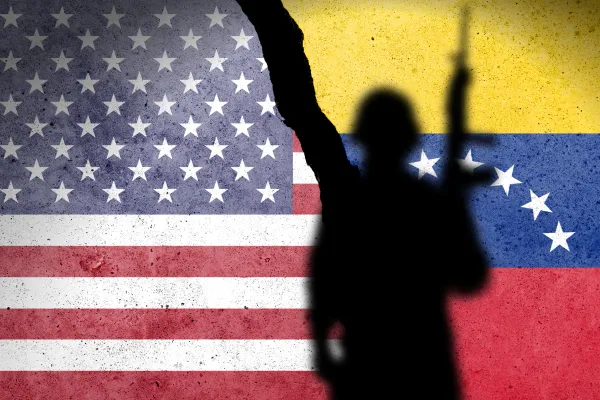
The aftermath of Trump’s Venezuela move remains unclear, but CEE states are likely to be impacted indirectly by oil prices and EU sanctions.
Can CEE develop a realistic policy response that shields the region from Europe’s structural decline?
Fidesz’s recovery stalls as a new 21 Kutatóközpont poll shows Tisza Party gaining ground ahead of Hungary’s 2026 election.
Babiš has been officially appointed the Czech Prime Minister for the third time, following his ANO party’s success in the October 2025 elections.
Zhelyazkov submitted his government's resignation minutes before the parliament was due to vote on a motion of no confidence against the cabinet.
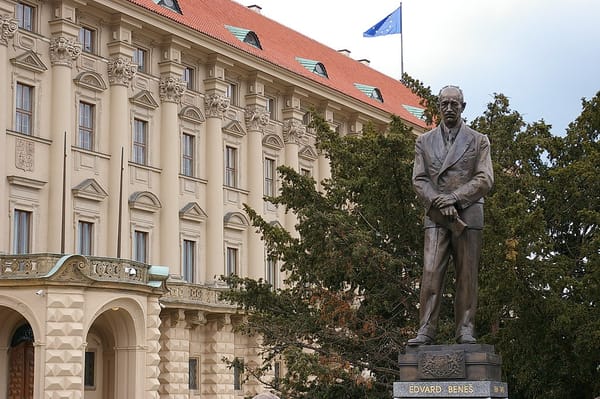
Slovakia’s debate over the Beneš decrees resurfaces grievances about postwar property rights while serving new aims in domestic political bargaining.
Support for EU membership in Poland remains high, but the share of those who would favour leaving the Union now exceeds 10 percent.
The media landscape in the V4 countries does not show a uniform picture, sending varying messages for potential investors as well.
Hungary and Slovakia have emerged as the most vocal opponents of two of the EU’s most consequential reform proposals: plans to phase out Russian energy imports and to overhaul the bloc’s long-term budget to prioritise defence, climate and digital transition. EU mulls ban of new Russian energy contracts
Hungarian Prime Minister Viktor Orban's ruling Fidesz party submitted on Tuesday, 13 May a bill that would allow the government to monitor, penalise and potentially ban organisations receiving foreign funding and categorised as threats to national sovereignty. The draft law would expand the powers of the Sovereignty Protection
Centrist Warsaw Mayor Rafal Trzaskowski narrowly won in the first round of Poland’s presidential election, setting up a closely contested runoff on 1 June. With 99.75% of votes counted, Trzaskowski, backed by Polish Prime Minister Donald Tusk’s centrist Civic Coalition (KO) secured 31.3% on 18 May