Polish-German Relations: Defence Cooperation Is Strengthening, but History Remains a Constraint
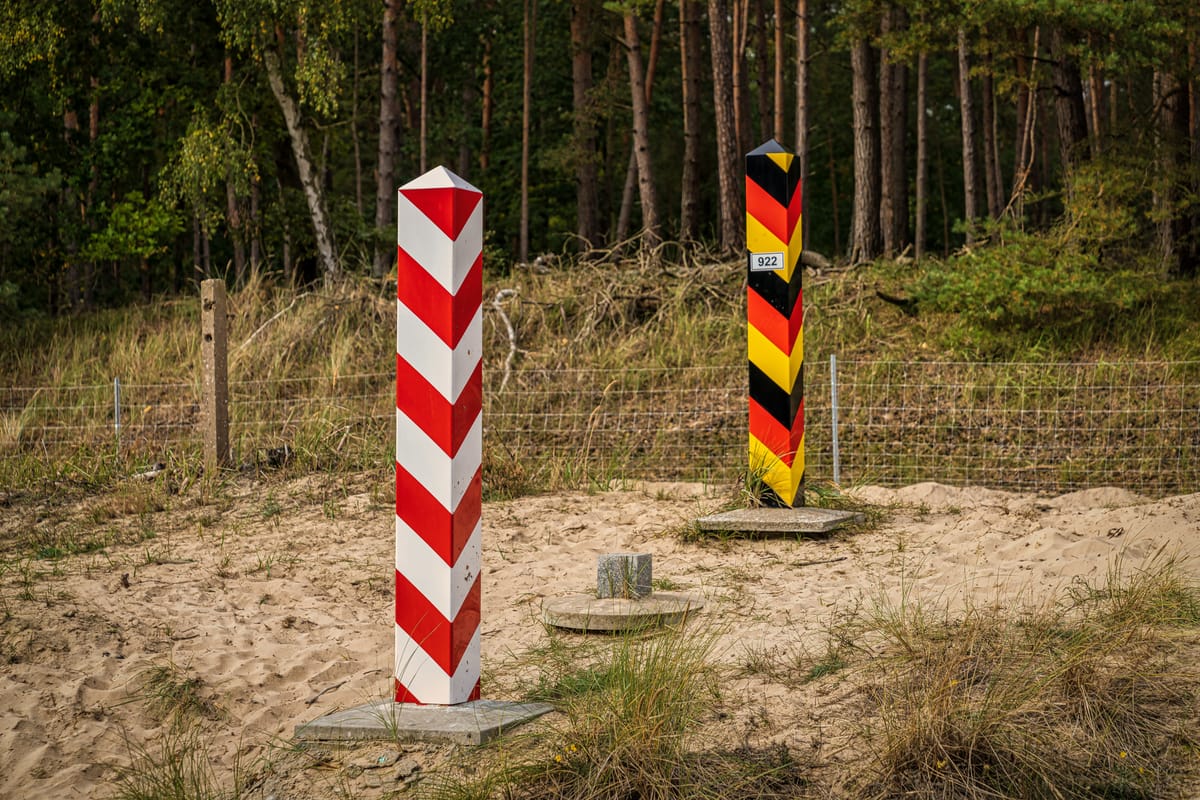
While Central Europe’s security environment has been fundamentally transformed by the Russia – Ukraine war, relations between Poland and Germany remain both a strategic necessity and a political challenge. This is clearly demonstrated by the fact that the two countries are set to sign a new defence cooperation agreement in the coming days, while there is currently no prospect of a comprehensive interstate treaty that would place bilateral relations on a new foundation.
The timing of the signing of the new Polish-German defence cooperation agreement in Warsaw is symbolic: exactly 35 years ago, on 17 June 1991, Poland and Germany signed the Treaty on Good Neighbourship and Friendly Cooperation, one of the most important documents of post-Cold War European reconciliation. The objective at the time was clear: to close the painful chapters of history caused by the Second World War and the German occupation, and to establish a stable foundation for cooperation between the two countries.
Thirty-five years later, however, history continues to shape politics.
The current agreement focuses exclusively on defence and security. This alone indicates that, for both countries, security challenges on the eastern flank have become the most important common ground.
As a result of Russian aggression against Ukraine, Poland has become one of the key actors in European security policy. Warsaw has significantly increased its defence spending in recent years, while Germany has gradually moved away from its previous, more restrained security policy approach.
From a regional perspective, Polish-German cooperation goes beyond bilateral relations. Strengthening NATO’s eastern flank, maintaining support for Ukraine, and developing Europe’s defence industry are issues where cooperation between the two countries directly affects the stability of the entire Central European region.
For the Visegrád countries and the EU’s eastern member states, it is particularly important that Berlin and Warsaw are able to develop a common position on strategic issues.
According to analyses published in the Polish media, the reason for the lack of a broader agreement is not primarily the current political situation, but rather unresolved issues from the past.
In Poland, demands concerning German wartime reparations, stronger recognition of Polish victims, and the restitution of cultural property taken during the war continue to enjoy significant public support.
While Berlin considers the reparations issue legally settled, many in Warsaw believe that historical reconciliation and accountability have not been fully achieved. The debate is not limited to political elites but remains present in wider public opinion as well.
This creates a challenge because any new comprehensive interstate treaty would necessarily go beyond security policy. It would include elements of economic, cultural, educational, energy and social cooperation, requiring a level of political trust that is currently not fully present.
Polish-German relations reflect one of Central Europe’s fundamental dilemmas: while countries in the region are increasingly compelled to cooperate more closely for security, economic and geopolitical reasons, historical memory continues to play an important role in politics.
This is not unique to Poland. Across the region – including Hungary, the Czech Republic and the countries of the Western Balkans – questions related to the past periodically return to contemporary political debates. The difference is that in the case of Poland and Germany, historical burdens affect one of the most important pillars of European integration.
The current situation therefore presents a dual picture. On the one hand, strategic cooperation between Warsaw and Berlin is stronger than it has been for many years. On the other hand, the legacy of the Second World War cannot yet be considered a fully closed chapter.
The defence agreement to be signed now demonstrates that the two countries are capable of cooperating in areas where their common interests are clear. At the same time, it shows that security considerations alone are not sufficient to open a new chapter in Polish-German relations.
As long as a significant part of the historical disputes remains unresolved, there is unlikely to be enough political space for a new comprehensive Polish-German treaty comparable to the Franco-Polish agreement signed in Nancy in 2025. For now, the relationship between Warsaw and Berlin remains both a cornerstone of Central European stability and one of the region’s most sensitive intersections between history and contemporary politics.