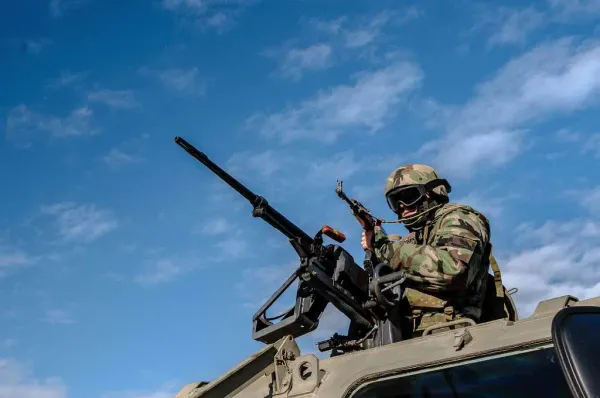
Slovakia, Czechia and Poland are all writing 2027 budgets that push against their own debt and deficit limits. Defence is the obvious culprit, but weak growth, the energy shock and rising interest bills are doing just as much damage.
Hungary is joining the Poland-led AI Gigafactory consortium that already includes Czechia and Lithuania, marking a significant upgrade from the country's previous position as one of the EU's lighter-touch "AI Factory Antenna" participants.
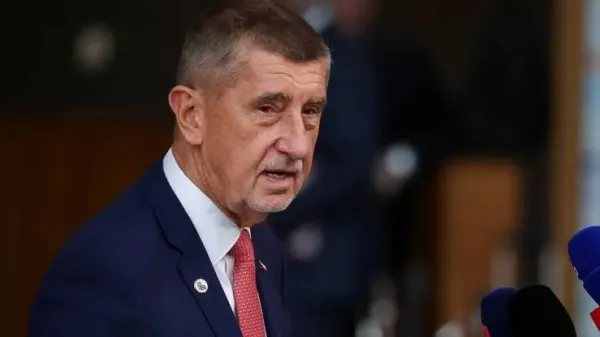
Czechia's 2026 deficit is running nearly a full percentage point above what the outgoing Fiala government projected and the single largest reason is a defence-spending trajectory that Prime Minister Babiš campaigned against but has since chosen to continue.
Ukrainian drones have struck at least 10 key Russian energy facilities this month alone, according to US news channel CNN. Attacks on 12, 17 and 21-22 August all targeted Druzhba's same pipeline’s southern leg.
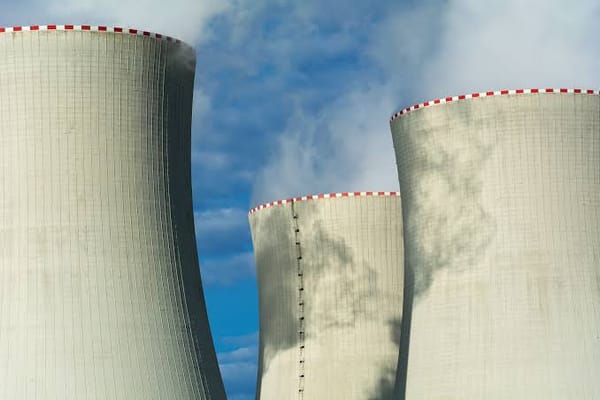
Polish Energy Minister Milosz Motyka confirmed KHNP’s withdrawal but downplayed speculation of a diplomatic rift. “KHNP’s decision does not stem from any government actions and pertains to several European countries,” Motyka posted on X on 20 August.
Like other strategic CRM efforts across Central and Eastern Europe, Chvaletice is emblematic of the policy-delivery gap haunting the bloc’s transition ambitions.
“For Europe, analysis of the historical data shows that a 1% drop in geopolitical alignment is associated with a corresponding 1% decline in trade intensity,” Deloitte observed.
Slovenia has more than doubled its public R&D spending in a decade, to nearly 0.9 % of GDP, the highest share in CEE, an Erste Bank Research report published on 6 August found.
Slovak Prime Minister Robert Fico said Ukraine would bear the cost regardless of the outcome of a planned summit between US President Donald Trump and Russian President Vladimir Putin.
Polish Prime Minister Donald Tusk warned that the duties could cost Poland more than USD 2bn and hurt agriculture and manufacturing, although he called the compromise deal a “lesser evil” to a threatened 30% tariff.
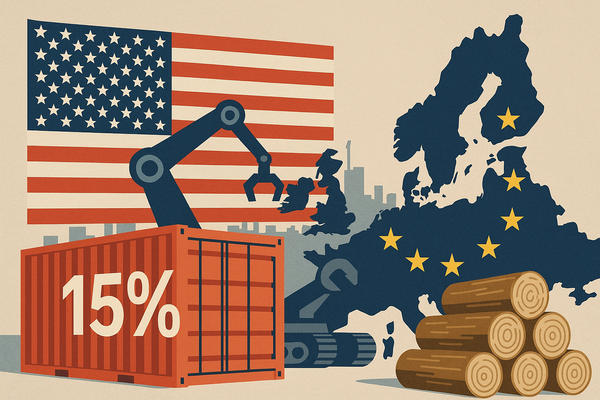
European Commission (EC) President Ursula von der Leyen agreed a new trade deal with US President Donald Trump at Turnberry, south-west Scotland, on 27 July, setting a ceiling of 15% on tariffs for EU goods and averting a wider transatlantic escalation.
Finland and Sweden abandoned their long-standing neutrality and joined NATO in 2023 and 2024 respectively, citing heightened security threats from Russia. Austria, bordered by NATO members Czechia, Slovakia, Hungary and Slovenia, is increasingly the odd one out in Central Europe’s defence landscape.