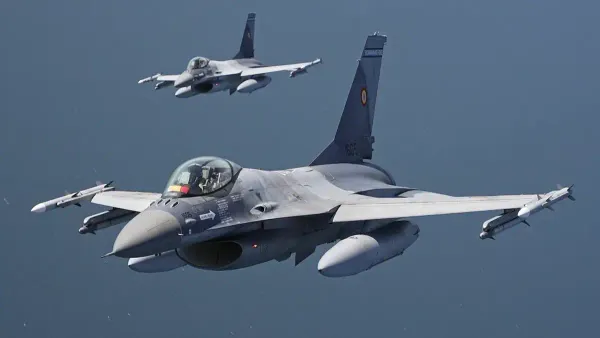
Russia is deploying increasingly sophisticated jet-powered drones in the immediate vicinity of the Ukrainian-Polish border, while a recent Polish military analysis suggests that Warsaw’s armed forces have still not fully adapted to the type of warfare that has already become commonplace in Ukraine.
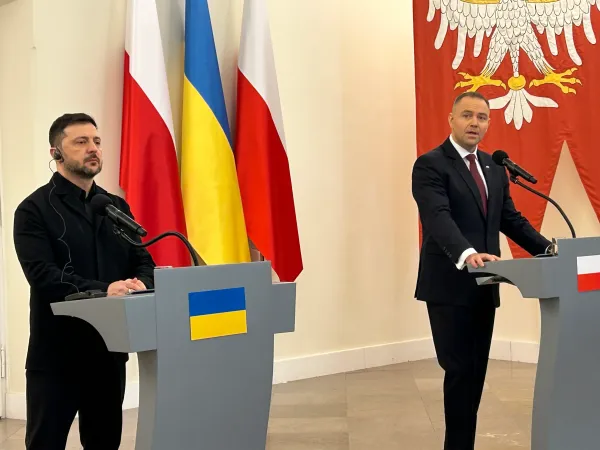
Poland's support has been one of the pillars of Ukraine's resilience since the start of the war. Now, that seemingly stable alliance has come under strain in a dispute that could have implications for broader regional cohesion and even the course of the war.
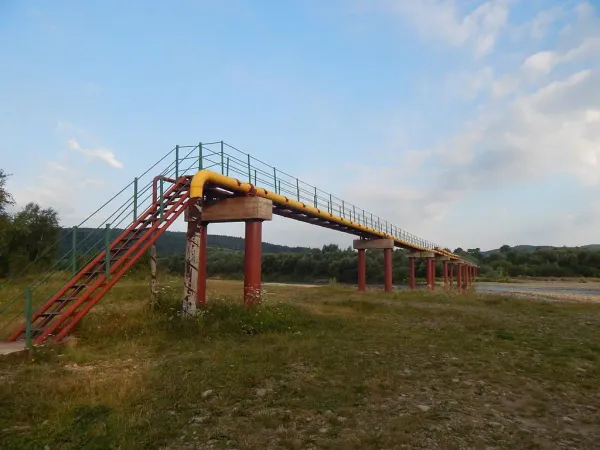
Recent developments around the Druzhba (Friendship) oil pipeline have highlighted just how vulnerable and politically entangled Central Europe’s energy supply remains.
The Czech Republic and Slovakia have agreed to invest approximately €40 million to reverse the flow of the Czech section of the Druzhba pipeline, creating an alternative crude oil supply route for Slovakia amid an ongoing energy crisis triggered by damage to the pipeline's Ukrainian stretch.
The European Union summit of March 19, 2026, clearly highlighted that the Visegrád cooperation can no longer be seen as a unified political bloc when it comes to the war in Ukraine.
A Russian drone strike on Ukraine's Druzhba pipeline in January 2026 has triggered a diplomatic crisis between Kyiv, Budapest and Bratislava - but the real damage runs deeper. The dispute has forced into the open a question: whether the EU can remain industrially competitive while paying two to three
With Hungary's parliamentary elections set for 12 April 2026, the relationship between Budapest and Kyiv has deteriorated into one of the most explosive bilateral disputes in Europe.