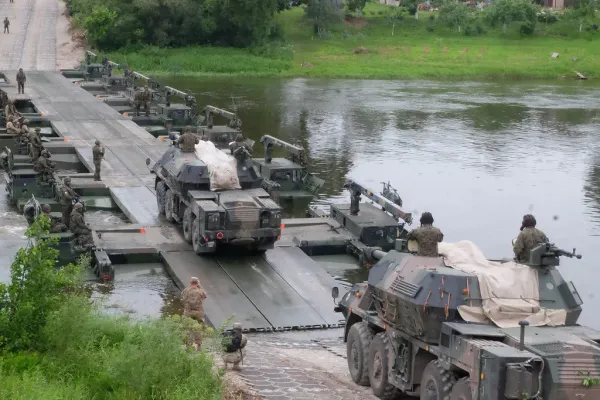
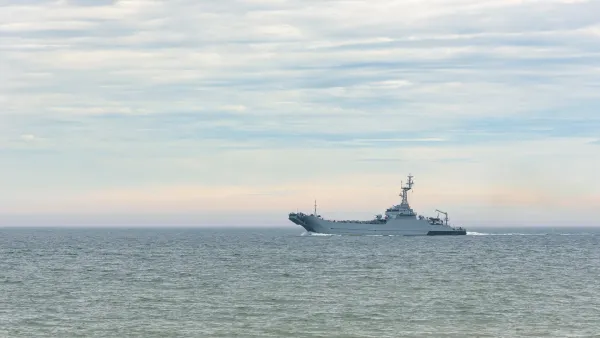
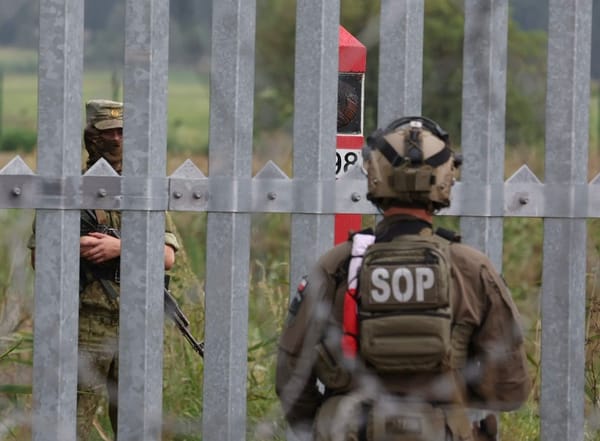
In an analysis published on September 28, Marcin Wyrwał, a journalist with Onet, raised a question that at first glance concerns Poland’s military commitments but in fact touches on the credibility of NATO’s entire eastern flank
Hungary is joining the Poland-led AI Gigafactory consortium that already includes Czechia and Lithuania, marking a significant upgrade from the country's previous position as one of the EU's lighter-touch "AI Factory Antenna" participants.
Von der Leyen's visits to frontline NATO states aims to deliver a message of solidarity while boosting Europe’s defence capacity, promoting joint procurement and galvanising industrial support through the EU’s SAFE mechanism.
Lithuanian President Gitanas Nauseda described Ruginiene as “a constructive negotiator who seeks compromise”, adding that foreign policy continuity, especially support for Ukraine, would be maintained. Nauseda signed a decree on 27 August formally appointing her.
The alliance’s biggest spenders are all on the Eastern flank and neighbouring Russia, with Poland leading the pack (4.48%) ahead of Lithuania (4.0%), Latvia (3.73%), and Estonia (3.38%). The US is sixth at 3.22% of GDP.
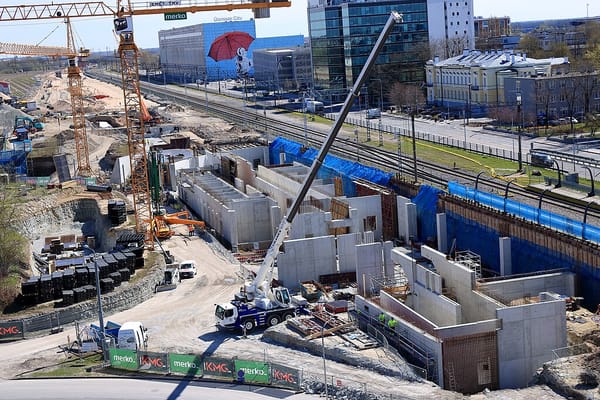
RB is the largest infrastructure project in the Baltics since independence, designed to connect Tallinn, north Estonia, Riga, north Latvia, and Vilnius, south-east Lithuania, to the European standard-gauge network. The railway has also been described as a NATO corridor.
Slovak Prime Minister Robert Fico said Ukraine would bear the cost regardless of the outcome of a planned summit between US President Donald Trump and Russian President Vladimir Putin.
Brussels‑based think tank Bruegel estimates that the average US tariff on EU goods will rise to 15.2%. Although that average masks significant differences - it underscores the new baseline confronting Baltic exporters.
Latvia lags its Baltic peers on investment intensity and credit availability, according to the Organisation for Economic Co-operation and Development (OECD).
The EC is expected to present the proposal formally as part of its mid-term budget review later this year. The plan must be approved unanimously by all 27 member states and endorsed by the European Parliament. Opposition is expected from net contributor countries and regions facing cuts.
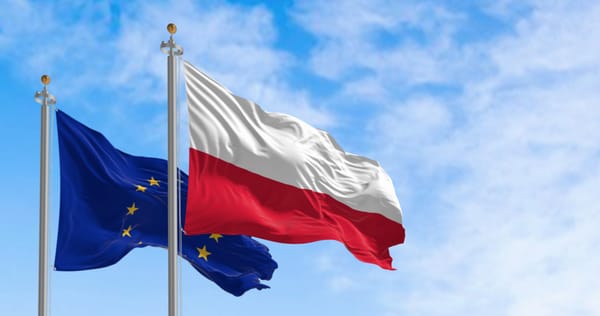
The European Commission (EC) published long-term budget allocation plans on 17 July, showing Poland set to receive the highest national allocation under the 2028-34 Multiannual Financial Framework (MFF), totalling EUR 123.3bn.
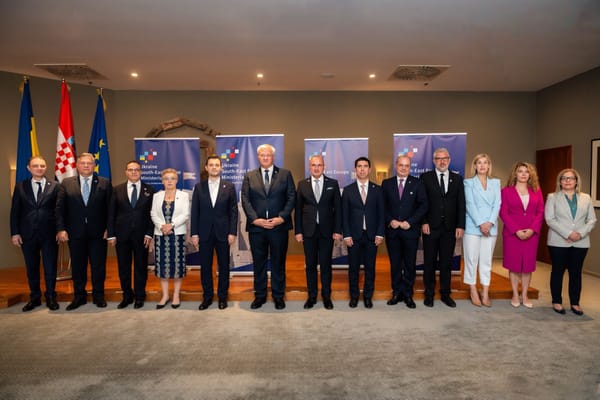
Serbia and Bulgaria did not sign the Dubrovnik declaration. Serbian President Aleksandar Vucic has maintained a policy of strategic ambiguity regarding NATO, while Bulgarian President Rumen Radev has voiced concerns about deepening military support for Ukraine.
Key deliverables included the Strategic Technologies for Europe Platform (STEP), East Shield funding eligibility, three rounds of Russia sanctions and progress on Montenegro's EU accession.
EC President Ursula von der Leyen said: "Russia has repeatedly attempted to blackmail us by weaponising its energy supplies. We have taken clear steps to turn off the tap and end the era of Russian fossil fuels in Europe for good."