Friendship Restored (?): Russian Oil Flows Resume
Recent developments around the Druzhba (Friendship) oil pipeline have highlighted just how vulnerable and politically entangled Central Europe’s energy supply remains.

A collection of 9 posts
Recent developments around the Druzhba (Friendship) oil pipeline have highlighted just how vulnerable and politically entangled Central Europe’s energy supply remains.
As Hormuz closes and Druzhba stays shut, the four Visegrád countries face the same vulnerability from opposite directions.
The Czech Republic and Slovakia have agreed to invest approximately €40 million to reverse the flow of the Czech section of the Druzhba pipeline, creating an alternative crude oil supply route for Slovakia amid an ongoing energy crisis triggered by damage to the pipeline's Ukrainian stretch.
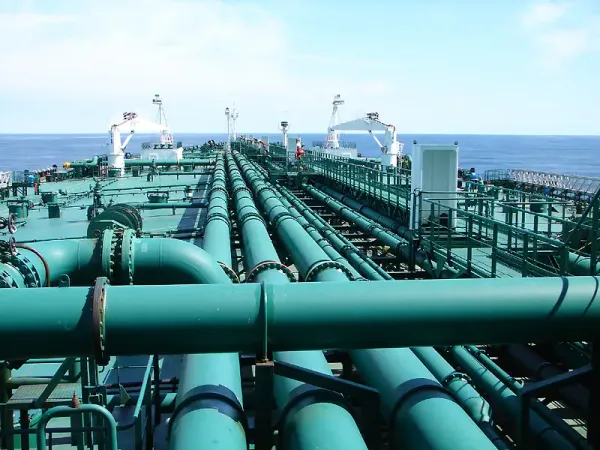
In Poland there are no signs of fuel panic or dramatic price hikes. The key to this apparent mystery lies in successful diversification.
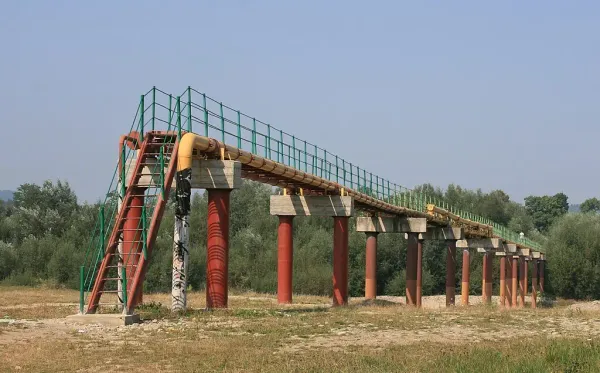
A closer look at the economic realities behind a potential switch from Druzhba to Adria — and whether it truly makes financial sense.

Serbia failed to remove Russian capital from NIS despite extensions; leaving its refinery unlicensed and oil reserves secure only until year-end.
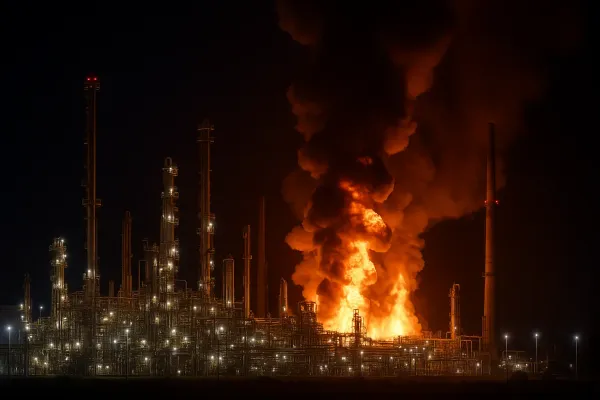
A fire broke out last Monday night at MOL Group’s Danube Refinery in Százhalombatta, damaging one of the largest of its three distillation towers. The incident can have significant impact on regional oil supply and prices.
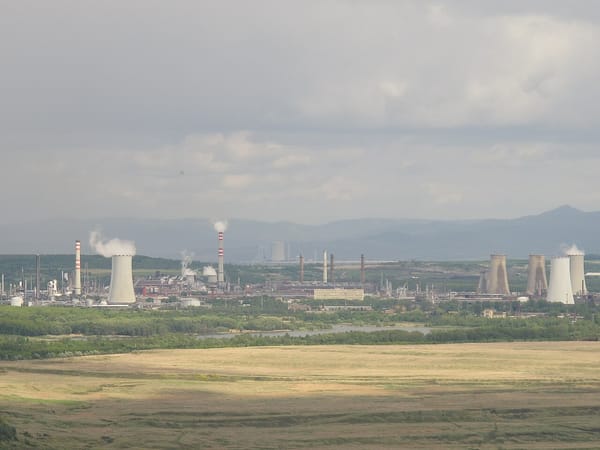
EC President Ursula von der Leyen said: "Russia has repeatedly attempted to blackmail us by weaponising its energy supplies. We have taken clear steps to turn off the tap and end the era of Russian fossil fuels in Europe for good."
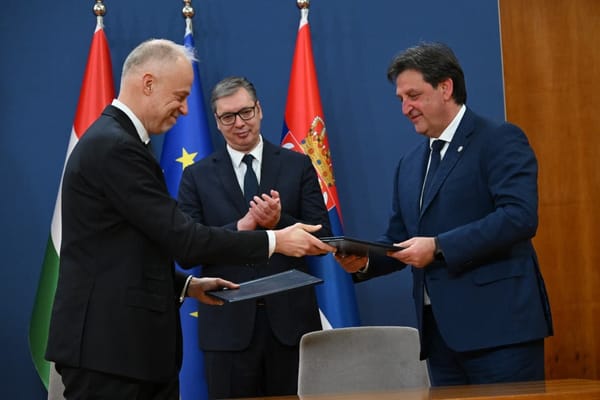
When Croatia, Albania and Kosovo recently formed a new military alliance, Serbia and Hungary followed suit, reshaping the security situation in South East Europe. Serbian Defence Minister Bratislav Gasic and Hungarian Defence Minister Kristof Szalay-Bobrovniczky earlier this month signed a bilateral military cooperation agreement in the Serbian capital of