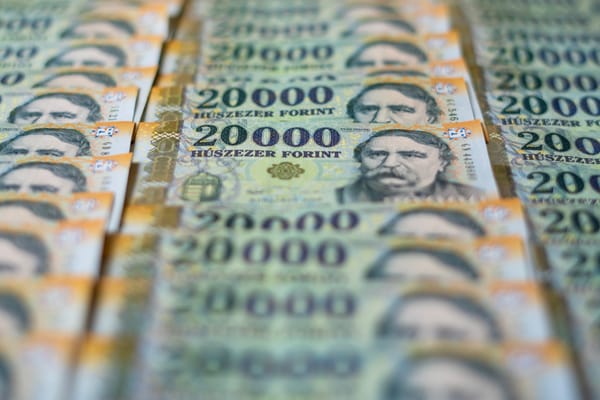
The Great Tax Overhaul of Hungary
This Monday, Hungarian Prime Minister Péter Magyar made significant announcements on 6th October via video message regarding Hungary’s tax system.

A collection of 34 posts
This Monday, Hungarian Prime Minister Péter Magyar made significant announcements on 6th October via video message regarding Hungary’s tax system.
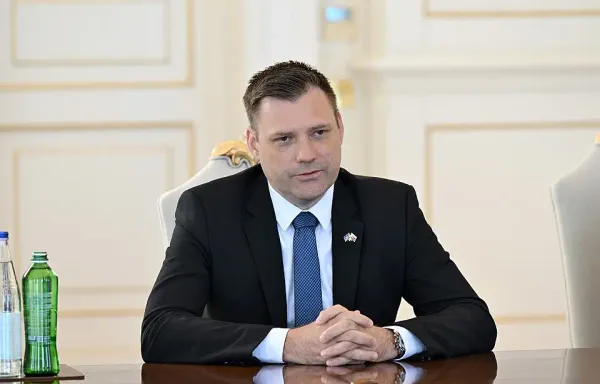
Slovakia’s governing coalition faces renewed uncertainty after seven MPs from the junior coalition SNS joined the opposition to oust Environment Minister Tomáš Taraba.
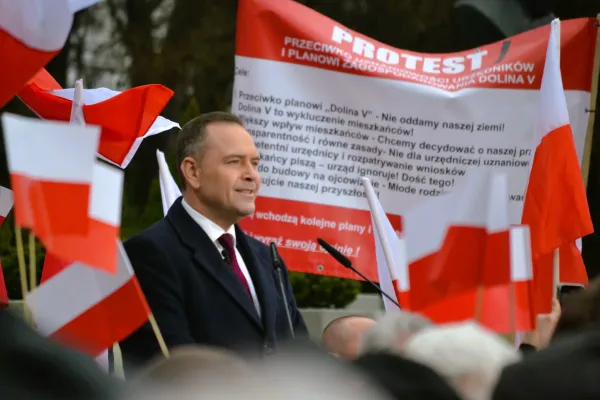
For a long time, Polish politics was shaped by competition between two blocs of roughly similar size: the centre and the far right. The next parliamentary election, however, is likely to be different, as the political formation to the right of the centre is becoming increasingly fragmented.
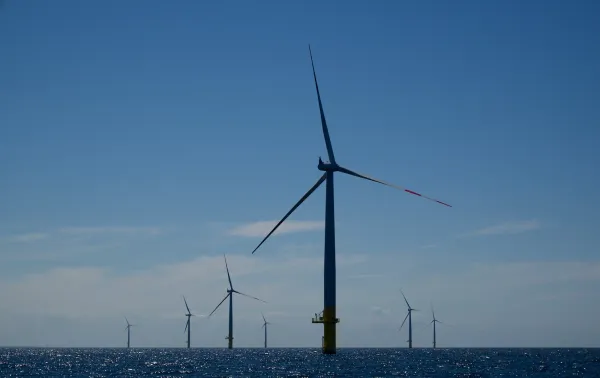
On July 10, a new chapter began in Poland’s history: for the first time, electricity generated by an offshore wind farm entered the country’s national power grid.
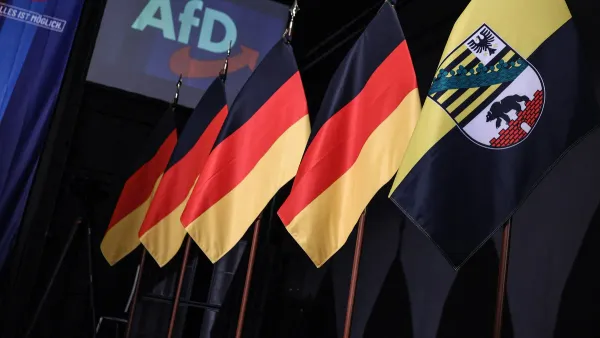
The reaction in the Visegrád countries to the Alternative for Germany (AfD) victory in Sunday’s Saxony-Anhalt state election was far from uniform.
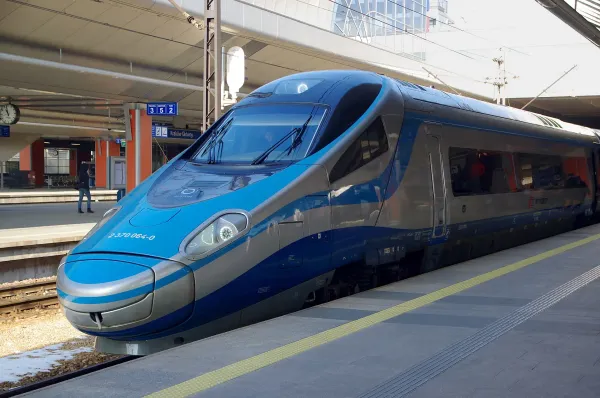
Polish media report that travel time between Warsaw and Kraków could fall to less than two hours.
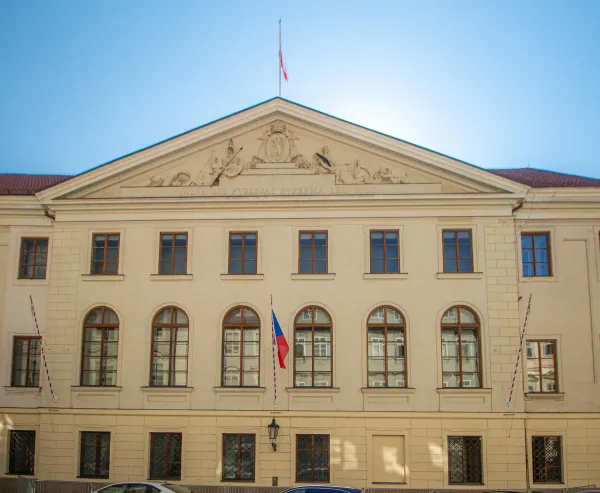
The Czech Chamber of Deputies overrode President Petr Pavel's veto of a fiscal-rules omnibus bill clearing the way for a law that lets the government exceed budget ceilings on defence and infrastructure spending through 2036, a move the opposition says it will challenge at the Constitutional Court.
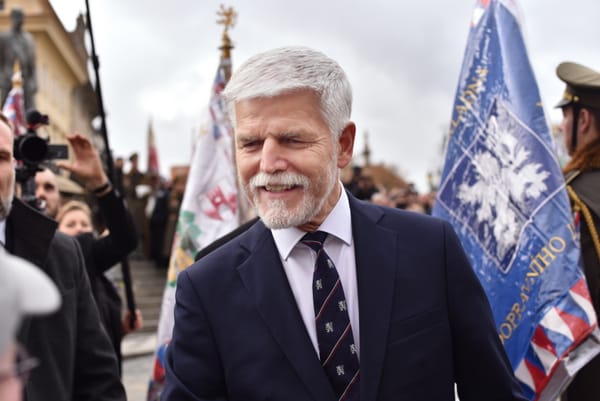
The Czech Chamber is due to vote on overriding the President's veto of a fiscal-rules bill on 25 August. Not just defence spending is at stake, but the next presidential election, where the President is increasingly viewed by the Czech public as the head of the opposition.
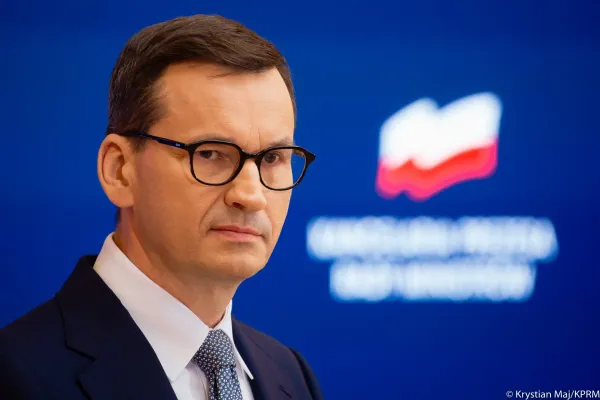
For a long time, it seemed that the return to power of Poland’s illiberal right – allied with Orbán and highly effective at blocking Donald Tusk’s government – was merely a matter of time. But those plans could now be derailed by an emerging split within the party.
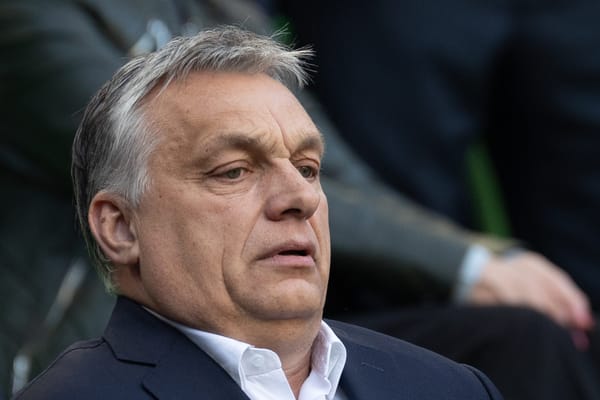
Is Hungary now facing the same political turmoil that has characterized Poland for years? According to the Polish press, not necessarily.
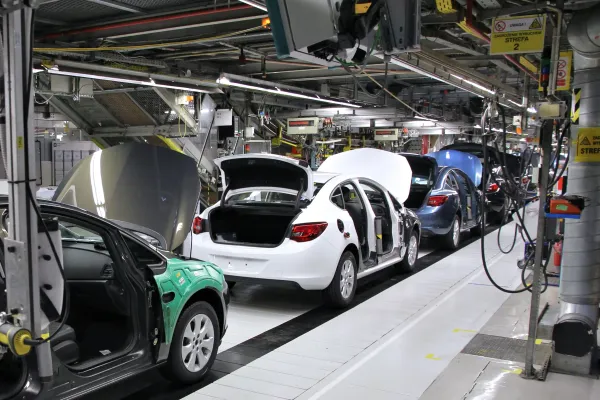
Poland, often described as the “success story” of the European economy, is sending mixed signals. There is no immediate crisis, but the country’s industrial sector is showing weaker figures than before, raising the possibility of stagnation or even a decline.
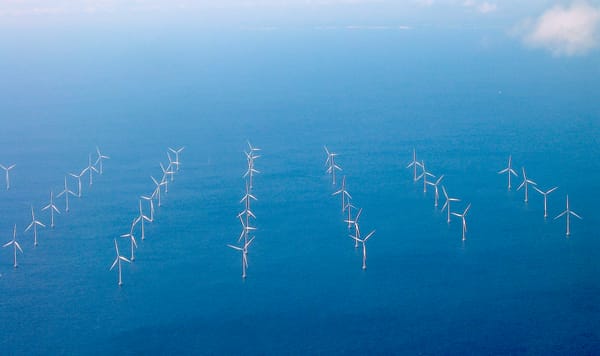
Last week, what may have appeared at first glance to be a purely technical milestone marked the beginning of a new chapter in Poland's energy transition.
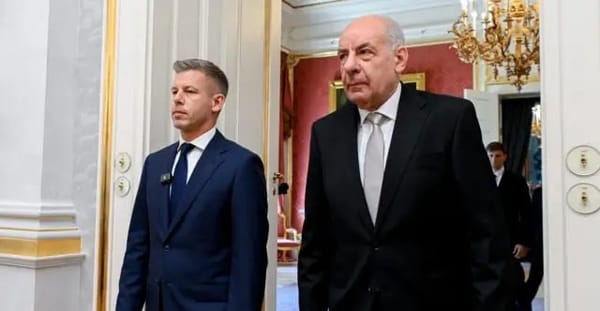
Czech President Petr Pavel was nearly excluded from the NATO summit in Ankara. His government tried to keep him off the official delegation list, a sign of an unabated tension between castle and government.
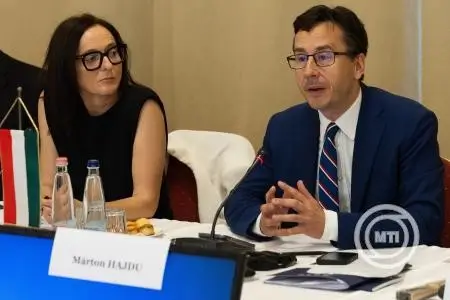
The next big debate on the future of the European Union has already begun—not over enlargement, migration or defence, but over the EU's next long-term budget.
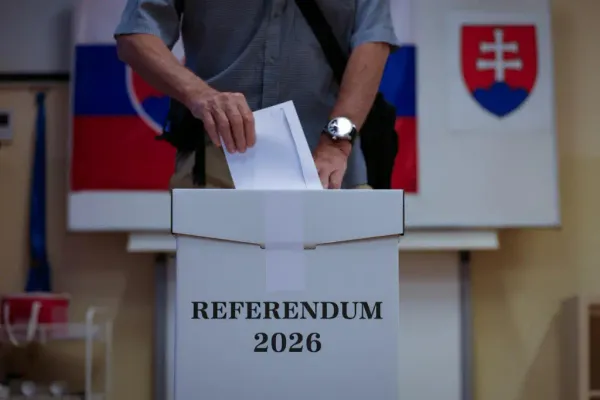
A failed Slovak referendum on Prime Minister Robert Fico's lifetime pension has exposed a pattern playing out well beyond Slovakia: across Europe, benefits for former heads of state are becoming political ammunition precisely where societies and elites are most deeply divided.