Polish Economy: Slowdown or a Change of Economic Model?
Poland, often described as the “success story” of the European economy, is sending mixed signals. There is no immediate crisis, but the country’s industrial sector is showing weaker figures than before, raising the possibility of stagnation or even a decline.
For many years, Poland was considered one of Central Europe’s greatest economic success stories. The expression “Poland as the example to follow” was based on real achievements: the country delivered strong economic growth, attracted significant foreign direct investment, built substantial industrial capacity, and became one of the European Union’s most important manufacturing hubs. While several countries in the region struggled with slowing convergence, Poland was able to continuously expand its industrial output and exports for decades.
The latest data, however, suggest that the Polish economic model has entered a new phase. This does not mean that Polish industry has lost its competitiveness; rather, the growth formula that worked so well in the past is gradually changing. According to data from Poland’s Central Statistical Office (GUS), in 2025 Polish factories, plants, mines and workshops produced goods worth approximately PLN 1,704 billion, essentially the same level as in the previous year. Around 98% of production consisted of manufactured goods, while the remaining share was mainly related to mineral resources, particularly coal.
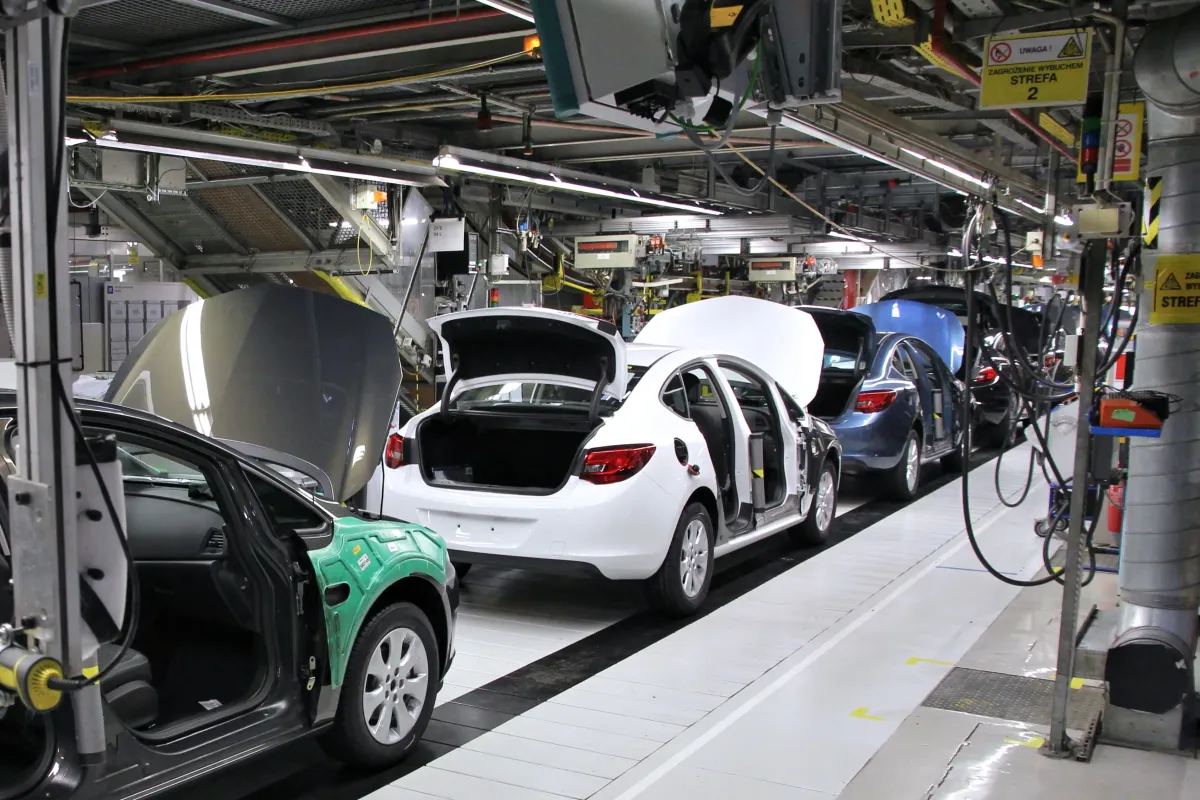
Behind these figures, however, a significant structural transformation is taking place. The largest industrial sector in Poland by production value remains the food industry, which accounted for around one-fifth of total industrial output in 2025. It was followed by the automotive sector, rubber and plastics manufacturing, and electrical equipment production. Poland’s economy therefore remains strongly industrial, but the balance between sectors is shifting. According to data published by GUS, the value of food production reached approximately PLN 352 billion, while the production of motor vehicles, trailers and semi-trailers amounted to around PLN 196 billion.
The most interesting development is that, while Poland remains a strong industrial country, several traditional manufacturing areas are gradually losing importance. Production volumes have declined in household appliances, certain consumer goods, footwear, tractors and coal mining. These sectors are partly linked to Poland’s former industrial legacy and are now exposed to intense global cost competition. Polish industry is therefore not simply shrinking; it is being reshaped. Some traditional sectors are losing ground, while newer, higher value-added industries are gaining importance.
One of the key drivers of this transformation is the intensification of global competition. Polish companies are increasingly facing competition from China and Turkey, while their previous cost advantage is gradually diminishing. One of Poland’s greatest strengths for many years was its ability to provide high-quality manufacturing at a lower cost level than Western Europe. However, this model is now under growing pressure due to rising wages, higher energy costs and changes in the regulatory environment.
According to analyses by Grant Thornton Poland, rising labour costs, energy prices and economic uncertainty have become increasingly important factors affecting corporate competitiveness.
This process is closely linked to Europe’s ESG agenda and climate policy developments. For energy-intensive industries, emissions reduction requirements and the European Emissions Trading System (ETS) are becoming increasingly significant cost factors. The key question is no longer whether the green transition is necessary, but rather how European industry can implement this transformation while maintaining global competitiveness.
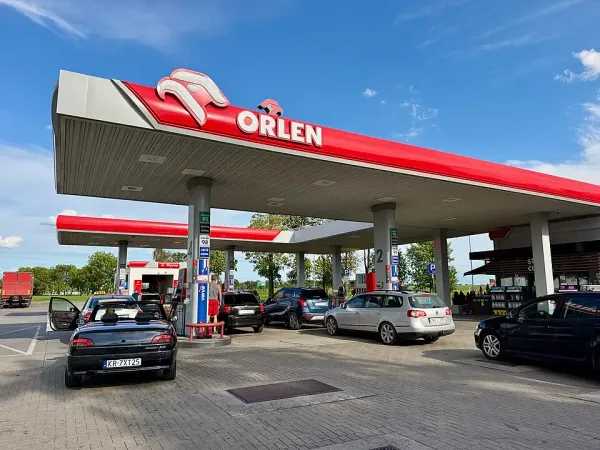
For Poland, the most important economic challenge of the next decade will be whether it can move from being a lower-cost manufacturing base towards becoming a higher value-added industrial centre. There are already positive signs. The country has become one of Europe’s important tyre manufacturing hubs, with global companies such as Michelin, Bridgestone and Continental operating significant production facilities there. At the same time, electronics, machinery manufacturing, digital industries and defence technologies could become increasingly important areas of growth.
The Polish government is placing growing emphasis on technological development, particularly on strengthening digital capabilities and building capacity related to the semiconductor industry.
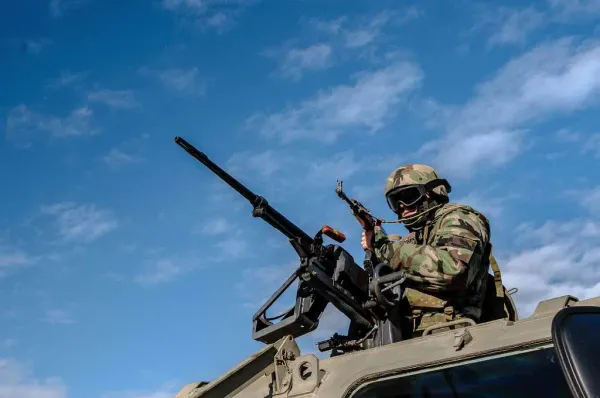
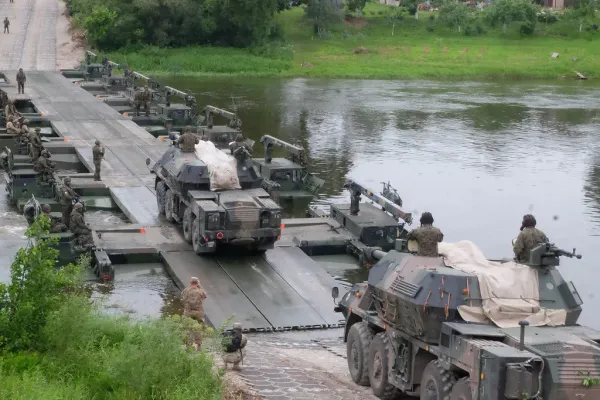
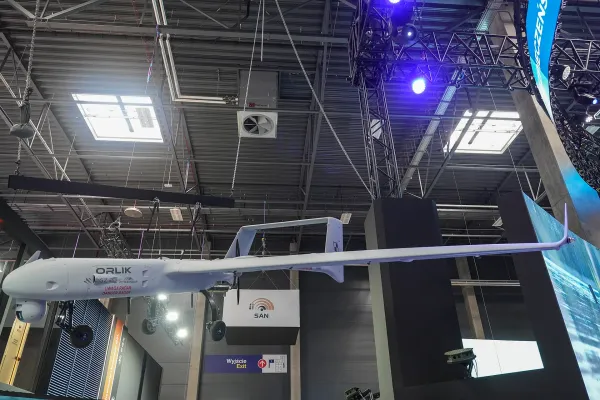
The defence sector may also represent a new opportunity. Changes in Europe’s security environment, the war in Ukraine and rising defence spending among NATO members have increased the importance of technologies in which Poland has significant development potential: drones, sensors, communication systems and specialised electronic solutions.
The story of “Poland as the example to follow” is therefore not over, but it has reached a new turning point. The previous success model was based on convergence: a competitive labour force, foreign investment and strong export links. The next phase, however, will depend on whether Poland can maintain its position through innovation, technology and higher value-added production.