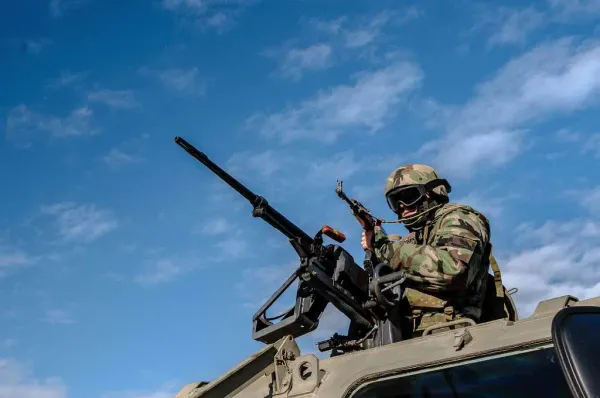
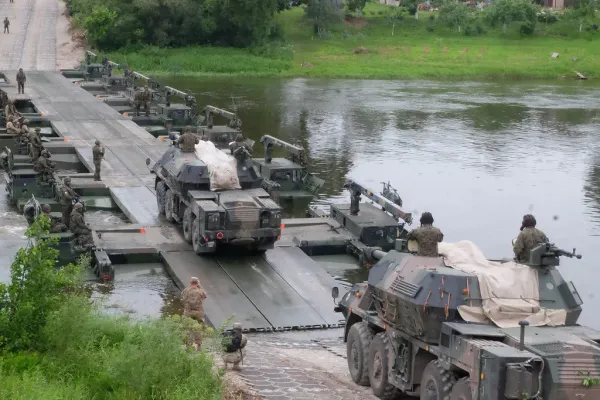
Slovakia, Czechia and Poland are all writing 2027 budgets that push against their own debt and deficit limits. Defence is the obvious culprit, but weak growth, the energy shock and rising interest bills are doing just as much damage.
In an analysis published on September 28, Marcin Wyrwał, a journalist with Onet, raised a question that at first glance concerns Poland’s military commitments but in fact touches on the credibility of NATO’s entire eastern flank
Slovakia’s governing coalition faces renewed uncertainty after seven MPs from the junior coalition SNS joined the opposition to oust Environment Minister Tomáš Taraba.
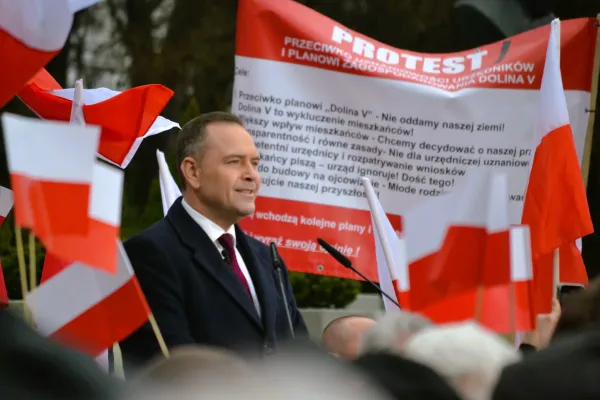
For a long time, Polish politics was shaped by competition between two blocs of roughly similar size: the centre and the far right. The next parliamentary election, however, is likely to be different, as the political formation to the right of the centre is becoming increasingly fragmented.
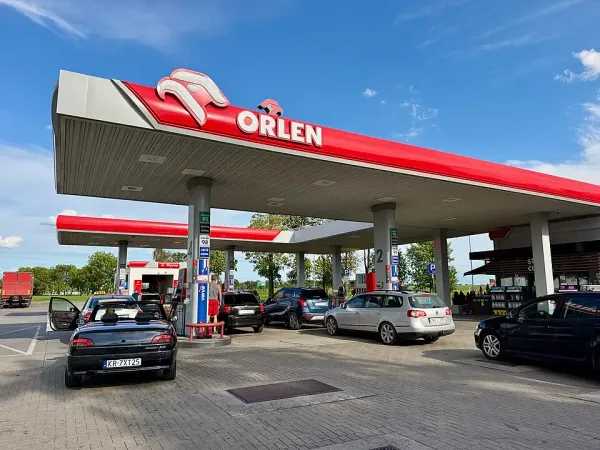
Polish motorists are seeing increasingly higher figures on petrol-station price boards, and for now there is little indication that prices will return to the much lower levels seen at the beginning of the summer anytime soon.
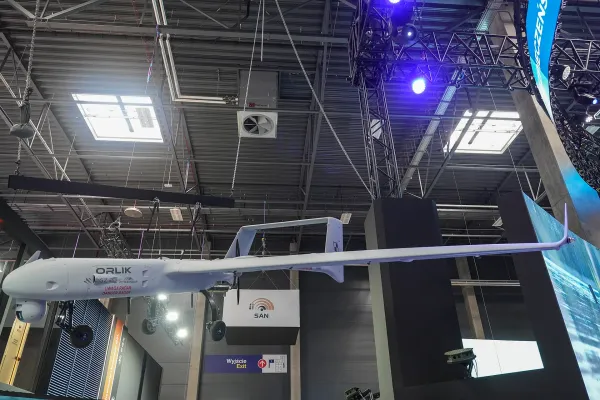
Russia is deploying increasingly sophisticated jet-powered drones in the immediate vicinity of the Ukrainian-Polish border, while a recent Polish military analysis suggests that Warsaw’s armed forces have still not fully adapted to the type of warfare that has already become commonplace in Ukraine.
The Babiš government is weighing partial privatisations of explosives maker Explosia and Letiště Praha, the operator of Václav Havel Airport, but the Prime Minister and First Deputy PM Karel Havlíček (both ANO) are advancing markedly different justifications for the sales.
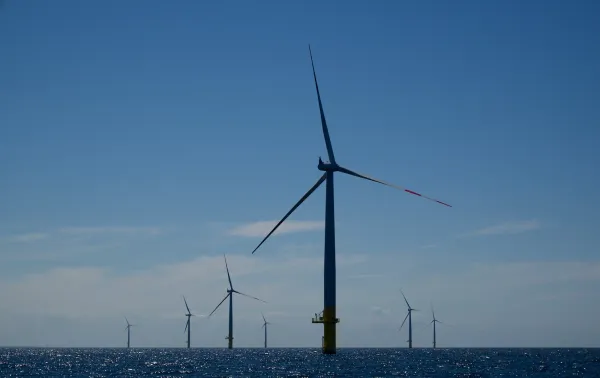
On July 10, a new chapter began in Poland’s history: for the first time, electricity generated by an offshore wind farm entered the country’s national power grid.
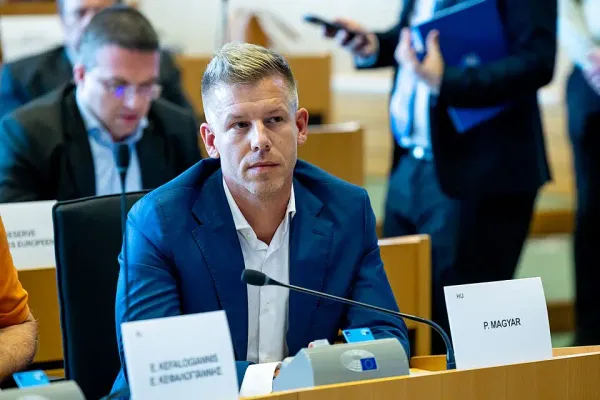
Based on the developments in Hungary over the past few days, it would be difficult to argue that relations between Hungary and the European Union are simply returning to where they were before Viktor Orbán came to power.
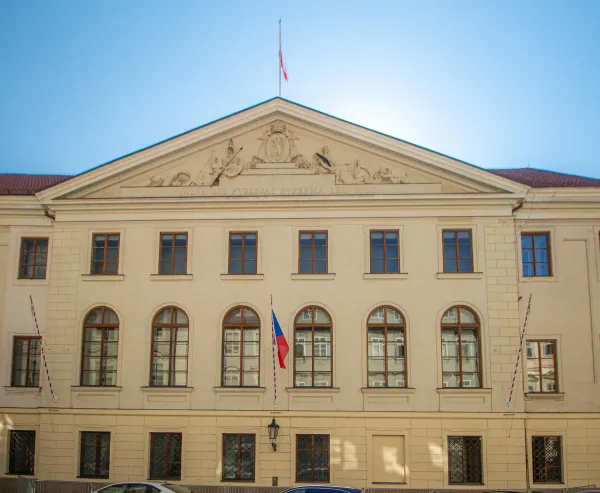
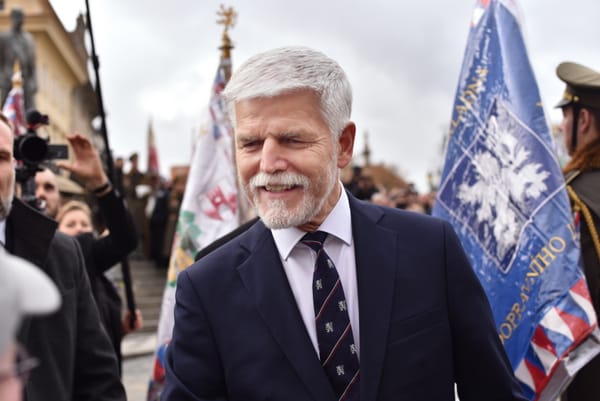
The Czech Chamber of Deputies overrode President Petr Pavel's veto of a fiscal-rules omnibus bill clearing the way for a law that lets the government exceed budget ceilings on defence and infrastructure spending through 2036, a move the opposition says it will challenge at the Constitutional Court.
The Czech Chamber is due to vote on overriding the President's veto of a fiscal-rules bill on 25 August. Not just defence spending is at stake, but the next presidential election, where the President is increasingly viewed by the Czech public as the head of the opposition.
The domestic political paralysis could have serious economic consequences: the caretaker government is running out of time ahead of the August 31 deadline set by Brussels.