
How Did the V4 React to the AfD’s Historic Victory?
The reaction in the Visegrád countries to the Alternative for Germany (AfD) victory in Sunday’s Saxony-Anhalt state election was far from uniform.

A collection of 39 posts
The reaction in the Visegrád countries to the Alternative for Germany (AfD) victory in Sunday’s Saxony-Anhalt state election was far from uniform.

The defeat of Hungary’s ruling party could trigger a domino effect across the region. Slovak media, in this context, point to a weakening of Robert Fico’s position.
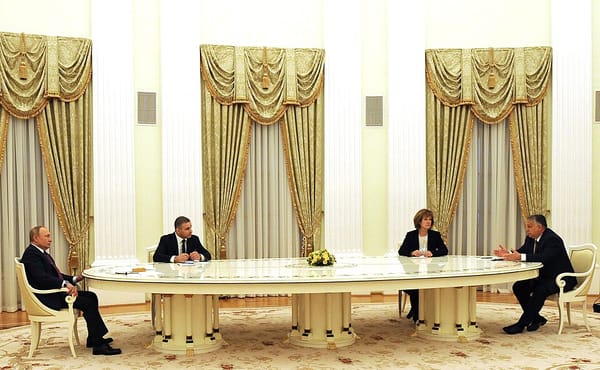
Moscow must also rethink its regional position after Fidesz’s defeat. Russia has lost its most stable ally in the region, while still needing partner(s) within the EU.

The Hungarian election results generated significant reverberations across the region. The reactions simultaneously reflected a sense of geopolitical realignment and each country's own domestic political considerations.

Opinion polls are divergent, but results from government-independent research institutes suggest the possible defeat of the Orbán government in Hungary.

With Hungary's parliamentary elections set for 12 April 2026, the relationship between Budapest and Kyiv has deteriorated into one of the most explosive bilateral disputes in Europe.

Following the U.S. Secretary of State’s partial regional tour, at least as many questions remain as the trip itself answered

While Hungary expressed enthusiastic support, several major European powers rejected Trump’s latest initiative, the so-called Board of Peace.
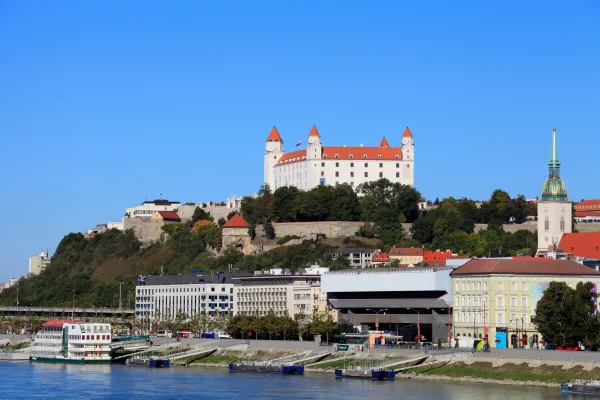
Slovakia’s new criminal code triggered a constitutional challenge by the country’s Prosecutor General and ignited controversy at home and abroad.

While Hungary and Slovakia welcomed the diplomatic efforts, fellow Visegrad Four members Poland and Czechia joined the Baltic states in rejecting any settlement that bypasses Ukrainian sovereignty.

If the EU decides to approach Moldova separately, it would depart from recent EU practice of advancing Moldova, Ukraine and Georgia as a group under the "Association Trio" framework.
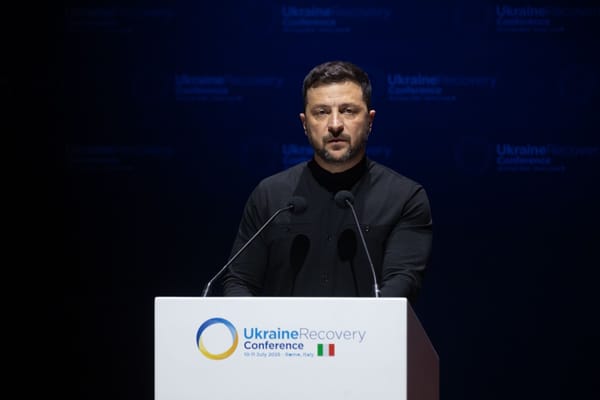
CEE contributions include cross-border logistics, public-private coordination platforms, and green recovery initiatives. Regional forums such as the Three Seas Initiative are also expected to play a larger role in financing and implementation.

The withdrawal will take legal effect on 2 June 2026, making Hungary the first EU member state to exit the Rome Statute, which underpins the ICC’s jurisdiction to prosecute war crimes, crimes against humanity, and genocide.

Hungary has now fallen to the lowest position in the EU for actual individual consumption (AIC), despite its starting position ahead of several regional peers two decades ago.

Hungarian Prime Minister Viktor Orban's ruling Fidesz party submitted on Tuesday, 13 May a bill that would allow the government to monitor, penalise and potentially ban organisations receiving foreign funding and categorised as threats to national sovereignty. The draft law would expand the powers of the Sovereignty Protection