Poland Enters the Offshore Wind Era - diversification or a Paradigm Shift?
Last week, what may have appeared at first glance to be a purely technical milestone marked the beginning of a new chapter in Poland's energy transition. For the first time, electricity generated by the country's first offshore wind farm, the Baltic Power project, was fed into the Polish national electricity grid. Although the project is still in its commissioning phase, the industry considers this moment – known as "first power" – a major milestone, as it marks the first successful delivery of electricity from the facility to the power system.
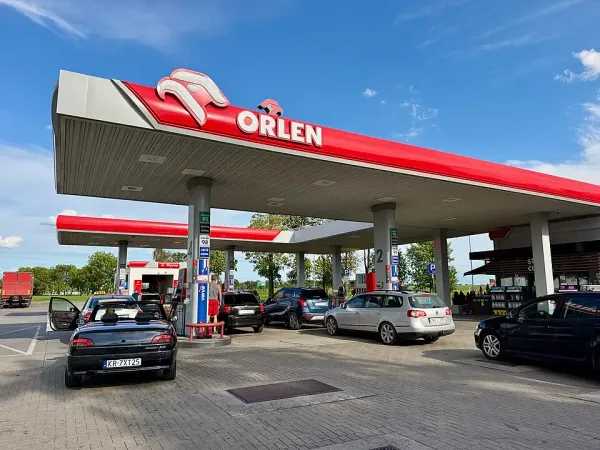
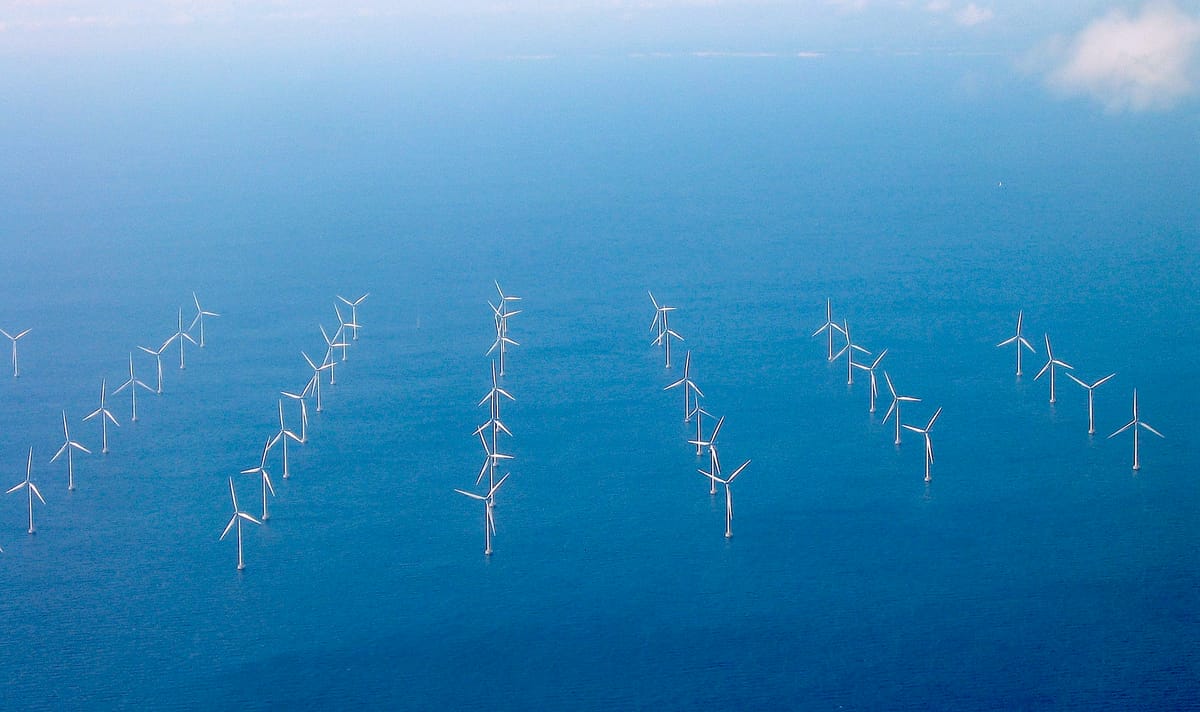
The new project is being developed by Poland's ORLEN and Canada's Northland Power: consisting of 76 wind turbines with a total installed capacity of 1,140 MW, the offshore wind farm is expected to enter full commercial operation in the second half of 2026. According to Reuters, Baltic Power is the first of approximately 6 GW of offshore wind capacity that Poland plans to develop along its Baltic coastline by 2030.
The significance of this development extends far beyond the commissioning of a single power plant. It signals that Poland's energy policy has entered a fundamentally new phase.
Today, Poland still operates one of Europe's most coal-dependent electricity systems. For decades, domestic hard coal and lignite have provided the foundation of the country's electricity generation, ensuring energy security, supporting employment and contributing to national energy independence. However, this model has come under increasing economic pressure. The European Union's Emissions Trading System (EU ETS) has significantly increased the cost of coal-fired power generation, while renewable energy technologies have become increasingly competitive. At the same time, Russia's invasion of Ukraine has fundamentally reshaped Europe's understanding of energy security.
Against this backdrop, Poland is pursuing three strategic objectives simultaneously: gradually reducing the role of coal, building a competitive offshore wind industry and commissioning its first nuclear power plants during the next decade. Baltic Power represents the first tangible result of this transformation.
The growing importance of offshore wind in Europe is no coincidence. The Baltic Sea offers highly favourable wind conditions, while offshore locations allow for significantly larger and more powerful turbines than those installed on land. Offshore wind farms also typically achieve higher capacity factors than onshore installations, meaning they generate more electricity from the same installed capacity.
Baltic Power is expected to generate approximately 4 TWh of electricity annually – enough to meet the annual electricity demand of around 1.5 million households. While this alone will not fundamentally reshape Poland's electricity system, it clearly demonstrates the country's long-term strategic direction.
The project's economic significance is equally important. Offshore wind is not merely another source of renewable electricity – it creates an entirely new industrial ecosystem. It requires dedicated port infrastructure, specialised installation vessels, steel structures, subsea cables, offshore substations, maintenance bases and a highly skilled engineering workforce. Countries that establish themselves early in this sector have an opportunity to secure long-term positions within Europe's rapidly expanding offshore wind supply chain.
From a regional perspective, Baltic Power forms part of an even larger transformation. Over the past decade, the Baltic Sea has gradually emerged as Europe's second major offshore wind basin after the North Sea. Denmark, Germany, Sweden and Finland have already developed substantial offshore wind capacities, and Poland has now joined this group.
Several additional large-scale Polish offshore projects – including Baltica and Bałtyk – are expected to follow over the coming years. As a result, the Baltic Sea region could become one of Europe's largest renewable electricity production hubs within the next decade.
This development also has important geopolitical implications. In recent years, the Baltic States have disconnected from the Russian electricity system and synchronised their grids with Continental Europe. At the same time, Poland has become an increasingly important energy hub linking Central and Northern Europe. The rapid expansion of offshore wind has the potential to further strengthen this role, particularly if electricity transmission infrastructure continues to develop alongside new generation capacity.
For Hungary, Baltic Power will not provide electricity directly. Nevertheless, the Central European electricity market is becoming increasingly integrated. National transmission systems are interconnected, while wholesale electricity prices are increasingly shaped by regional market dynamics. Consequently, every major new generation asset – whether nuclear, solar or offshore wind – has the potential to influence electricity markets across the wider region over the longer term.
Baltic Power also conveys a broader message about Europe's energy transition. Increasingly, the debate is no longer about choosing between competing technologies such as nuclear power, solar energy, wind power or energy storage. Rather, the challenge is determining the optimal combination of technologies that can simultaneously deliver energy security, economic competitiveness and decarbonisation.
Poland illustrates this integrated approach particularly well. While continuing to develop its nuclear energy programme and relying on coal during the transition period, the country has simultaneously launched the large-scale deployment of offshore wind. This suggests that tomorrow's energy systems will not be built around a single technology, but around complementary solutions working together to create a more resilient, diversified and sustainable energy mix.