Why Have Czech and Slovak Nuclear Power Plants Been Able to Withstand the Heat While Paks Has Run into Trouble?
In Hungary, low Danube water levels and a prolonged heatwave have created an acute energy crisis, while other countries in the region appear to have weathered the situation more easily. Part of the explanation lies in the differences between the cooling systems used by their nuclear power plants.
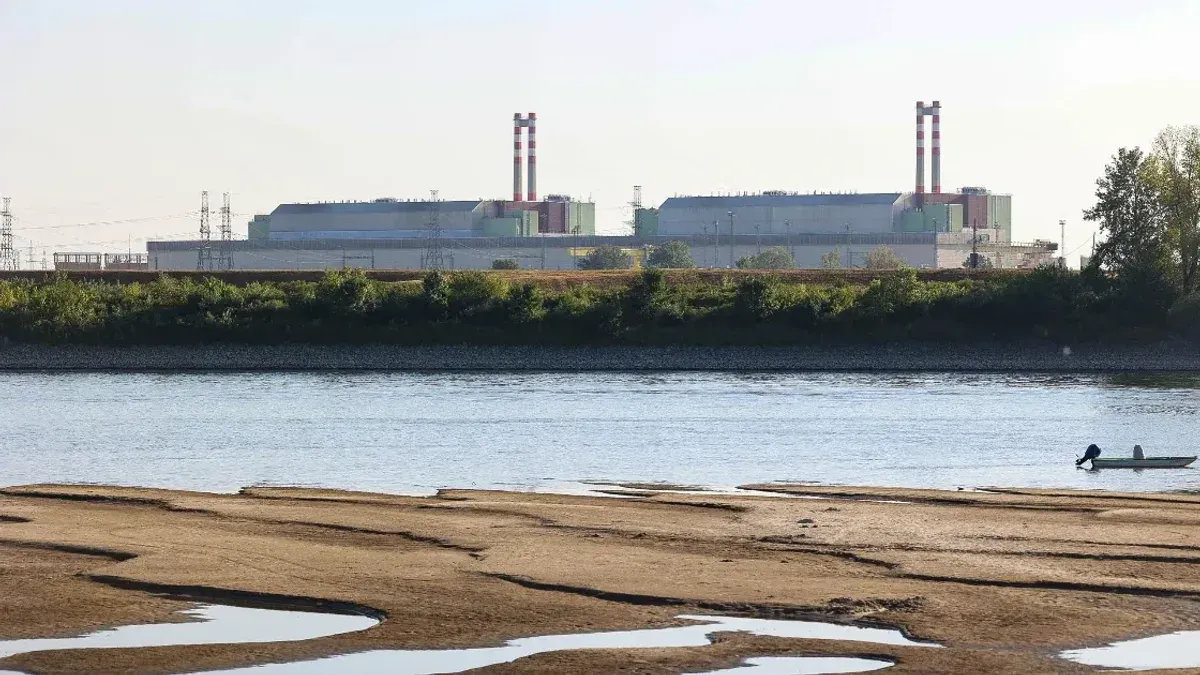
This year's extreme heat and drought have put Hungary's energy supply under serious pressure. As the Danube fell to historically low levels, the output of the Paks nuclear power plant had to be drastically reduced, with the possibility of a complete shutdown also emerging. In early August, the 2,000 MW plant was producing only around 240 MW, while both the river's flow and water level continued to decline.
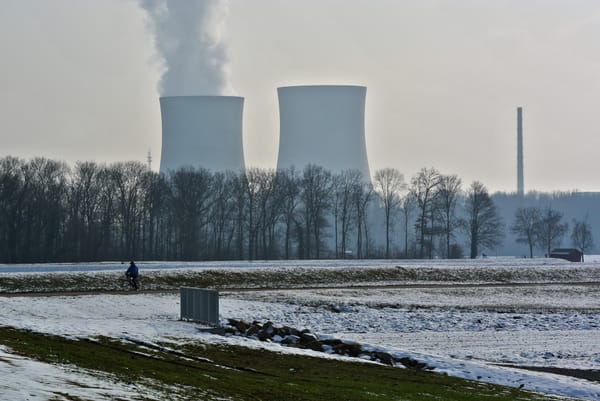
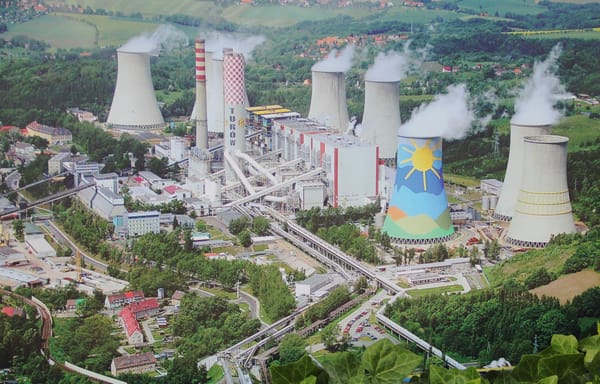
At first glance, one might assume that this is a general problem for nuclear power plants. Examples from Central Europe, however, show that the picture is more nuanced. The Czech Dukovany and Temelín plants, for example, have not so far been forced into comparable output reductions. One of the main reasons is that they are not cooled in the same way as Paks. Both Czech plants use cooling towers, which significantly reduce their dependence on river flow. According to Czech experts, this means that the current heat and drought pose a much less direct threat to their cooling systems than they do in Hungary.
The technical difference is important. Paks uses a so-called once-through cooling system, in which river water is used to cool the condensers: water drawn from the Danube absorbs the heat from the steam leaving the turbines and the warmed water is then discharged back into the river. Such a system faces two interconnected constraints: sufficient volumes of water must be available, and the temperature of both the river and the discharged water can become a limiting factor. Water temperatures above 20°C, for example, can have serious consequences for a number of aquatic species.
Dukovany and Temelín, by contrast, use cooling towers. In these systems, a significant share of the heat is transferred not directly to the river but to the atmosphere. The system still requires water, of course, but its dependence on the river's current flow is significantly lower. According to Czech utility ČEZ, cooling-tower technology requires substantially less water than once-through cooling, meaning that the current drought does not threaten the operation of the plants.
The situation is similar in Slovakia. The Mochovce nuclear power plant and the operating units at Jaslovské Bohunice use cooling towers. At Mochovce, for example, four large cooling towers serve the condensers of the two older operating units.
This does not mean that nuclear plants using cooling towers are completely independent of heatwaves and drought. High air temperatures reduce cooling efficiency, and cooling towers also require water to operate. The difference, however, is that reaching a critical water level in a river does not automatically mean that the plant loses its ability to dissipate heat.
Another interesting Central European example is Slovenia. The river-cooled Krško nuclear power plant did not completely escape the effects of the current extreme weather either: in early August, its reactor output was reduced to 80% because of high temperatures and low flow in the Sava River.
Krško is therefore a useful counterexample to the claim that the problem is exclusively a consequence of the technology used at Paks. River-related constraints can affect other nuclear plants as well. The difference is rather a matter of how much operating margin a particular system has, how much water is available in the river, what cooling technology is used, and what limits apply to the temperature of discharged water.
An even stronger example is Romania. The Cernavodă nuclear power plant also relies on the Danube for cooling, and one of its two reactors had to be shut down because of record-low water levels. Romanian authorities also took extraordinary measures that would hardly be necessary under normal circumstances: an obstruction in the riverbed was removed by blasting, and a temporary dam was built in an attempt to divert part of the cooling water towards the plant.
The current Central European experience therefore illustrates three different situations. At Paks and Cernavodă, extremely low Danube water levels directly constrained power generation. At Krško, low flow in the Sava forced a reduction in output. The Czech and Slovak plants using cooling towers, by contrast, had significantly greater resilience to such river-flow extremes.
This raises a particularly important question for Paks II. If climate change makes periods combining extreme heat, drought, low river flows and high electricity demand more frequent, then the design of a new nuclear power plant cannot be based simply on whether sufficient cooling water is available in an average year.