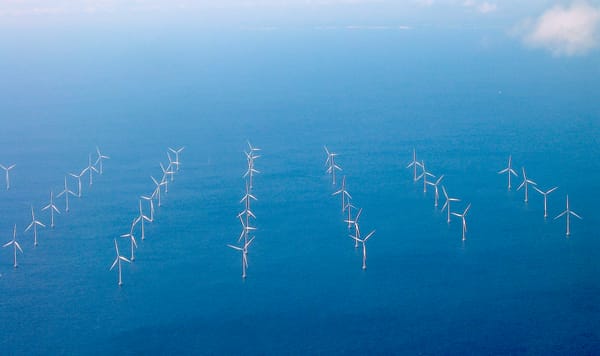
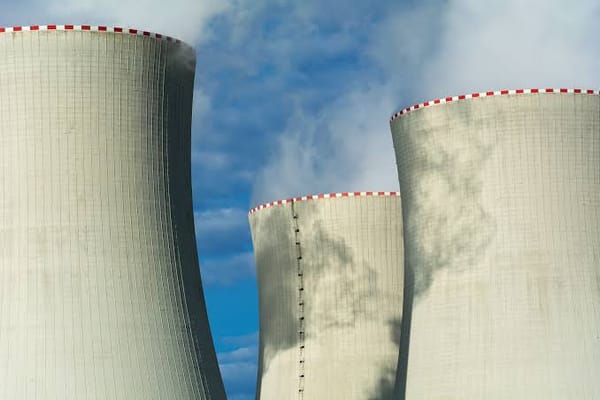
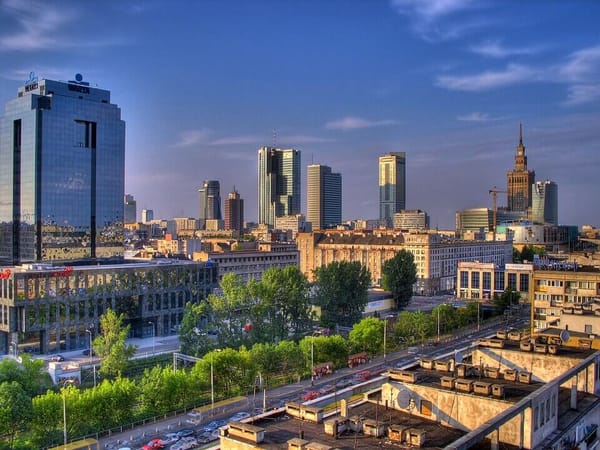
Last week, what may have appeared at first glance to be a purely technical milestone marked the beginning of a new chapter in Poland's energy transition.
Czech President Petr Pavel was nearly excluded from the NATO summit in Ankara. His government tried to keep him off the official delegation list, a sign of an unabated tension between castle and government.
The next big debate on the future of the European Union has already begun—not over enlargement, migration or defence, but over the EU's next long-term budget.
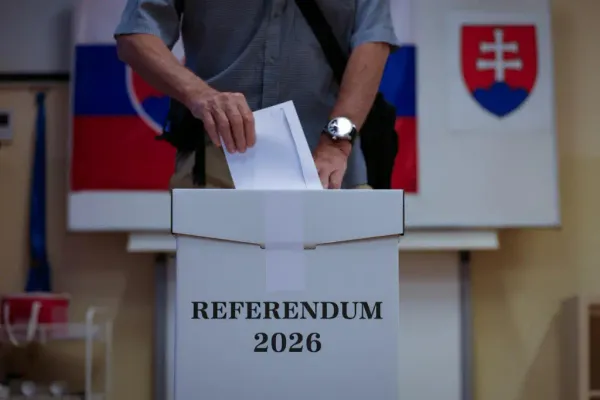
A failed Slovak referendum on Prime Minister Robert Fico's lifetime pension has exposed a pattern playing out well beyond Slovakia: across Europe, benefits for former heads of state are becoming political ammunition precisely where societies and elites are most deeply divided.
Artificial intelligence is emerging as Central Europe's best answer to an exhausted growth model – but the race to build the infrastructure that could underpin that transformation reveals as much about the region's limitations as its ambitions.
Two Central and Eastern European countries with different growth structures and economic performances are both looking to artificial intelligence as a driver of faster development.
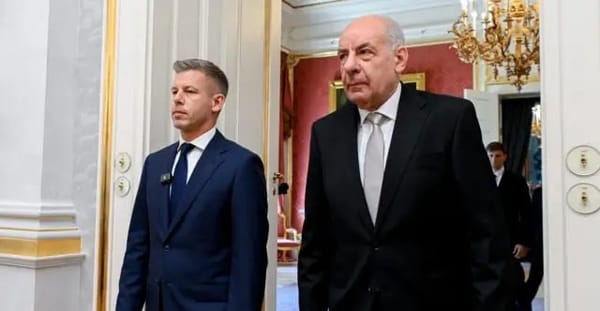
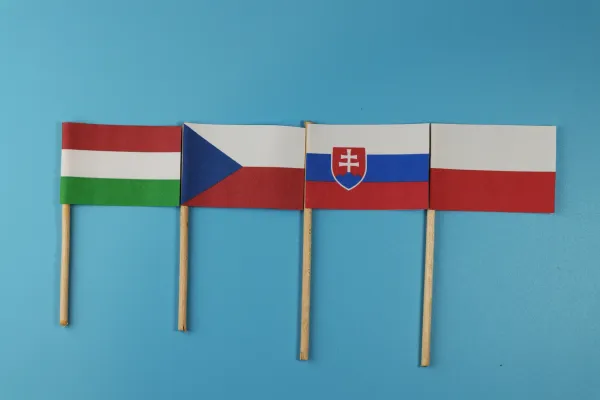
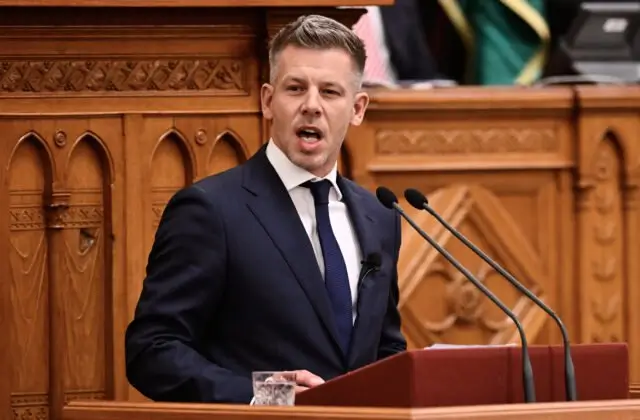
Hungarian Prime Minister Péter Magyar aims to breathe new life into the Visegrád Four format. To achieve this, the countries will have to overcome political differences – particularly regarding their approach toward Russia.
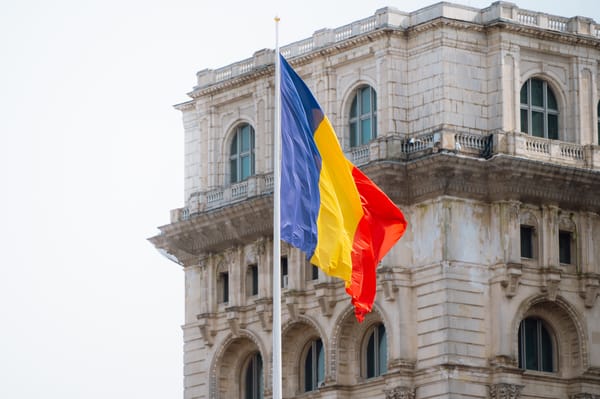
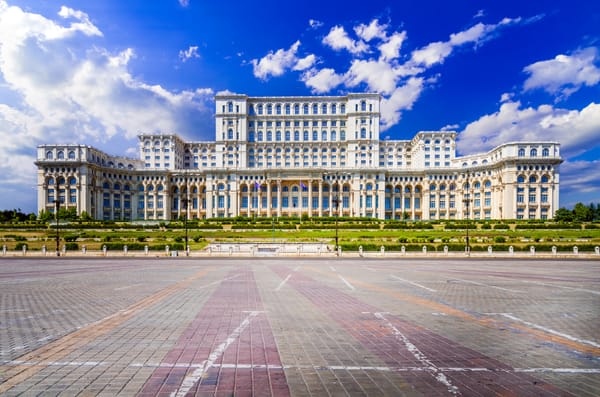
Romania has been left without a stable government for nearly seven weeks, with a second prime ministerial candidate now facing expulsion from his own party after refusing to stand down.
The crisis was triggered on 5 May, when a no-confidence vote — backed by the left-wing Social Democrats (PSD) and the
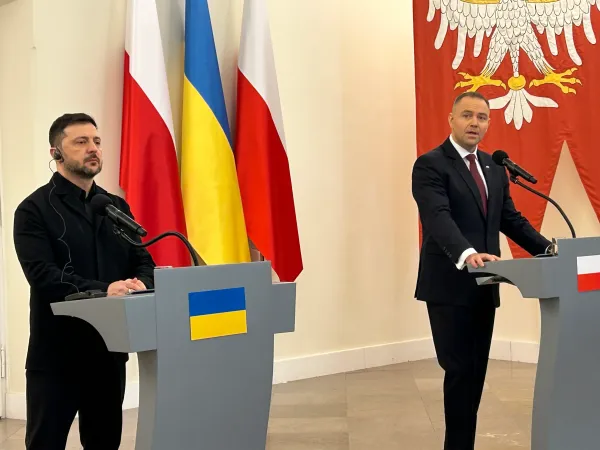
Poland's support has been one of the pillars of Ukraine's resilience since the start of the war. Now, that seemingly stable alliance has come under strain in a dispute that could have implications for broader regional cohesion and even the course of the war.
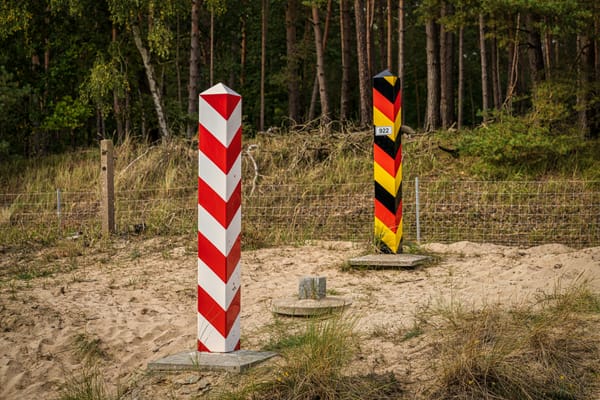
While Central Europe’s security environment has been fundamentally transformed by the Russia – Ukraine war, relations between Poland and Germany remain both a strategic necessity and a political challenge. This is clearly demonstrated by the fact that the two countries are set to sign a new defence cooperation agreement in
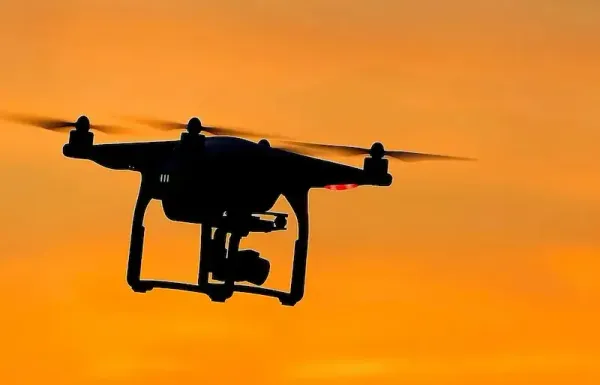
The two recent drone incidents in Romania have once again highlighted a growing reality: while the Russia – Ukraine war continues to be fought primarily on Ukrainian territory, its security implications are increasingly spilling over into neighboring NATO and EU member states.
Romanian President Nicușor Dan has designated Eugen Tomac, a Member of the European Parliament and former presidential adviser, as prime minister-designate, tasking him with forming a new government within ten days.
The nomination, announced on Thursday, comes nearly a month after the collapse of the Bolojan cabinet and reflects Mr
Romania's upper house has approved two emergency ordinances clearing the last legislative hurdles for the country to sign military procurement contracts under the European Union's SAFE programme.
The Senate voted on Tuesday to adopt both pieces of legislation, though in amended form. The legislation is required
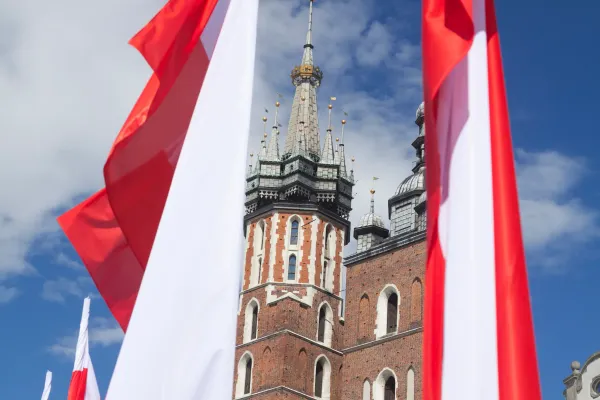
The recent political upheaval in Kraków, where Mayor Aleksander Miszalski was removed in a recall referendum, is more than a local Polish story. It reflects a broader Central European pattern where urban governance, national polarization, and EU-level political identities increasingly intersect.
According to Marcin Bosacki, State Secretary at the Polish Ministry of Foreign Affairs, the planned visit to Poland by Péter Magyar could represent a symbolic gesture from the new Hungarian political leadership, signaling a potential recalibration of relations between the two countries. In a statement to the Polish Press Agency
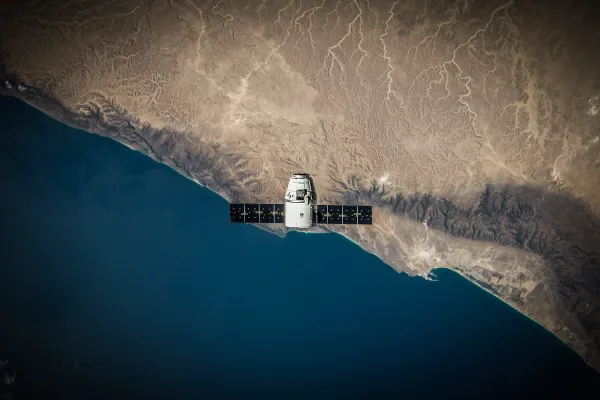
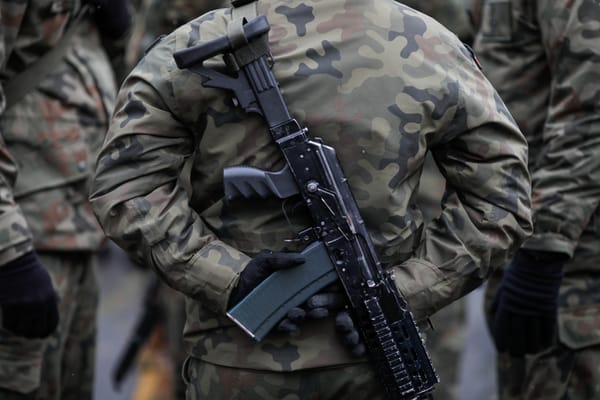
The deployment of the Polish military’s first sovereign operational satellite reconnaissance system may appear at first glance to be a straightforward military-technological development
Romania's parliament has voted to oust the Bolojan government in what is being described as the most decisive no-confidence motion in the country's history.
Of the 431 lawmakers present in the 464-seat chamber, 281 backed the motion — brought jointly by the Social Democratic Party (PSD) and
Romania stands to borrow €16.6bn under the EU’s SAFE defence programme — but analysts, generals and the country’s own state arms maker are warning that most of the money will flow abroad.
Romania is the second-largest recipient of EU defence loans under the SAFE (Security Action for Europe)
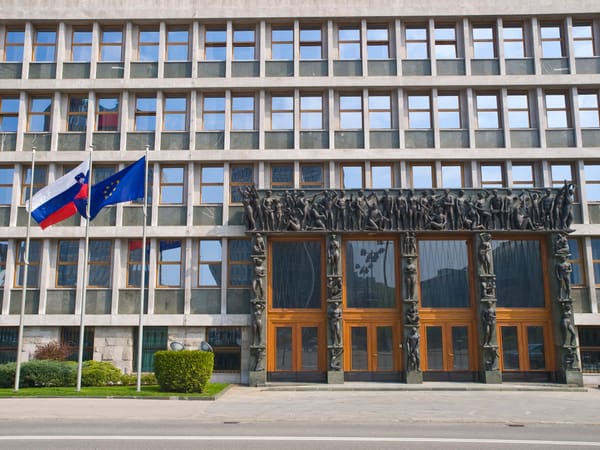
Slovenia’s domestic political uncertainty could even culminate in a new election: following the late-March vote, no political force appears to have secured a governing majority.
Recent developments around the Druzhba (Friendship) oil pipeline have highlighted just how vulnerable and politically entangled Central Europe’s energy supply remains.
The April 2026 Bulgarian election is not just another domestic political episode, but a turning point whose significance goes beyond the country’s borders.