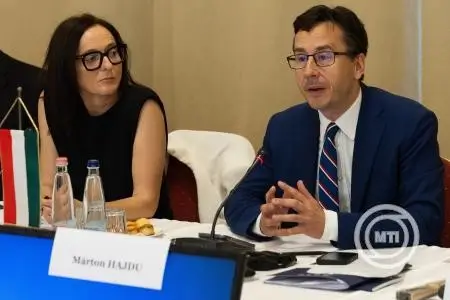
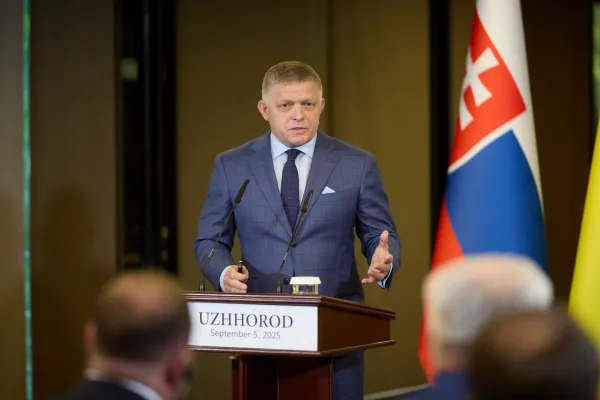
Based on the developments in Hungary over the past few days, it would be difficult to argue that relations between Hungary and the European Union are simply returning to where they were before Viktor Orbán came to power.
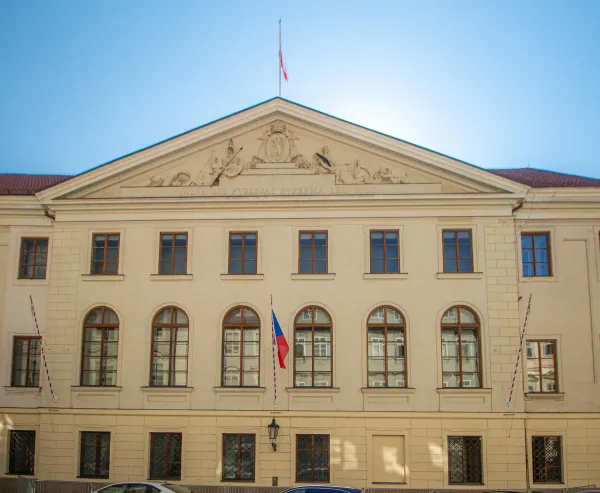
The Czech Chamber of Deputies overrode President Petr Pavel's veto of a fiscal-rules omnibus bill clearing the way for a law that lets the government exceed budget ceilings on defence and infrastructure spending through 2036, a move the opposition says it will challenge at the Constitutional Court.
The Czech Chamber is due to vote on overriding the President's veto of a fiscal-rules bill on 25 August. Not just defence spending is at stake, but the next presidential election, where the President is increasingly viewed by the Czech public as the head of the opposition.
The domestic political paralysis could have serious economic consequences: the caretaker government is running out of time ahead of the August 31 deadline set by Brussels.
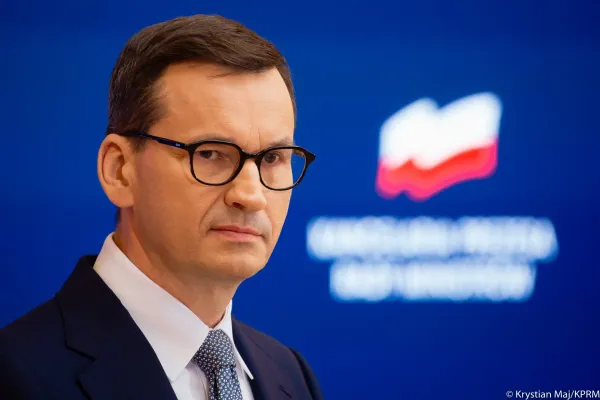
It puts the former Polish ruling party in an uncomfortable position that its former deputy justice minister is hiding from the justice system in territories outside the reach of the law.
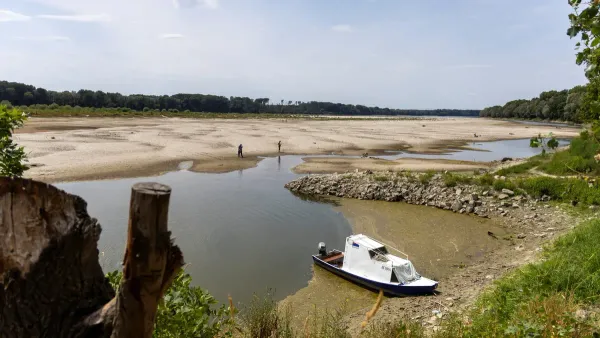
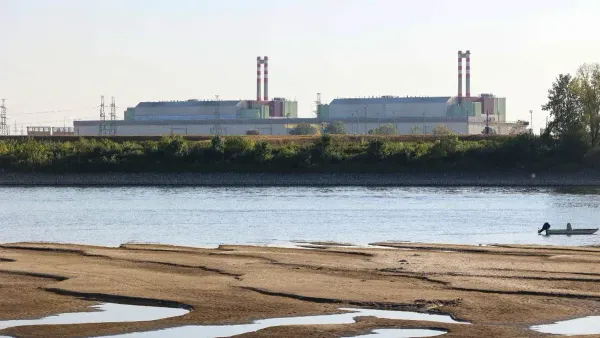
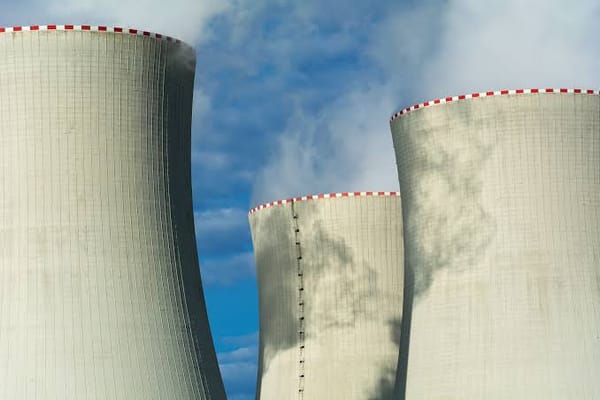
Hungary and Romania are living through their most serious energy crisis in decades, as record-low Danube levels have all but shut down two of the region's nuclear plants.
In Hungary, low Danube water levels and a prolonged heatwave have created an acute energy crisis, while other countries in the region appear to have weathered the situation more easily. Part of the explanation lies in the differences between the cooling systems used by their nuclear power plants.
For a long time, it seemed that the return to power of Poland’s illiberal right – allied with Orbán and highly effective at blocking Donald Tusk’s government – was merely a matter of time. But those plans could now be derailed by an emerging split within the party.
Hungary is joining the Poland-led AI Gigafactory consortium that already includes Czechia and Lithuania, marking a significant upgrade from the country's previous position as one of the EU's lighter-touch "AI Factory Antenna" participants.
Czechia's 2026 deficit is running nearly a full percentage point above what the outgoing Fiala government projected and the single largest reason is a defence-spending trajectory that Prime Minister Babiš campaigned against but has since chosen to continue.
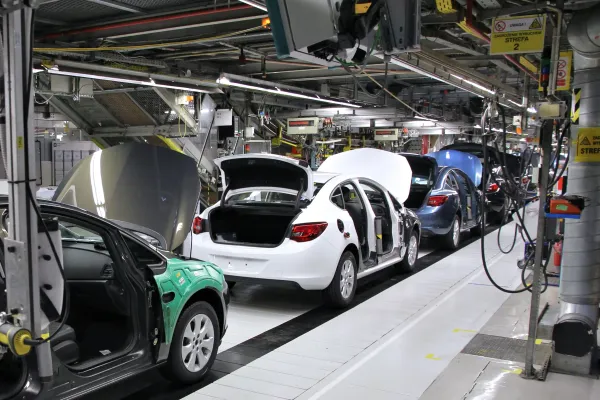
Poland, often described as the “success story” of the European economy, is sending mixed signals. There is no immediate crisis, but the country’s industrial sector is showing weaker figures than before, raising the possibility of stagnation or even a decline.
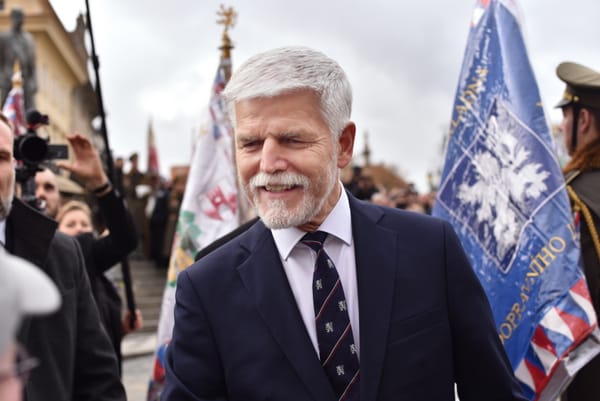
Czech President Petr Pavel was nearly excluded from the NATO summit in Ankara. His government tried to keep him off the official delegation list, a sign of an unabated tension between castle and government.
The next big debate on the future of the European Union has already begun—not over enlargement, migration or defence, but over the EU's next long-term budget.
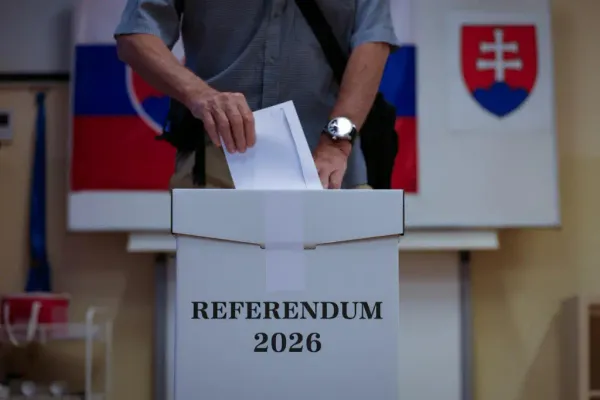
A failed Slovak referendum on Prime Minister Robert Fico's lifetime pension has exposed a pattern playing out well beyond Slovakia: across Europe, benefits for former heads of state are becoming political ammunition precisely where societies and elites are most deeply divided.
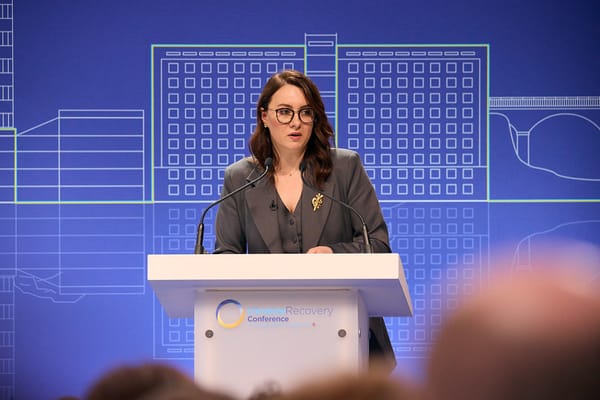
Artificial intelligence is emerging as Central Europe's best answer to an exhausted growth model – but the race to build the infrastructure that could underpin that transformation reveals as much about the region's limitations as its ambitions.
Two Central and Eastern European countries with different growth structures and economic performances are both looking to artificial intelligence as a driver of faster development.
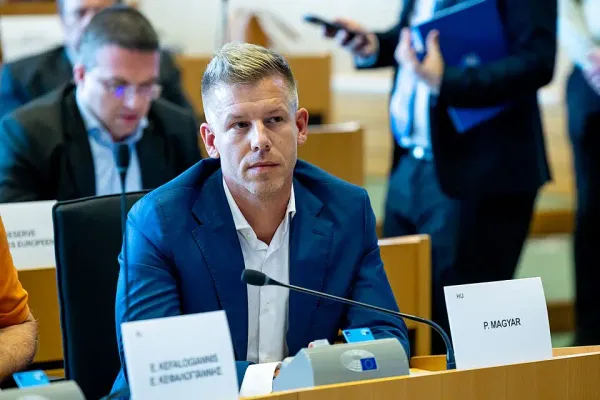
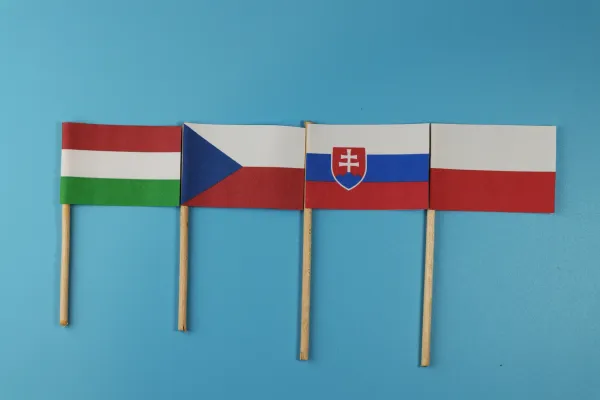
Hungarian Prime Minister Péter Magyar aims to breathe new life into the Visegrád Four format. To achieve this, the countries will have to overcome political differences – particularly regarding their approach toward Russia.
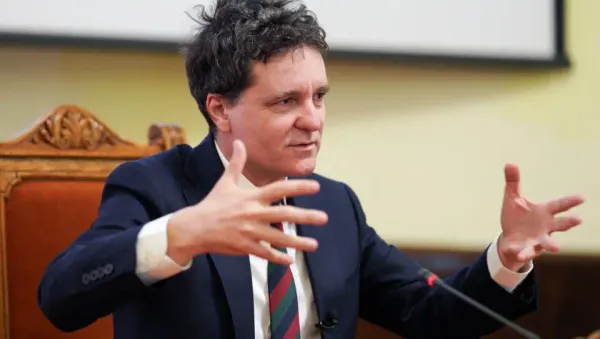
Romania has been left without a stable government for nearly seven weeks, with a second prime ministerial candidate now facing expulsion from his own party after refusing to stand down.
The crisis was triggered on 5 May, when a no-confidence vote — backed by the left-wing Social Democrats (PSD)
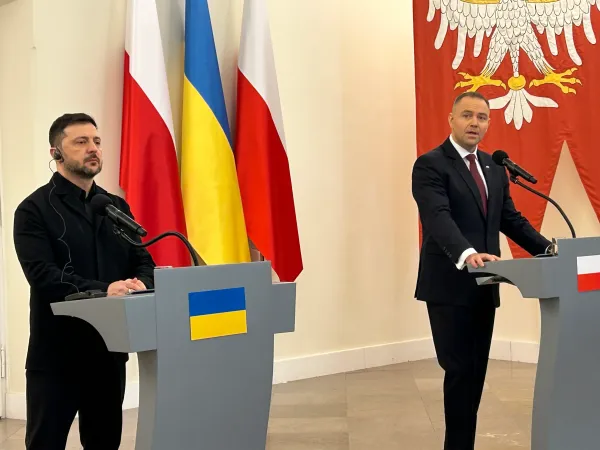
Poland's support has been one of the pillars of Ukraine's resilience since the start of the war. Now, that seemingly stable alliance has come under strain in a dispute that could have implications for broader regional cohesion and even the course of the war.
While Central Europe’s security environment has been fundamentally transformed by the Russia – Ukraine war, relations between Poland and Germany remain both a strategic necessity and a political challenge. This is clearly demonstrated by the fact that the two countries are set to sign a new defence cooperation agreement in