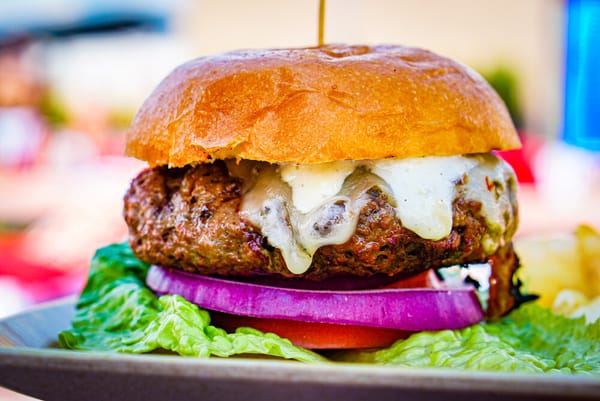
Nestle to fire 80 at Czech vegan meat plant due to low demand
The Czech Chamber of Commerce said on 22 June that the Nestle cuts should be viewed in the context of changing consumer priorities amid inflation and a shift toward simpler food products.

The Czech Chamber of Commerce said on 22 June that the Nestle cuts should be viewed in the context of changing consumer priorities amid inflation and a shift toward simpler food products.
The People for Peace coalition, which includes left-aligned Dutch lawmakers and activists with prior ties to Russian disinformation networks, is expected to stage events near the World Forum venue and at key traffic corridors.

The InvestAI programme, presented by the European Commission president Ursula von der Leyen in September 2024, earmarked EUR 20bn. The Polish-Baltic consortium is one of the first regionally coordinated bids submitted under the framework.

Hungary has now fallen to the lowest position in the EU for actual individual consumption (AIC), despite its starting position ahead of several regional peers two decades ago.
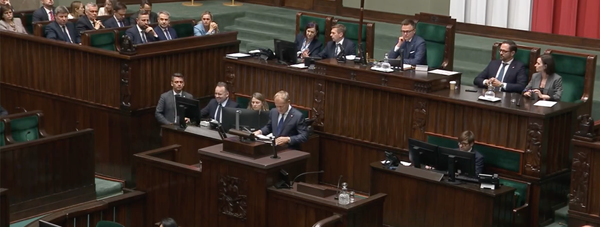
Tusk acknowledged the expected use of veto by President-elect Nawrocki, as did outgoing President Andrzej Duda during the first 18 months of the KO's term. The KO does not have the 3/5 supermajority, or 276 out of 460 seats, needed to overturn a presidential veto.c
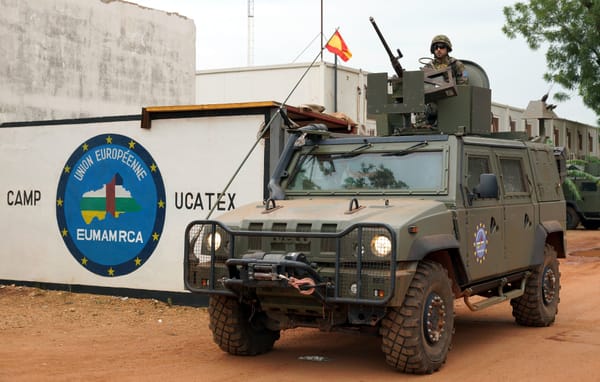
Polish Deputy PM and Defence Minister Wladyslaw Kosiniak-Kamysz said in April that Poland’s defence strategy prioritises frontline support and rapid capacity building. He added that Poland “will not turn anyone away” from its training centres, including non-combat personnel.

The European Commission (EC) this month placed Romania under the excessive deficit procedure, warning that further delays risk triggering the suspension of EU funds.
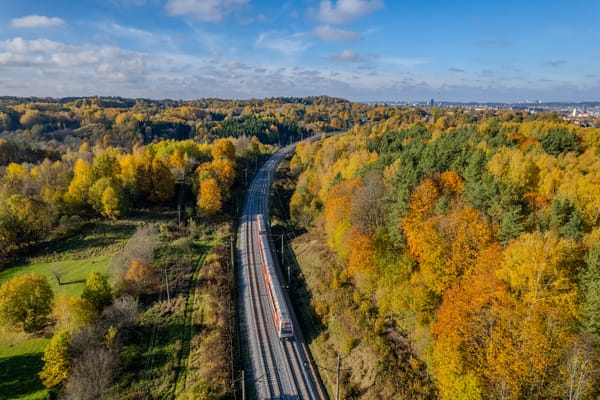
The main RB corridor will connect Tallinn, Riga, Kaunas and Warsaw via a continuous standard-gauge line, ensuring uninterrupted north-south passenger and freight movement.
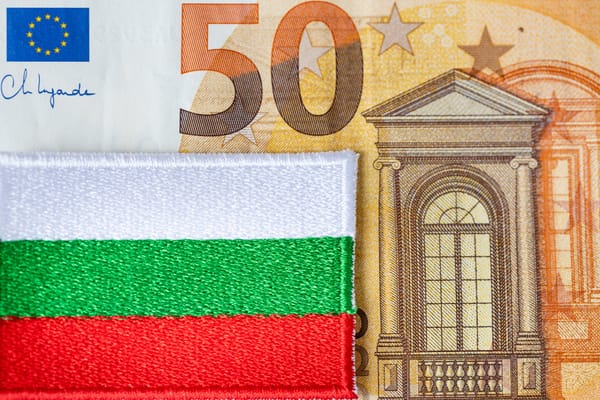
Petar Ganev, senior research fellow at Bulgaria’s Institute for Market Economics said “When you don’t trust the institutions in the country, it is much harder to make any transition … especially when it comes to joining the euro."
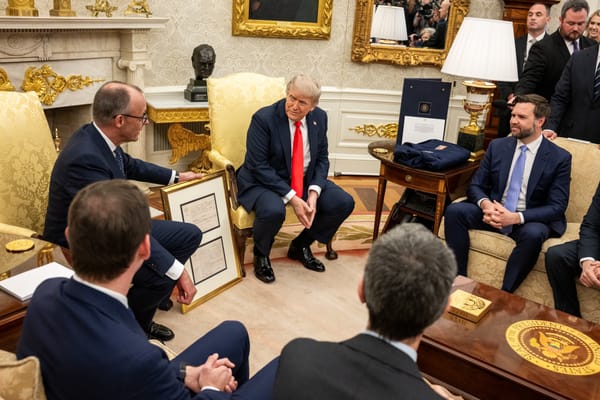
In late May, Merz said Nord Stream 2 must stay closed to “weaken Moscow's war machine” and also declared that his government would “do everything” to prevent the pipeline from going online.ce
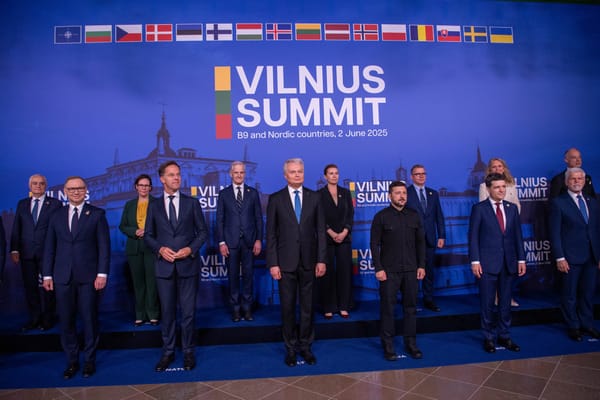
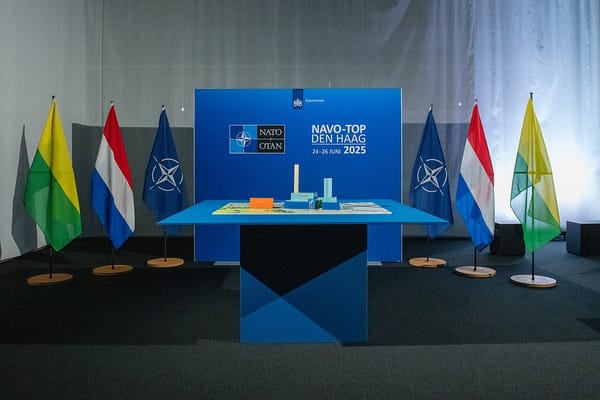
The summit reflected growing urgency in CEE ahead of the NATO meeting in The Hague scheduled from June 24-26. NATO Secretary General Mark Rutte said the meeting in The Hague would demonstrate the alliance’s commitment to collective defence.c
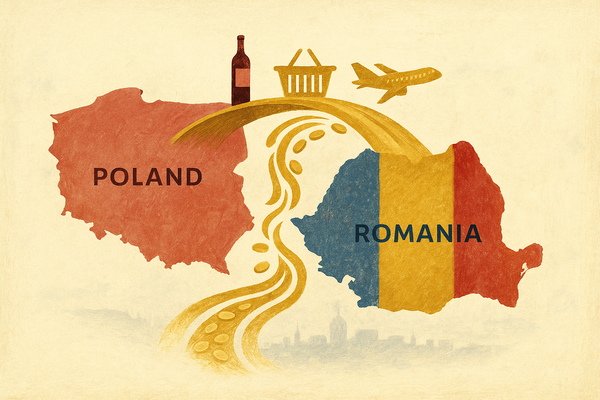
Romania’s appeal for Polish investors includes its EU membership, consumer base, and steady economic growth, according to analysts.
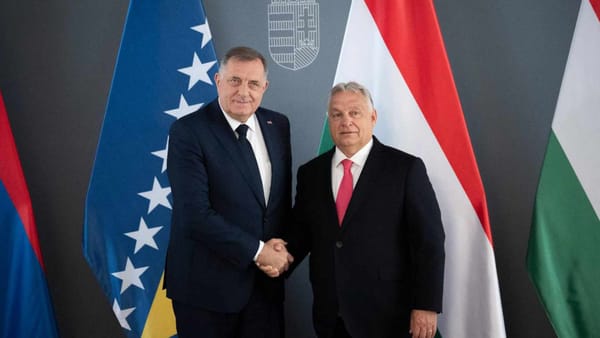
The meeting took place despite an active arrest warrant issued in March by Bosnia and Herzegovina’s (BiH) state court, following Dodik’s February conviction for defying rulings by the international envoy overseeing the 1995 Dayton Peace Agreement.
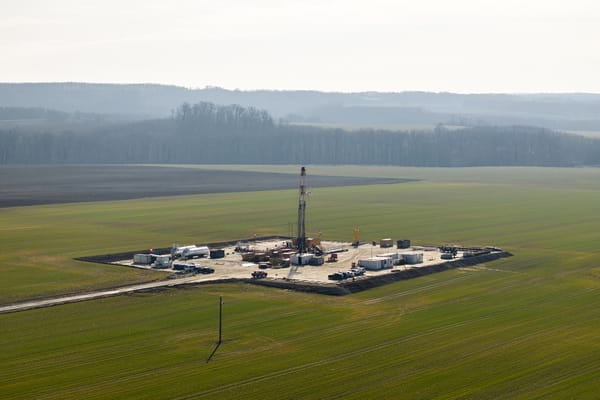
The Som-8 well is Hungary’s first meaningful local oil addition since 2019. National demand averaged 167,000 bpd in 2024, while domestic crude output stood closer to 23,000 bpd, according to industry data.
“If Ukraine falls, Lithuania is next. That’s not speculative. It’s consistent with everything Putin has said and done,” Petraeus said.
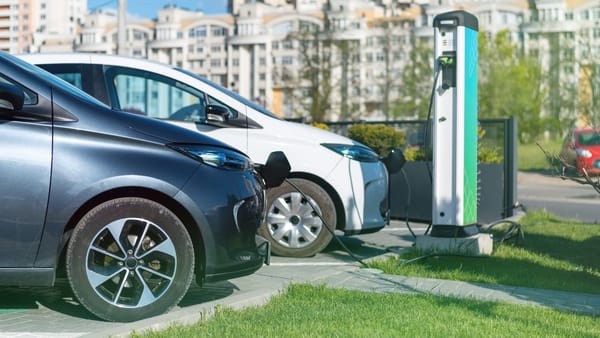
While Romania, Bulgaria and Serbia continue to attract foreign capital, structural delays in electrification and infrastructure risk diminishing long-term value, according to the International Trade Centre (ITC) Trade Map.

The result will extend Law and Justice (PiS) party influence over the presidency and its continued obstruction of the "big tent" pro-EU governing Civic Coalition (KO) led by Polish Prime Minister Donald Tusk.
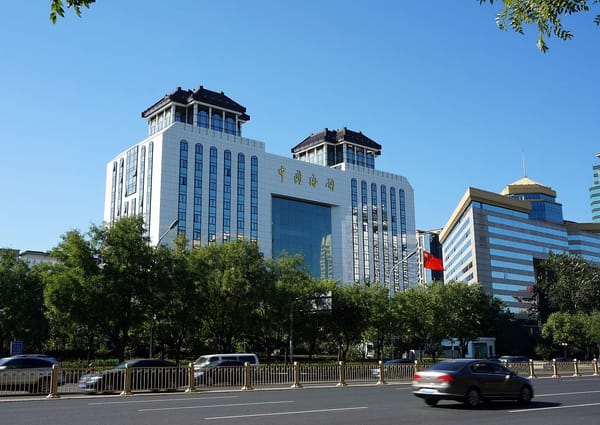
China's trade with Central and Eastern Europe (CEE) reached USD 142.3bn in 2024, marking a 6.3% year-on-year increase, surpassing China's overall foreign trade growth rate by 2.5 percentage points, according to China's General Administration of Customs. The total marked a 4.

Nominal minimum wages in Romania and Bulgaria have more than doubled in the last decade, with the sharpest growth before 2020. Czechia and Slovakia now apply EU-aligned benchmarks for annual adjustments.
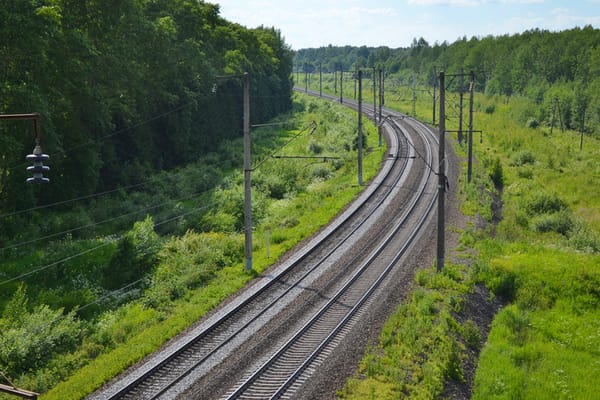
Rail Baltica has faced repeated delays, cost inflation and uneven progress across national segments.
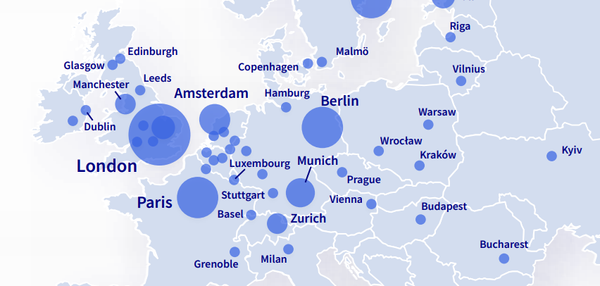
Central and Eastern Europe (CEE) gained new recognition in Dealroom’s 2025 Global Tech Ecosystem Index, with CEE capital cities Vilnius, Lithuania; Warsaw, Poland; and Zagreb, Croatia, named among the world’s top 100 emerging innovation hubs. The index, released on 21 May, ranked 288 cities worldwide. While Paris and
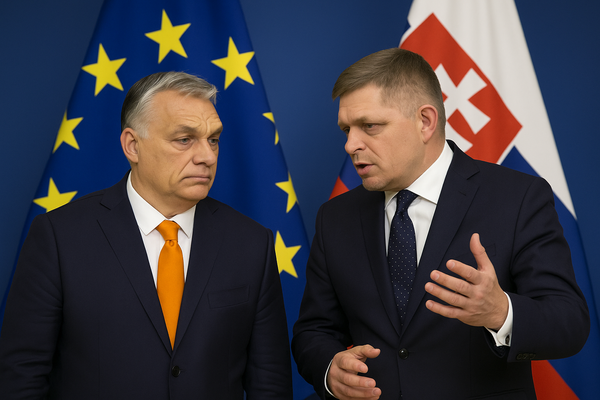
Hungary and Slovakia have emerged as the most vocal opponents of two of the EU’s most consequential reform proposals: plans to phase out Russian energy imports and to overhaul the bloc’s long-term budget to prioritise defence, climate and digital transition. EU mulls ban of new Russian energy contracts
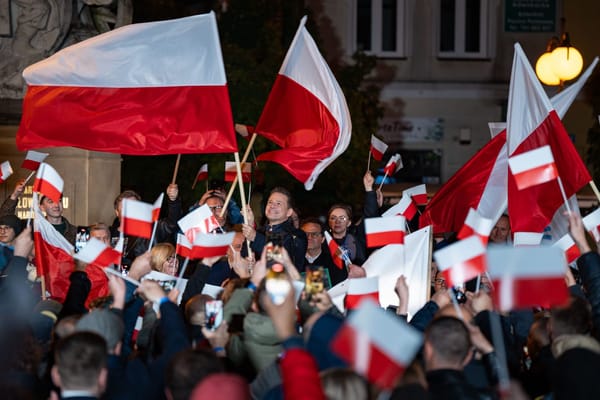
Centrist Warsaw Mayor Rafal Trzaskowski narrowly won in the first round of Poland’s presidential election, setting up a closely contested runoff on 1 June. With 99.75% of votes counted, Trzaskowski, backed by Polish Prime Minister Donald Tusk’s centrist Civic Coalition (KO) secured 31.3% on 18 May
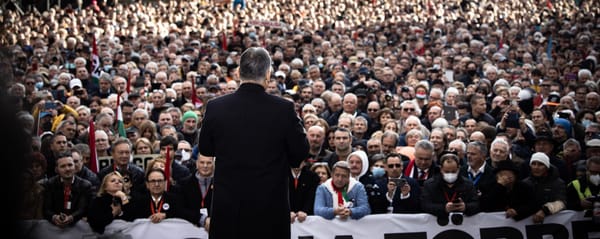
Hungarian Prime Minister Viktor Orban's ruling Fidesz party submitted on Tuesday, 13 May a bill that would allow the government to monitor, penalise and potentially ban organisations receiving foreign funding and categorised as threats to national sovereignty. The draft law would expand the powers of the Sovereignty Protection

Independent pro-EU candidate Nicusor Dan won Romania’s presidential election on Sunday, 18 May, defeating far-right challenger George Simion in a runoff vote. The result represents a holding of the political centre after months of polarised campaigning, easing tensions in Brussels and Central and Eastern Europe (CEE). Dan secured 53.