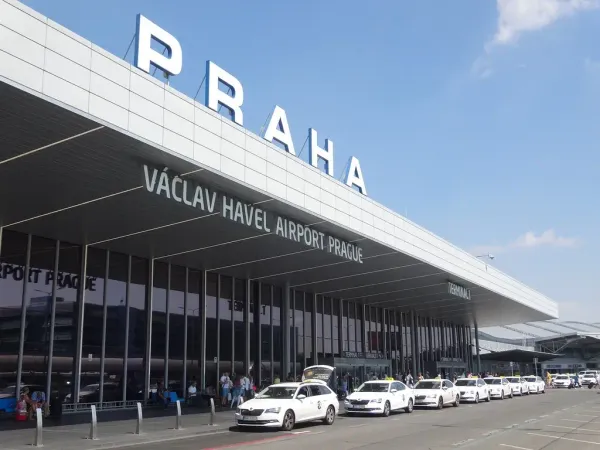
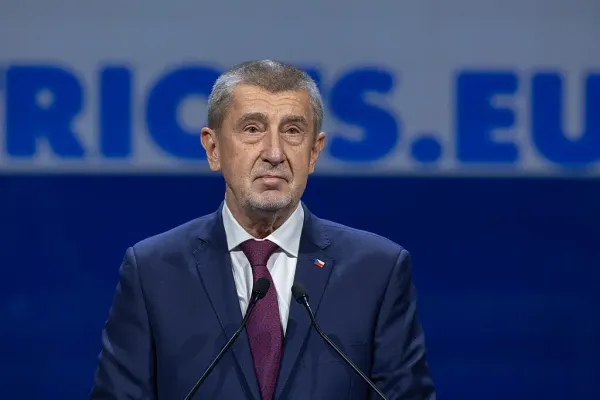
The Babiš government is weighing partial privatisations of explosives maker Explosia and Letiště Praha, the operator of Václav Havel Airport, but the Prime Minister and First Deputy PM Karel Havlíček (both ANO) are advancing markedly different justifications for the sales.
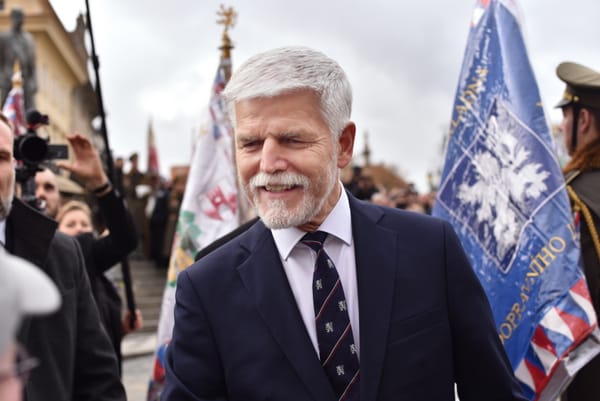
The Czech Chamber of Deputies overrode President Petr Pavel's veto of a fiscal-rules omnibus bill clearing the way for a law that lets the government exceed budget ceilings on defence and infrastructure spending through 2036, a move the opposition says it will challenge at the Constitutional Court.
The Czech Chamber is due to vote on overriding the President's veto of a fiscal-rules bill on 25 August. Not just defence spending is at stake, but the next presidential election, where the President is increasingly viewed by the Czech public as the head of the opposition.
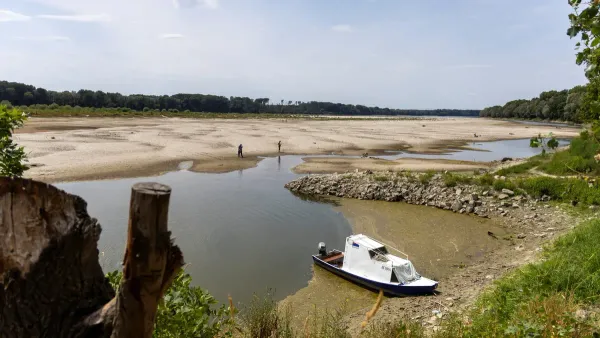
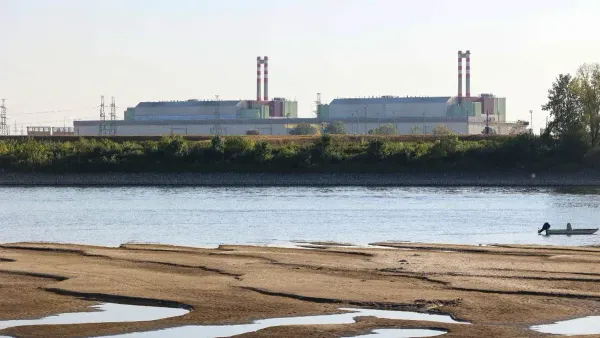
Hungary and Romania are living through their most serious energy crisis in decades, as record-low Danube levels have all but shut down two of the region's nuclear plants.
In Hungary, low Danube water levels and a prolonged heatwave have created an acute energy crisis, while other countries in the region appear to have weathered the situation more easily. Part of the explanation lies in the differences between the cooling systems used by their nuclear power plants.
Czech President Petr Pavel was nearly excluded from the NATO summit in Ankara. His government tried to keep him off the official delegation list, a sign of an unabated tension between castle and government.
The next big debate on the future of the European Union has already begun—not over enlargement, migration or defence, but over the EU's next long-term budget.
Artificial intelligence is emerging as Central Europe's best answer to an exhausted growth model – but the race to build the infrastructure that could underpin that transformation reveals as much about the region's limitations as its ambitions.
Poland has also been hit by the fuel price shock, to which the government has responded with a price cap. Most countries in the region are attempting to ease the burden on consumers through direct state intervention in pricing.
The resignation of veteran broadcaster Václav Moravec from Czech Television in March brought to a head a long-simmering confrontation between the country's public media and the new coalition government of Andrej Babiš, which plans to abolish the licence fees that fund them.
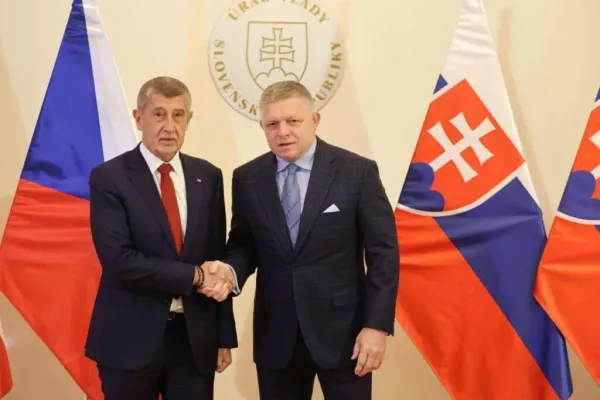
The Czech Republic and Slovakia have agreed to invest approximately €40 million to reverse the flow of the Czech section of the Druzhba pipeline, creating an alternative crude oil supply route for Slovakia amid an ongoing energy crisis triggered by damage to the pipeline's Ukrainian stretch.
To understand Czech agricultural policy, one must simultaneously examine economic factors, EU policies, and public-life conflicts centered around Andrej Babiš.