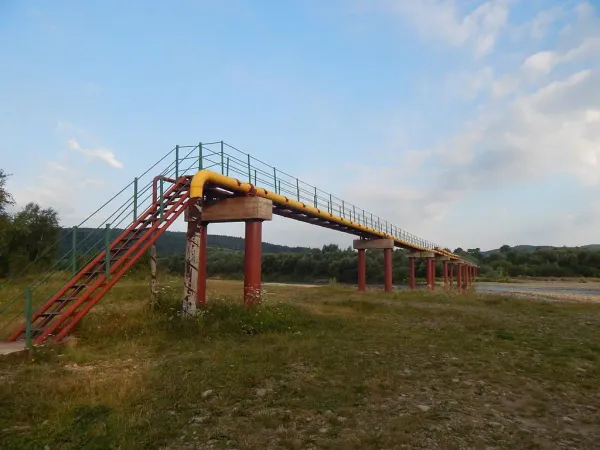
The Czech Republic and Slovakia have agreed to invest approximately €40 million to reverse the flow of the Czech section of the Druzhba pipeline, creating an alternative crude oil supply route for Slovakia amid an ongoing energy crisis triggered by damage to the pipeline's Ukrainian stretch.
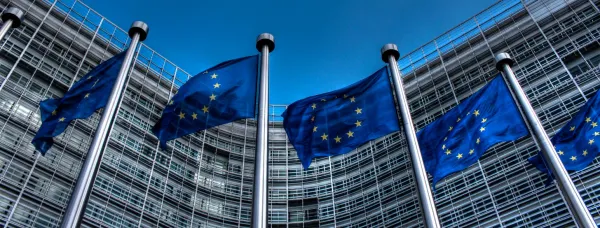
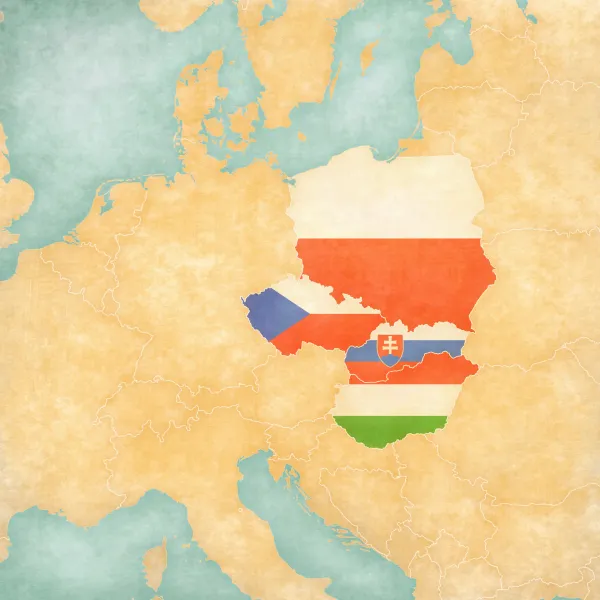
The European Union summit of March 19, 2026, clearly highlighted that the Visegrád cooperation can no longer be seen as a unified political bloc when it comes to the war in Ukraine.
A Russian drone strike on Ukraine's Druzhba pipeline in January 2026 has triggered a diplomatic crisis between Kyiv, Budapest and Bratislava - but the real damage runs deeper. The dispute has forced into the open a question: whether the EU can remain industrially competitive while paying two to
With Hungary's parliamentary elections set for 12 April 2026, the relationship between Budapest and Kyiv has deteriorated into one of the most explosive bilateral disputes in Europe.
Von der Leyen's visits to frontline NATO states aims to deliver a message of solidarity while boosting Europe’s defence capacity, promoting joint procurement and galvanising industrial support through the EU’s SAFE mechanism.
Lithuanian President Gitanas Nauseda described Ruginiene as “a constructive negotiator who seeks compromise”, adding that foreign policy continuity, especially support for Ukraine, would be maintained. Nauseda signed a decree on 27 August formally appointing her.
The alliance’s biggest spenders are all on the Eastern flank and neighbouring Russia, with Poland leading the pack (4.48%) ahead of Lithuania (4.0%), Latvia (3.73%), and Estonia (3.38%). The US is sixth at 3.22% of GDP.
Ukrainian drones have struck at least 10 key Russian energy facilities this month alone, according to US news channel CNN. Attacks on 12, 17 and 21-22 August all targeted Druzhba's same pipeline’s southern leg.
Germany’s trade with Central and Eastern Europe rose EUR 5.4bn to EUR 275bn in the first half of 2025, led by a surge in exports to Poland, Ukraine and Slovenia.