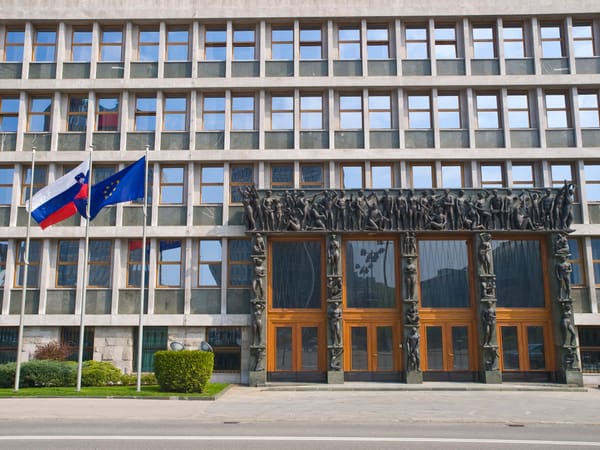
Post-election deadlock in Slovenia: this is how voters did (not) decide
Slovenia’s domestic political uncertainty could even culminate in a new election: following the late-March vote, no political force appears to have secured a governing majority.


Slovenia’s domestic political uncertainty could even culminate in a new election: following the late-March vote, no political force appears to have secured a governing majority.
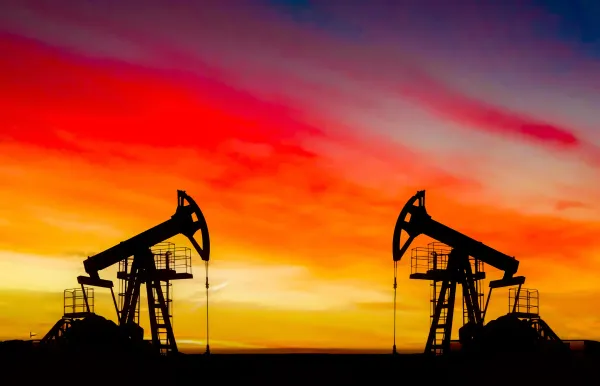
Recent developments around the Druzhba (Friendship) oil pipeline have highlighted just how vulnerable and politically entangled Central Europe’s energy supply remains.
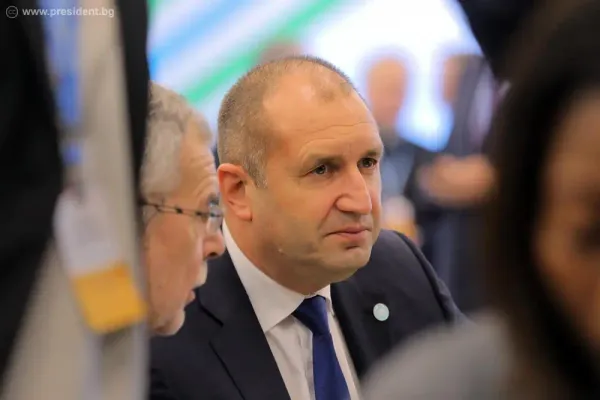
The April 2026 Bulgarian election is not just another domestic political episode, but a turning point whose significance goes beyond the country’s borders.
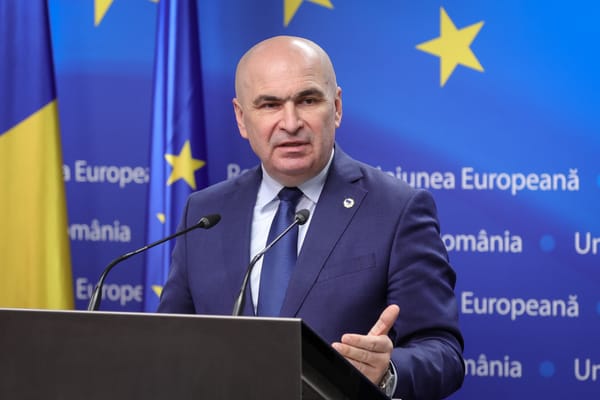
Romania’s governing coalition fractured on Sunday evening when the Social Democratic Party (PSD)voted in an internal referendum to withdraw its political support from Prime Minister Ilie Bolojan.
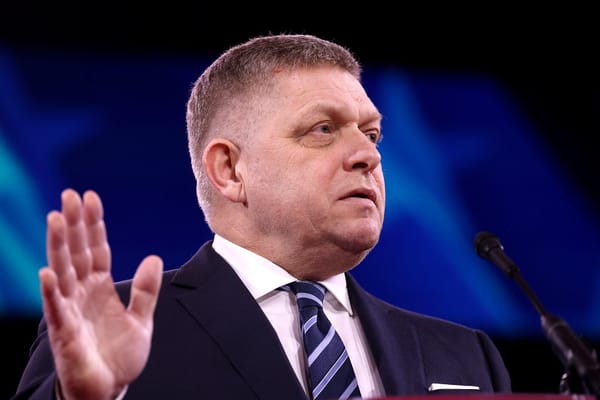
The defeat of Hungary’s ruling party could trigger a domino effect across the region. Slovak media, in this context, point to a weakening of Robert Fico’s position.
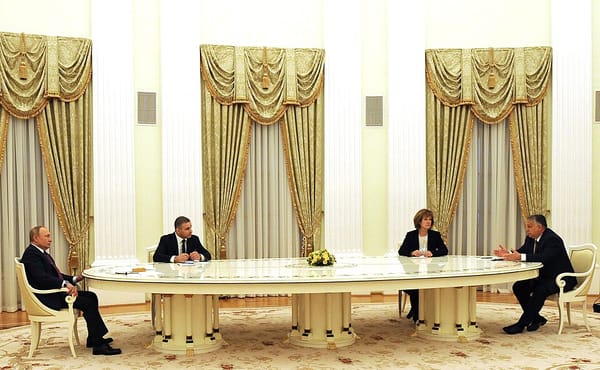
Moscow must also rethink its regional position after Fidesz’s defeat. Russia has lost its most stable ally in the region, while still needing partner(s) within the EU.
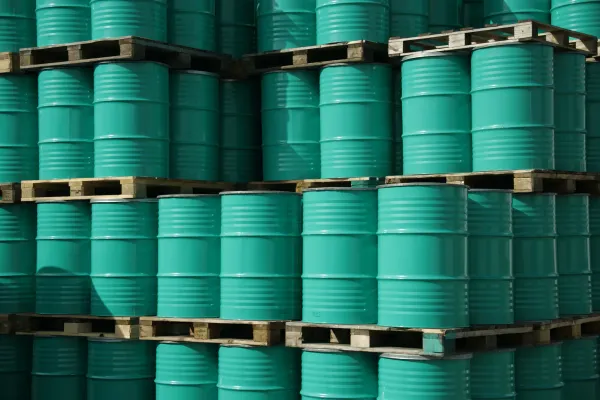
As Hormuz closes and Druzhba stays shut, the four Visegrád countries face the same vulnerability from opposite directions.
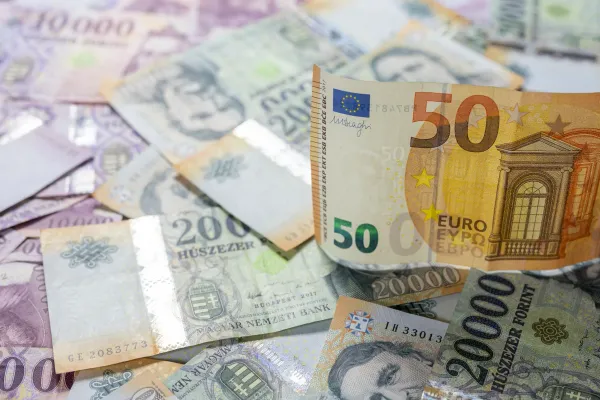
Tisza’s landslide victory on April 12 sent the forint to a four-year high and Budapest stocks to a record, as investors priced in the end of the Orbán-era risk premium and the prospect of unlocking frozen EU funds.
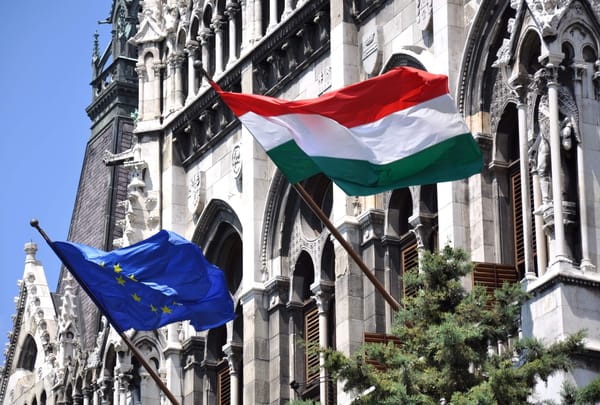
The Hungarian election results generated significant reverberations across the region. The reactions simultaneously reflected a sense of geopolitical realignment and each country's own domestic political considerations.
On 12 April 2026, Hungarian voters ended sixteen years of Viktor Orbán's rule in a landslide, handing Péter Magyar's Tisza party a two-thirds supermajority on the highest turnout since the fall of communism.
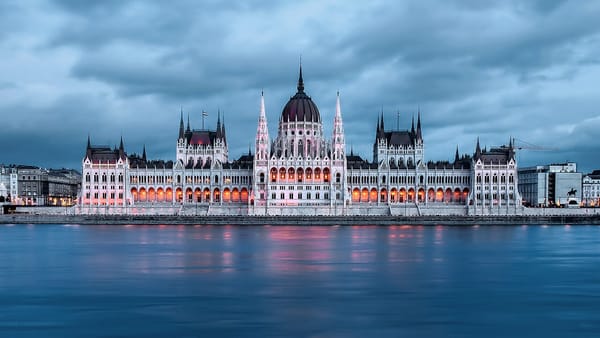
Opinion polls are divergent, but results from government-independent research institutes suggest the possible defeat of the Orbán government in Hungary.
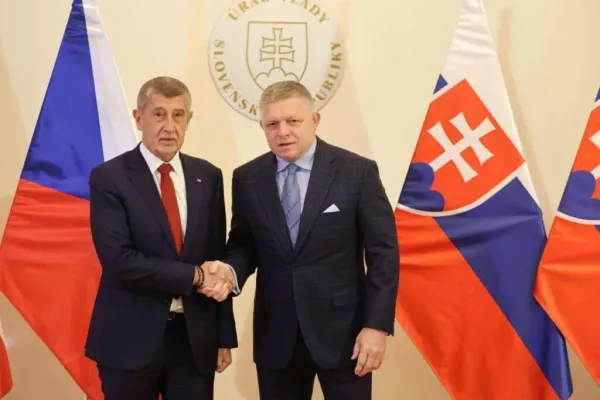
The Czech-Slovak bilateral reset, sealed at Nóva Horka on March 31, has reopened a diplomatic channel that was shut over Ukraine.
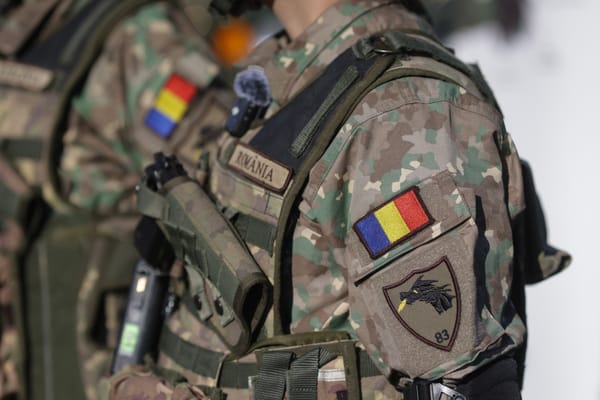
The EU's €150 billion Security Action for Europe programme was designed to protect the continent's eastern flank. In Romania - its single largest beneficiary - it has instead ignited coalition warfare.
Poland has also been hit by the fuel price shock, to which the government has responded with a price cap. Most countries in the region are attempting to ease the burden on consumers through direct state intervention in pricing.
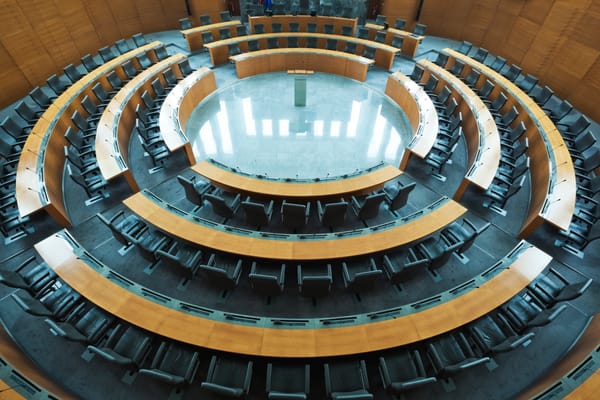
Following the March parliamentary elections, Slovenia has entered a prolonged and uncertain government formation process. The election did not produce a clear winner, leaving the country in a classic coalition bargaining situation where smaller parties have gained increased importance.