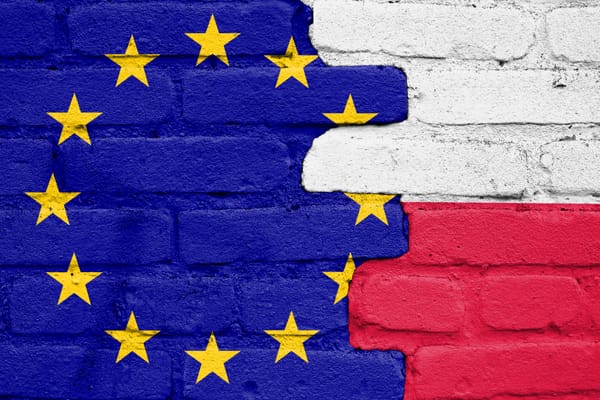
The Polish press is once again writing about “Polexit”
The question of leaving the European Union regularly resurfaces in Polish public life whenever political or rule-of-law disputes between Warsaw and Brussels intensify.


The question of leaving the European Union regularly resurfaces in Polish public life whenever political or rule-of-law disputes between Warsaw and Brussels intensify.

The resignation of veteran broadcaster Václav Moravec from Czech Television in March brought to a head a long-simmering confrontation between the country's public media and the new coalition government of Andrej Babiš, which plans to abolish the licence fees that fund them.
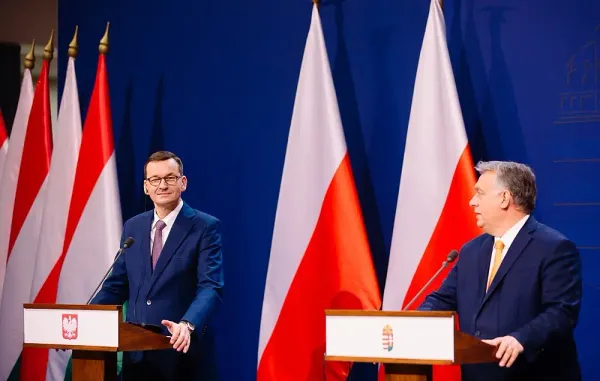
In recent weeks, significant domestic political debate has emerged in Poland over efforts by politicians from the Law and Justice party (PiS) – including Mateusz Morawiecki and Karol Nawrocki – to strengthen ties with Hungarian Prime Minister Viktor Orbán.
The Czech Republic and Slovakia have agreed to invest approximately €40 million to reverse the flow of the Czech section of the Druzhba pipeline, creating an alternative crude oil supply route for Slovakia amid an ongoing energy crisis triggered by damage to the pipeline's Ukrainian stretch.
The European Union summit of March 19, 2026, clearly highlighted that the Visegrád cooperation can no longer be seen as a unified political bloc when it comes to the war in Ukraine.
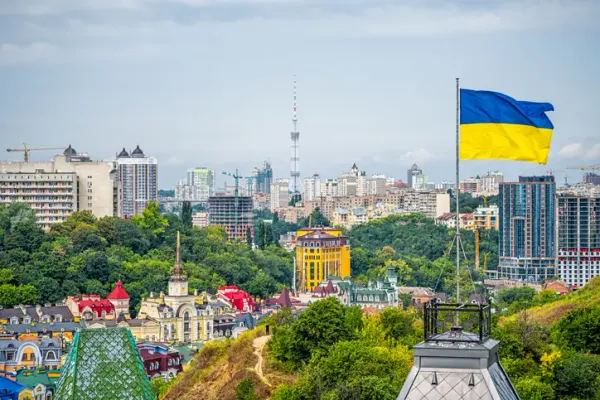
A Russian drone strike on Ukraine's Druzhba pipeline in January 2026 has triggered a diplomatic crisis between Kyiv, Budapest and Bratislava - but the real damage runs deeper. The dispute has forced into the open a question: whether the EU can remain industrially competitive while paying two to three
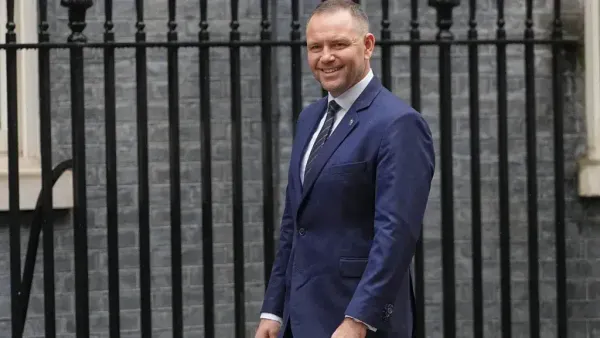
A serious domestic political conflict has emerged in Poland after the head of state, Karol Nawrocki, refused to sign a law that would have enabled the country to join the European Union’s joint defence loan programme. The decision is not only a turning point in a specific economic policy
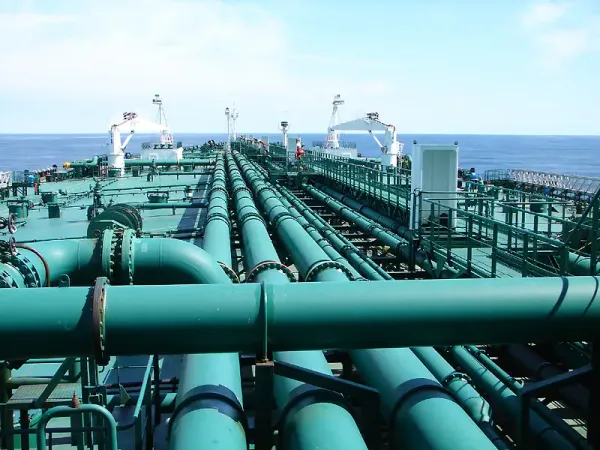
In Poland there are no signs of fuel panic or dramatic price hikes. The key to this apparent mystery lies in successful diversification.
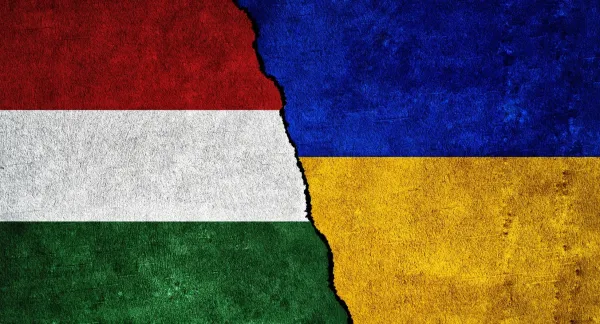
With Hungary's parliamentary elections set for 12 April 2026, the relationship between Budapest and Kyiv has deteriorated into one of the most explosive bilateral disputes in Europe.
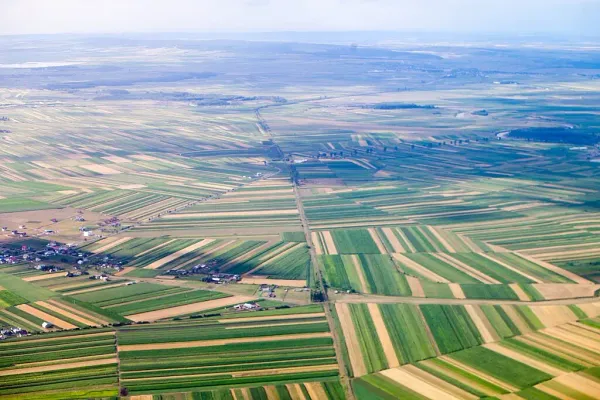
An overview of Romania’s agricultural sector - one of the more significant in the EU, both in terms of economic contribution and employment.
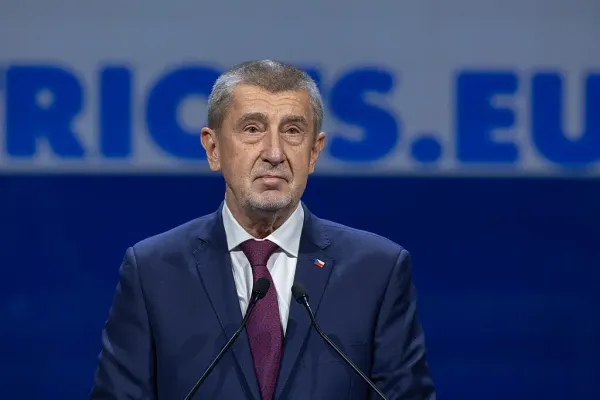
Czech lawmakers have voted to shield Prime Minister Andrej Babiš from criminal prosecution in a decade-old EU subsidy fraud case.

The Strait of Hormuz is thousands of miles from Budapest or Prague. Yet the crisis unfolding there is already hitting Central European drivers at the pump.
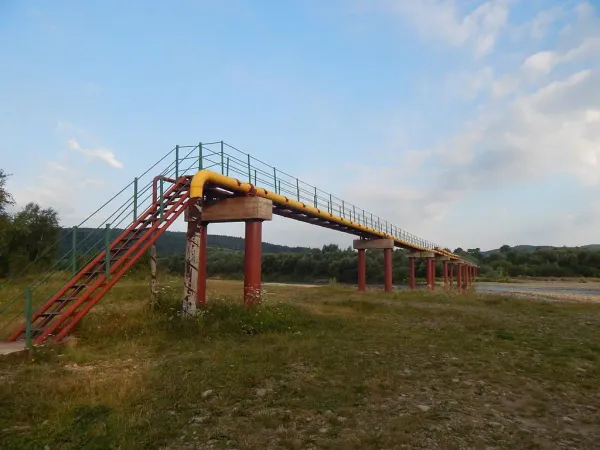
Oil still halted a month after a Druzhba pipeline strike, with Hungary and Slovakia blaming Ukraine for stalling repairs in a deepening row.
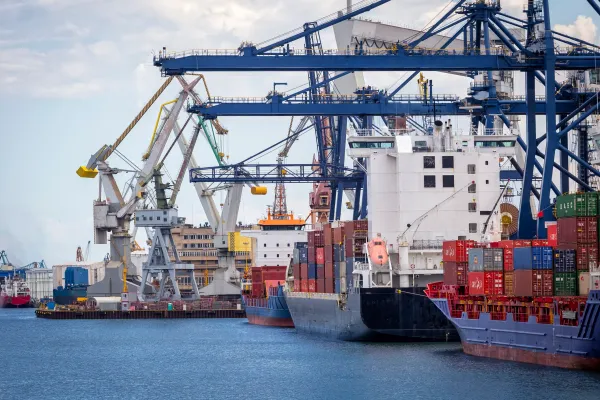
Poland has overtaken Spain in average income despite significantly longer EU membership.

To understand Czech agricultural policy, one must simultaneously examine economic factors, EU policies, and public-life conflicts centered around Andrej Babiš.