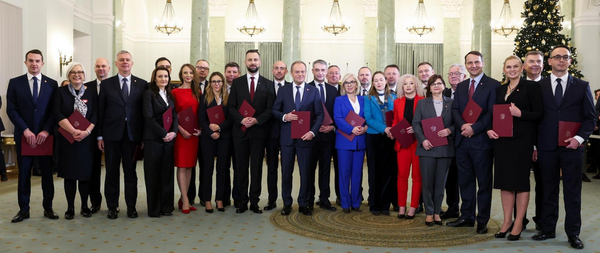
Government crisis in Poland?
One of Poland’s governing parties is splitting – but why, and what could this mean for the government?


One of Poland’s governing parties is splitting – but why, and what could this mean for the government?
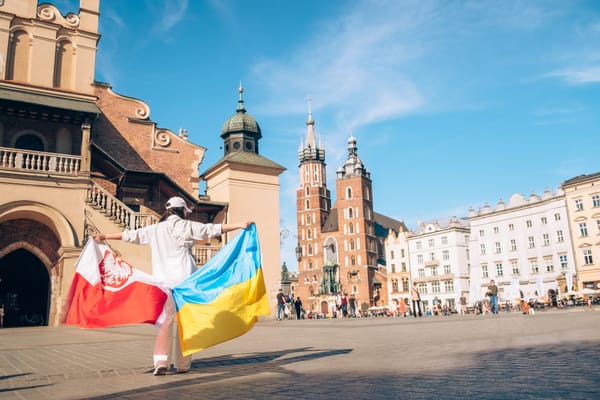
Significant changes have taken place both in the status of Ukrainian refugees in Poland.
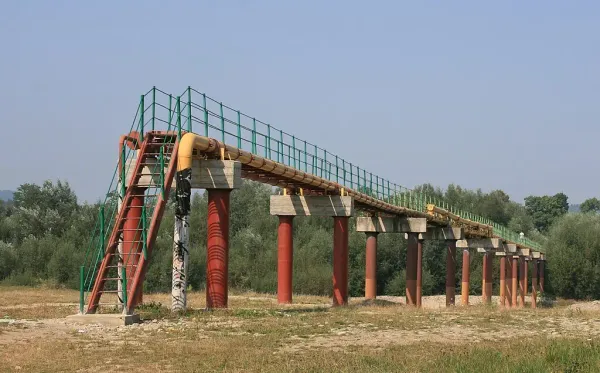
A closer look at the economic realities behind a potential switch from Druzhba to Adria — and whether it truly makes financial sense.
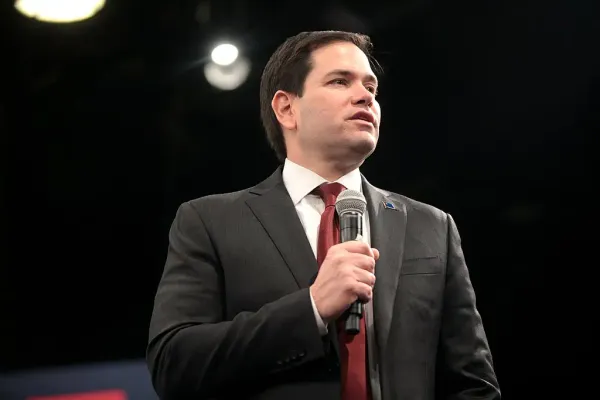
Following the U.S. Secretary of State’s partial regional tour, at least as many questions remain as the trip itself answered
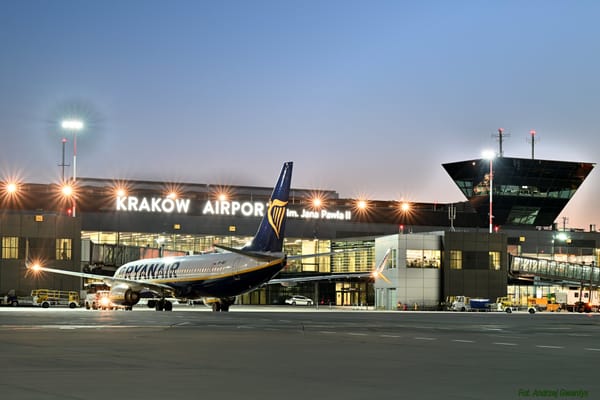
Among the large airports, Poland led the way in terms of passenger number growth in 2025, Airports Council International (ACI) data shows.
Poland’s rapidly developing agricultural sector is now competing in volume with the European Union’s largest agricultural producers.
In the second part of our energy overview, we present the Slovak energy system and its challenges

Inflationary pressures are easing, but the pace of price growth remains fast in the countries of Central and Eastern Europe.
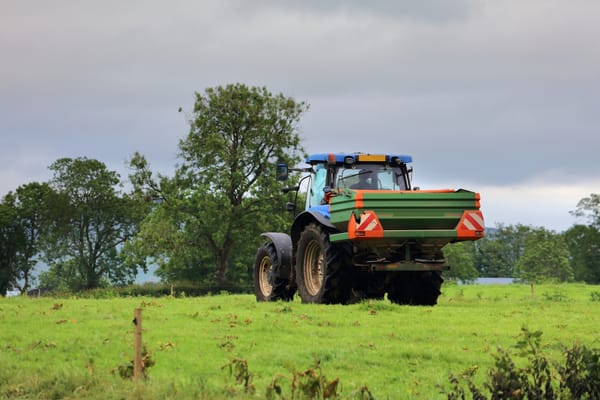
Central and Eastern Europe accounts for a disproportionate share of the EU’s arable land and cereal exports, cementing its role as the continent’s breadbasket. Yet the region’s agricultural output hinges on fertiliser supply, where energy costs and a small number of regional producers — led by Agrofert — play
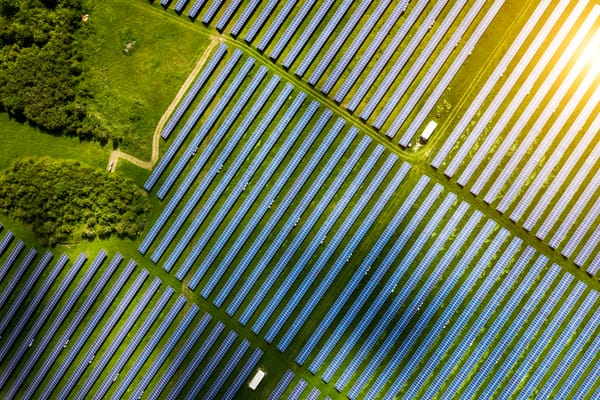
Hungary has chosen a unique path in designing its energy system, both in European and regional comparisons.

Poland delivered one of the strongest growth performances in the entire EU, while Hungary effectively stagnated for a third consecutive year.
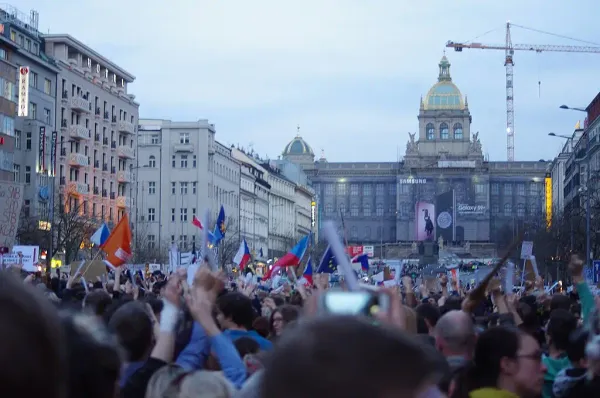
An alleged attempt to pressure President Petr Pavel over a cabinet pick has triggered one of the gravest institutional crises in years.
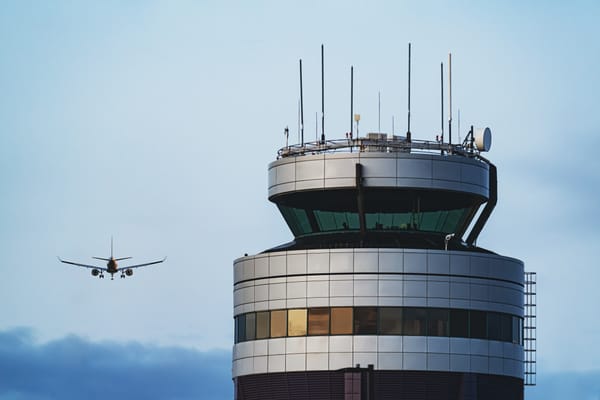
Central and Eastern Europe emerge as the engine of the European aviation traffic.
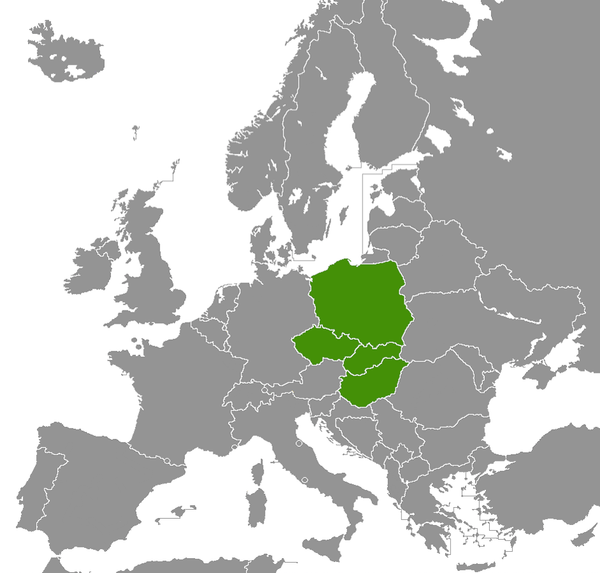
Debates on Roma communities have resurfaced regionally, amid controversy in Hungary, policy debates in Slovenia and politicization in Czechia, Slovakia.
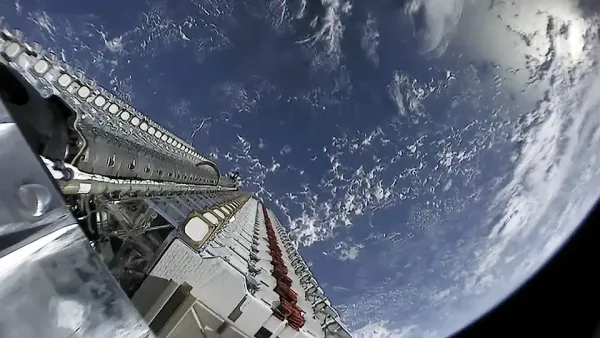
The media worldwide has picked up on the sharp exchange between Elon Musk and the Polish Foreign Minister regarding the war in Ukraine.