Taraba's three: how a group too small to be a caucus broke Fico's majority
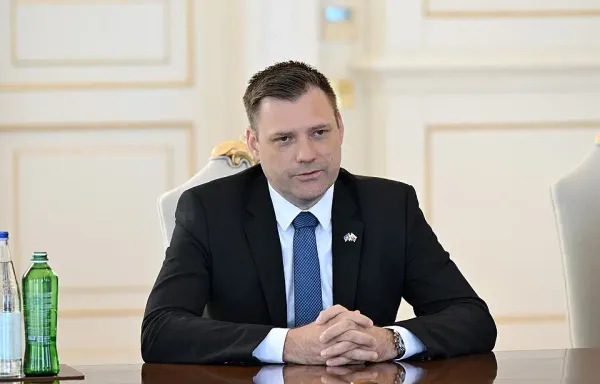
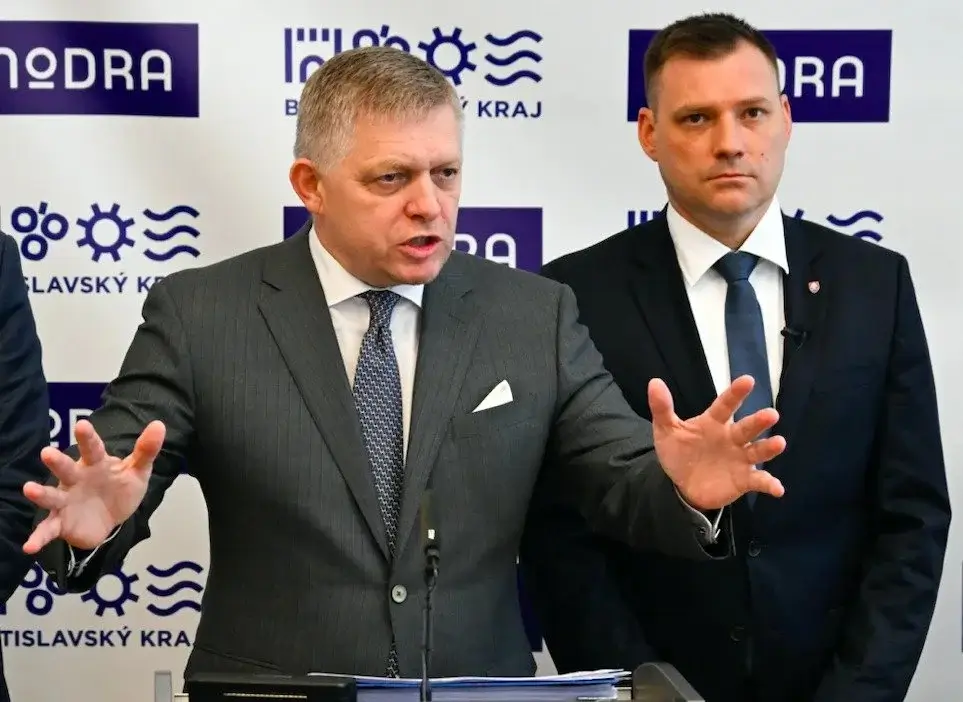
Robert Fico's governing coalition no longer commands a majority in Slovakia's National Council, and the man who took it away is the minister it fired. When parliament dismissed environment minister Tomáš Taraba through a no-confidence vote in late September, he warned that removing him would cost the coalition its slim majority. Within five weeks, he was proved right.
On 14 October parliament passed the 2027 state budget with 76 votes, the bare minimum for a majority of the 150-seat chamber. Of the 78 MPs who registered for the vote, 76 voted in favour. The two coalition-elected MPs who withheld support were Taraba and Peter Slyško, a deputy for Hlas, the centre-left party founded by President Peter Pellegrini and the second-largest party in Fico's coalition, who had quit the party and its caucus in early October to align with Taraba. The opposition, in protest, did not register for the vote, and its MPs shouted "shame" as the budget passed.
Down to exactly half
That margin disappeared on 3 November, when Roman Malatinec, an unaffiliated MP who had been voting with the coalition, announced he was joining the new party Taraba is founding.
The coalition can now count on 75 votes: exactly half the chamber, one short of the 76 needed for an absolute majority. Taraba's group numbers three MPs: Taraba himself, Slyško and Malatinec. Taraba insists he is not in opposition. When Slyško joined him, Taraba said the pair wanted a "fair discussion" with the coalition rather than to vote against the government.
First casualty: the "repentants" bill
The first bill to fall was an amendment to the Code of Criminal Procedure drafted by Justice Minister Boris Susko. It concerns the so-called kajúcnici, literally "repentants": defendants who cooperate with prosecutors and testify against others in exchange for lenient treatment. Prosecutors have relied on them heavily in corruption and organised-crime cases. The amendment would change the benefits such witnesses can receive and restrict how their testimony is used.
The opposition says the bill was written to help Tibor Gašpar, Smer's deputy speaker, who is on trial in a case built partly on such testimony. Gašpar denies it.
On 11 November it fell one vote short, 75 to 74 with one abstention, short of the 76 votes it needed, after Taraba's group voted with the opposition.
Both priorities stalled
The same day, 11 November, the coalition's other flagship stalled. Smer's bill would abolish postal voting for Slovaks abroad and require them to vote in person at the country's embassies and consulates, of which there are fewer than 70. It was not voted down. It lapsed because none of its sponsors, nor the rapporteur, were in the chamber when its turn came. It was the second time this session: the bill had lapsed the same way on 16 September.
Whether that was an accident is disputed. The opposition argues Smer let the bill lapse deliberately because it lacked a deal with Taraba's MPs, who refuse to back accompanying changes that would limit voters' ability to reorder candidates on party lists. Others blame disorganisation inside Smer, and one Smer MP conceded the bill is not currently a priority. Fico himself had
listed it the week before as one of the two bills the coalition still cared about before the end of the term. The other, according to opposition leader Michal Šimečka, was the repentants bill. Within a single day, neither had passed.
Smer is not giving up. The opposition says a twice-lapsed bill cannot return for six months, which would push it too close to next year's election. On 17 November the coalition-dominated constitutional committee backed Gašpar's reading that the bill only drops to the end of the current session, and Smer caucus leader Ján Richter wants it debated next week. Even if it reaches the floor, it faces the same arithmetic as the repentants bill. The opposition has already said it will turn to the Constitutional Court.
Published on 22 November, the first poll since Progressive Slovakia (PS) and the Democrats agreed to run on a joint list suggests that running together has not changed their combined support significantly. The joint list scored 24.1% in the Ipsos survey for Denník N, matching what the two parties had polled separately in mid-October. By Denník N's count, the pro-Western opposition would win a comfortable majority of 87 of the 150 seats: 42 for PS–Demokrati, 19 for Slovakia Movement, 14 for SaS and 12 for KDH. Smer and Hlas, the core of the governing coalition, would together hold 42 seats, the same as the PS–Demokrati list alone.
Not every pollster sees the opposition clearly ahead, though. SANEP for TA3 had Smer leading in September, 19.8% to 18.6%, and its October poll still showed Fico's party narrowly in front. INFOSTAT also had Smer ahead in early October, by half a point. Ipsos itself cautions that current preferences are not a forecast of the election result.
Kingmakers without a caucus
Three MPs are too few to form a parliamentary caucus in the National Council. Yet Taraba's group now holds the balance of power over the government's agenda. With the coalition at 75, any bill it cannot negotiate with Taraba can fail on a tied or near-tied vote.
What remains is a government that can still pass legislation the trio does not object to but can no longer push through contested priorities on its own. Fico has rejected early elections and says he intends to serve the full term. Progressive Slovakia leader Michal Šimečka says his party would vote for early elections even alongside Smer. Shortening the term, however, takes a constitutional majority of 90 votes, which neither camp can assemble without the other. For now, Slovakia's next year in politics may be decided less by Fico than by the man he dismissed.