This tag highlights content related to economic systems, trends, and impacts — including topics such as macroeconomic analysis, financial markets, economic policy, and sustainable growth.
Despite their export-driven economies and strong manufacturing bases, Central and Eastern Europe (CEE) countries may be more resilient to global trade tensions from US tariff policies, than previously assumed, ING bank writes in a new report.
Economies have shown resilience - ING
While CEE's close ties with Germany
The EU’s internal market is still falling short of its founding promise. Despite decades of integration, consumers across member states face uneven product quality and varied prices. This is due to regulatory fragmentation in two main forms: Territorial Supply Constraints and gold-plating. TSCs occur when suppliers block cross-border sourcing
The European Commission (EC) has chosen 47 strategic projects across the EU to reduce critical raw material dependency, with Czechia, Estonia, Poland, and Romania at the forefront, marking a significant boost to regional competitiveness amid intensifying geopolitical tensions.
The EC’s selections are critical to the industrial future of Central
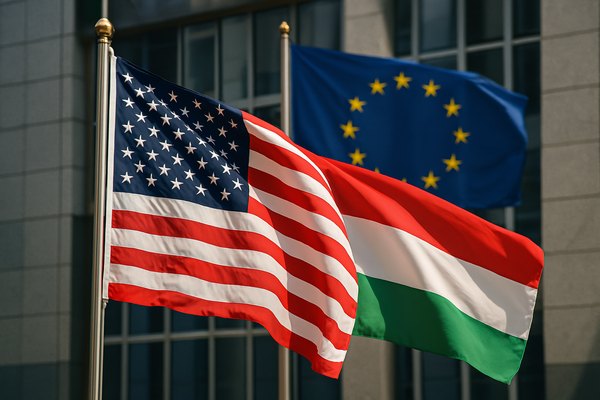
Hungary has broken ranks with the EU in response to the US's new tariffs policy, as Hungarian Prime Minister Viktor Orban seeks to preserve close ties with the Trump administration amid the resultant trade tensions.
Hungary pushes back on retaliatory tariffs
The EU confirmed on 9 April that
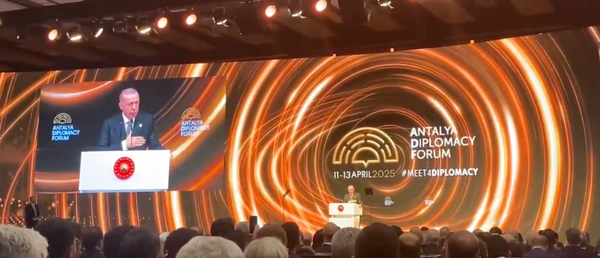
Attendees from Central and Eastern Europe (CEE) nations including Bulgaria, Hungary, Romania, Poland, Czechia, Slovakia, Moldova and others discussed policy priorities at the Antalya Diplomacy Forum in south west Turkey on 11-13 April.
The forum's theme "Reclaiming Diplomacy in a Fragmented World" set the tone for
When Croatia, Albania and Kosovo recently formed a new military alliance, Serbia and Hungary followed suit, reshaping the security situation in South East Europe.
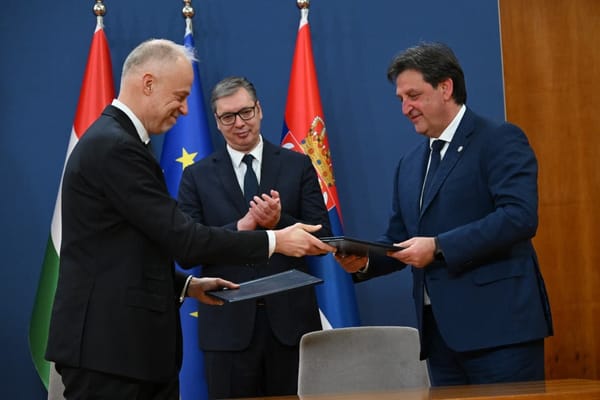
Serbian Defence Minister Bratislav Gasic and Hungarian Defence Minister Kristof Szalay-Bobrovniczky earlier this month signed a bilateral military cooperation agreement in the Serbian capital of Belgrade.
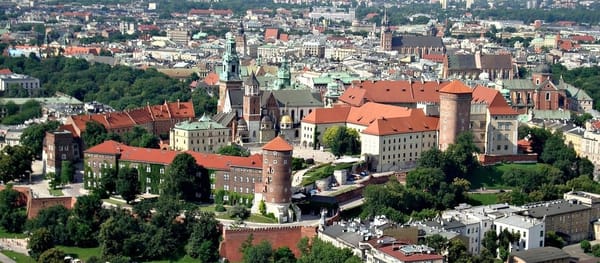
The city of Krakow, south Poland, saw nearly 1,900 group layoffs in the first quarter of 2025, almost equalling the total for all of 2024, local media reported, citing official data.
The dismissals, mostly affecting white-collar roles in finance, technology and business services, point to deeper structural changes in
Stock markets in Central and Eastern Europe (CEE) fell sharply after US President Donald Trump announced retaliatory tariffs on global imports on 2 April 2025, spooking the region's export-dependent economies and reviving fears of a wider economic slowdown.
CEE Stock Market Weekly Performance to 7 April 2025
Most
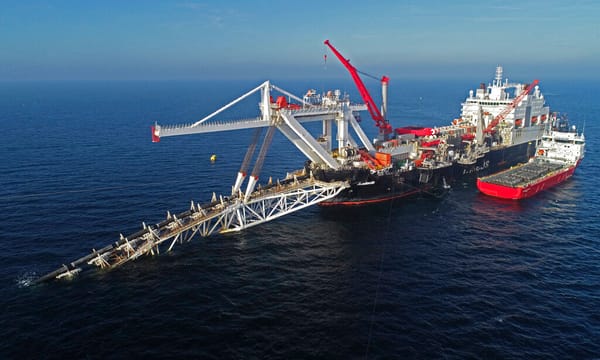
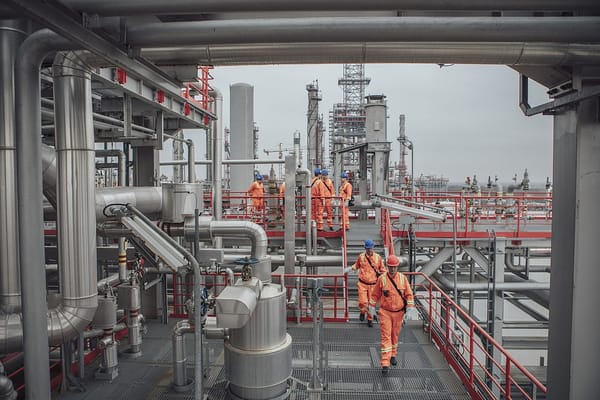
The US and Russia are discussing the potential reopening of the Nord Stream 2 gas pipeline, raising significant concerns across Europe, according to media reports.
The natural gas pipeline, which runs beneath the Baltic Sea, aimed to double Russian gas exports to Germany. However, it has remained inactive since its
Startups in Central and Eastern Europe (CEE) are growing faster than in Western Europe and the CEE startup ecosystem is now worth EUR 243bn, according to the CEE Startups 2025 report.
While funding and valuations have surged in recent years, structural challenges remain, including geographic fragmentation, uneven investor coverage, and
Romania and Poland have gender pay disparities among the lowest in the EU, according to Eurostat data published this month. In Central and Eastern Europe (CEE), Romania and Poland recorded the smallest gender pay gaps in 2023, at 3.6% and 4.5% respectively — both well below the EU average
European leaders met in Brussels on 20 March to confront a mounting policy dilemma: how to balance rearmament, the green transition, and economic competitiveness. The discussions come amid slowing growth, high energy costs, and growing strategic insecurity — all while EU fiscal rules remain in place.
At the heart of the
Croatian Economy Minister Ante Susnjar said state-owned oil pipeline operator Jadranski Naftovod (Janaf) could acquire Russia’s stake in Serbian oil company Naftna Industrija Srbije (NIS), calling the potential deal a “natural business symbiosis”, local media reported.
Janaf transports around 80% of the crude oil refined by NIS at its
The European Commission (EC) has launched an inquiry into state support provided by Hungary to Chinese electric vehicle (EV) manufacturer BYD, as part of a broader investigation into foreign subsidies distorting competition in the EU.
The preliminary probe, initiated on 19 March 2025, comes under the EU’s Foreign Subsidies
Central and Eastern Europe (CEE) is set for stronger economic growth in 2025, with GDP expected to expand by 2.6%, according to a report by Erste Group. The forecast marks an improvement from previous years, driven by higher consumer spending, increased investment, and inflows of EU funds.
Poland boosted