V4: the presidential summit did not bring a renaissance
Relatively little reliable information emerged from Wednesday’s V4 presidential meeting in Esztergom, Hungary, partly because most independent media outlets were not allowed to attend. Even so, it is clear that the participants were far from fully aligned - especially on the issue of the war in Ukraine.
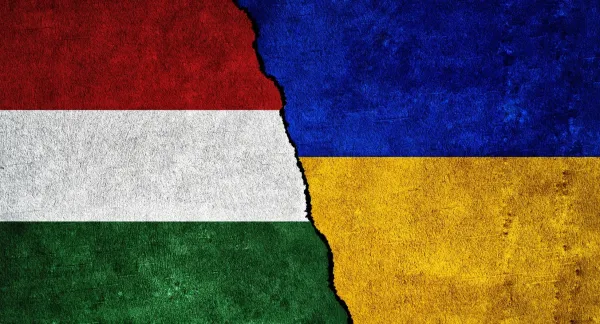
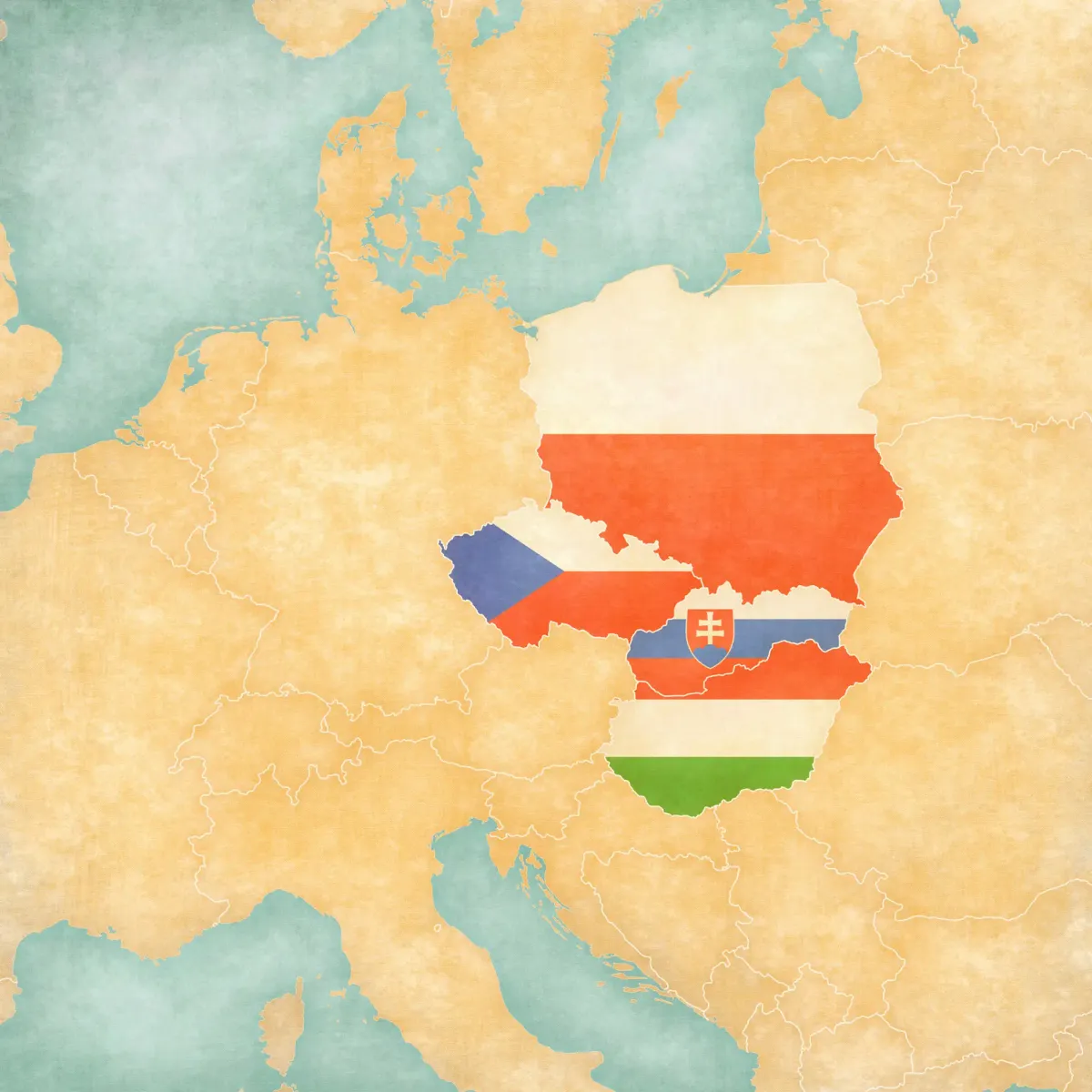
The presidents of the V4 countries gathered in Esztergom on the banks of the Danube. One of the goals—though not stated explicitly—was to breathe new life into the V4 cooperation, which has been practically stagnant for years. The biggest obstacle, however, was the same factor that previously stalled collaboration: deep disagreements regarding Russia’s aggression against Ukraine. Other, less consequential fault lines also surfaced, including migration policy, climate policy, and energy security.
Polish president Karol Nawrocki—who cancelled his planned bilateral meeting with the Hungarian side after Orbán’s visit to Moscow to meet Vladimir Putin—used the strongest language regarding Russia. Poland does not view the war as a bilateral Russian–Ukrainian conflict but as Moscow’s attempt to expand its influence in Europe. Nawrocki cited hybrid attacks, sabotage, and airspace violations, urging the V4 countries to strengthen transatlantic ties, since U.S. presence is, in his view, essential for regional security. In the field of energy, he stressed that thanks to its LNG terminals, Poland could supply gas to the region and thereby help reduce Russian energy dependence. On competitiveness, climate policy, and migration he argued that Central and Eastern Europe has its own perspective, which should be clearly communicated to Western partners.
Hungarian president Tamás Sulyok took a more reserved and less confrontational tone. He emphasized stability, shared historical foundations, economic development, and values-based cooperation, focusing mainly on technological, R&D, and demographic issues. He did not echo Nawrocki’s sharp rhetoric regarding Russia, instead highlighting the general importance of energy security. He also stressed the role of artificial intelligence, digital transformation, and innovation, presenting them both as potential security challenges and as areas for cooperation.
Slovak president Peter Pellegrini underlined the V4’s continued relevance, while acknowledging that the member states hold differing views on several issues. He said Slovakia’s goal is to preserve constructive cooperation. From an economic perspective, he pointed to high energy prices as a key challenge for European industry, arguing that competitive solutions must be found. On climate policy, he called for joint action—especially concerning the ETS (the EU Emissions Trading System) and automotive industry regulations.
Czech president Petr Pavel played a balanced, mediating role. He argued that the V4 should neither be overestimated nor written off. The four countries are interconnected through energy, transport, and economic links, which makes security consultations essential. Pavel stressed that competitiveness directly affects defence capabilities, and the V4 should work together to ensure that EU decisions better reflect their interests. He also emphasized the need for educational reform and adaptation to AI technologies.
All four presidents agreed that the International Visegrad Fund plays an important role in cultural, educational, and innovation cooperation, as well as in the region’s outreach to the Western Balkans. Nevertheless, differing views on Russian aggression, the urgency of diversifying energy sources, and the EU’s climate and migration policies remain the most significant dividing lines among the V4 countries.