From the Gulf to Central Europe: a distant conflict with close-to-home consequences
The Strait of Hormuz is thousands of miles from Budapest or Prague. Yet the crisis unfolding there is already hitting Central European drivers at the pump.
A collection of 413 posts
The Strait of Hormuz is thousands of miles from Budapest or Prague. Yet the crisis unfolding there is already hitting Central European drivers at the pump.
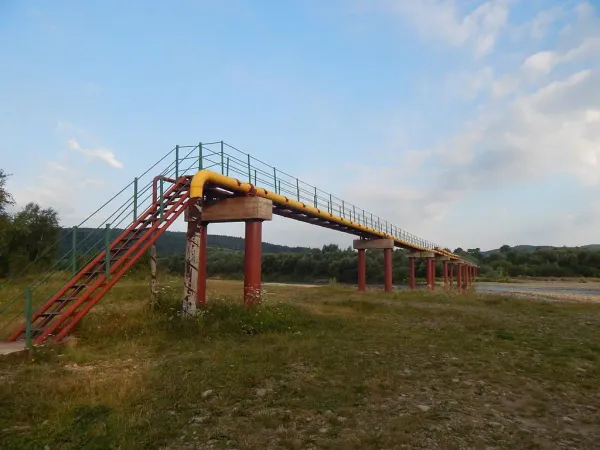
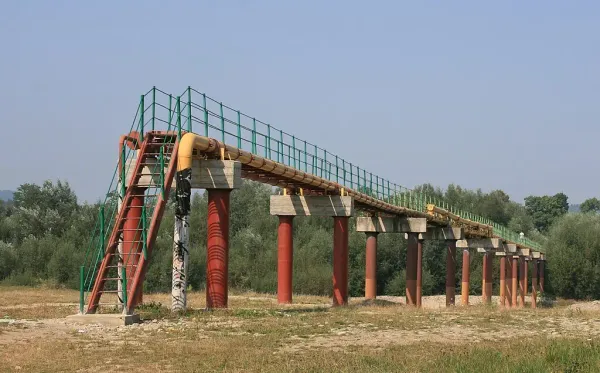
Oil still halted a month after a Druzhba pipeline strike, with Hungary and Slovakia blaming Ukraine for stalling repairs in a deepening row.
A closer look at the economic realities behind a potential switch from Druzhba to Adria — and whether it truly makes financial sense.
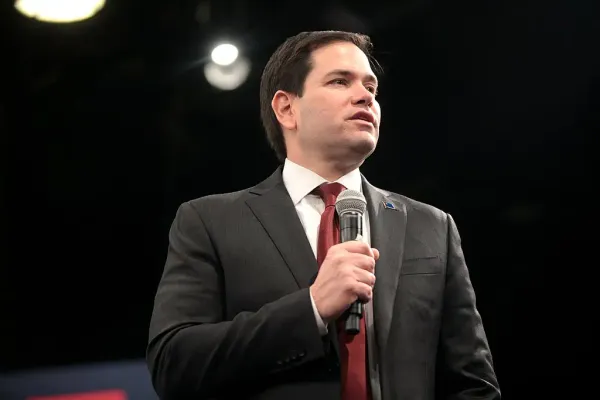
Following the U.S. Secretary of State’s partial regional tour, at least as many questions remain as the trip itself answered
Hungary has chosen a unique path in designing its energy system, both in European and regional comparisons.
Central and Eastern Europe emerge as the engine of the European aviation traffic.
Debates on Roma communities have resurfaced regionally, amid controversy in Hungary, policy debates in Slovenia and politicization in Czechia, Slovakia.
The issue of the Beneš Decree and the related Slovak–Hungarian disagreement have now appeared on the regional and European agenda as well.
While Hungary expressed enthusiastic support, several major European powers rejected Trump’s latest initiative, the so-called Board of Peace.
Hungary’s MOL nears a majority stake in Serbia’s NIS, bringing the Pančevo refinery and NIS assets under its control once U.S. sanctions lift.
Fiscal autonomy and access to EU funds allow Polish cities to develop dynamically, while Budapest and other Hungarian cities are constrained by the solidarity contribution.
Slovakia’s new criminal code triggered a constitutional challenge by the country’s Prosecutor General and ignited controversy at home and abroad.
Poland’s economic success lies in consistent reforms and smart EU fund use, while Hungary and Romania followed more volatile development paths.
Despite expectations, the EU–Mercosur deal was not signed and stances of CEE countries remain divided.
Administrative interventions are used to curb inflation in numerous CEE countries, with Hungary adopting the most market‑interfering measures.