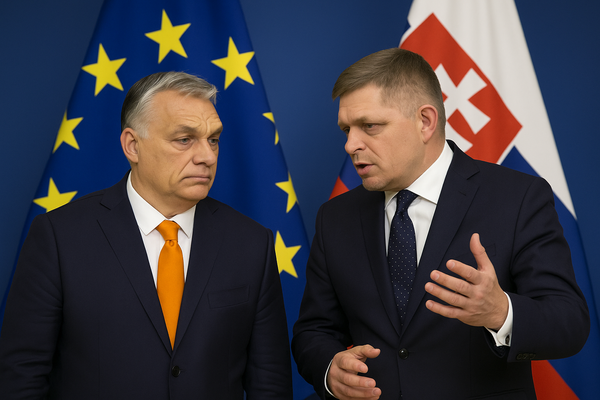
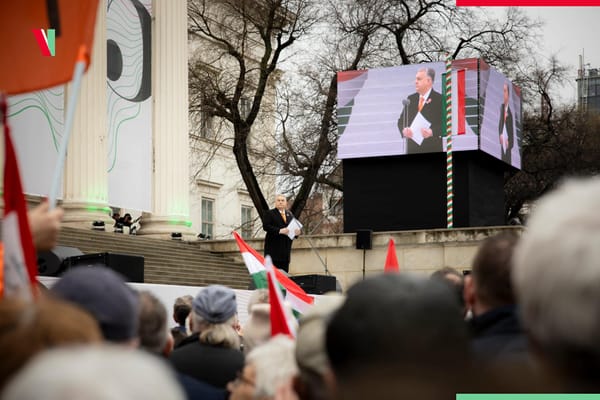
Hungary and Slovakia have emerged as the most vocal opponents of two of the EU’s most consequential reform proposals: plans to phase out Russian energy imports and to overhaul the bloc’s long-term budget to prioritise defence, climate and digital transition.
EU mulls ban of new Russian energy contracts
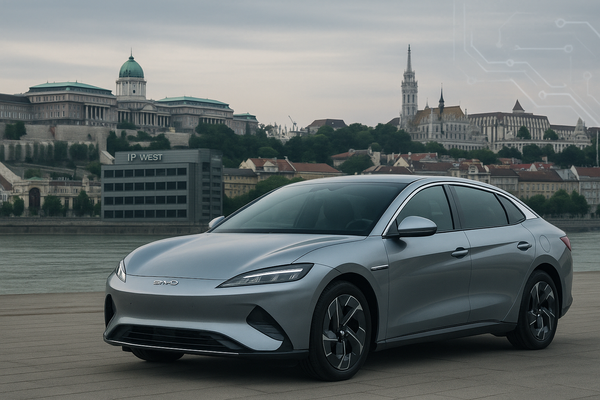
Chinese electric vehicle (EV) manufacturer BYD on 15 May signed an agreement with the Hungarian government to relocate its European headquarters to Budapest's 11th District, alongside two major research and development projects.
The announcement marks the latest phase in BYD's European expansion. Hungary's government
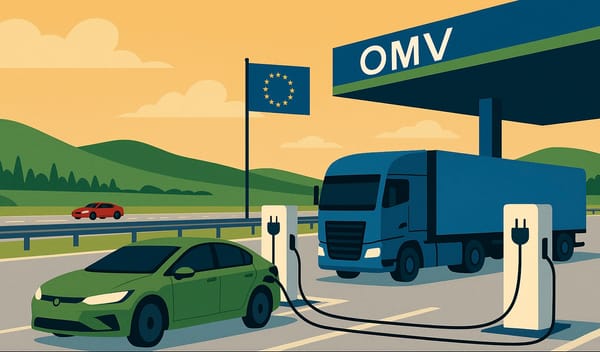
In a new step in the cleaner transport transition, OMV Petrom has inaugurated Romania's largest electric vehicle (EV) hub with 34 charging points of up to 400kW on the A1 motorway near Miercurea Sibiului, central Romania.
The site is located on the Rhine-Danube Corridor - one of Romania’
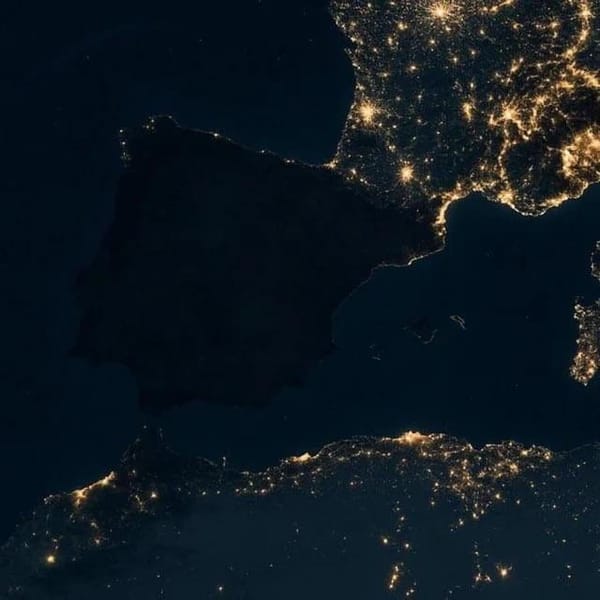
Hungary currently leads the world for share of solar energy in its energy mix, as it generated a quarter of its domestic electricity from photovoltaic panels in 2024. However, the recent massive blackout in Spain and Portugal served as a reminder of the challenges involved with high reliance on renewable
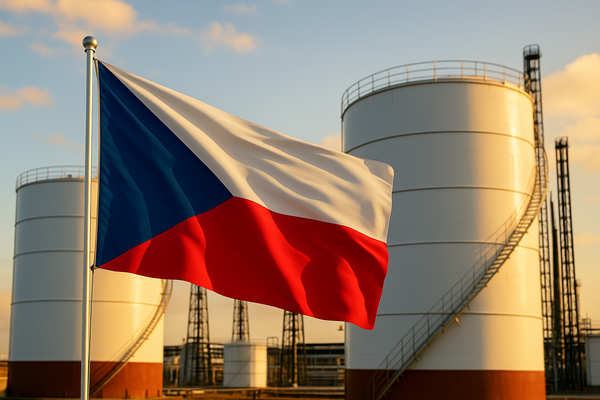
Czechia has halted imports of Russian crude oil delivered via the Druzhba pipeline for the first time in 60 years, Czech Prime Minister Petr Fiala announced in mid-April.
The milestone was enabled by the expansion of the Transalpine Pipeline (TAL), which connects the Italian port of Trieste to Austria and
Slovenia is at the centre of a strategic struggle between France and the US, as both nations seek to secure a contract to build the Krsko 2 nuclear reactor. The estimated EUR 11bn project aims to bolster energy security across Central and Eastern Europe (CEE) and align with Slovenia'
The European Commission (EC) has chosen 47 strategic projects across the EU to reduce critical raw material dependency, with Czechia, Estonia, Poland, and Romania at the forefront, marking a significant boost to regional competitiveness amid intensifying geopolitical tensions.
The EC’s selections are critical to the industrial future of Central
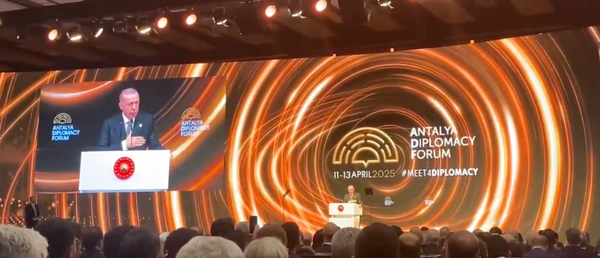
Attendees from Central and Eastern Europe (CEE) nations including Bulgaria, Hungary, Romania, Poland, Czechia, Slovakia, Moldova and others discussed policy priorities at the Antalya Diplomacy Forum in south west Turkey on 11-13 April.
The forum's theme "Reclaiming Diplomacy in a Fragmented World" set the tone for
When Croatia, Albania and Kosovo recently formed a new military alliance, Serbia and Hungary followed suit, reshaping the security situation in South East Europe.
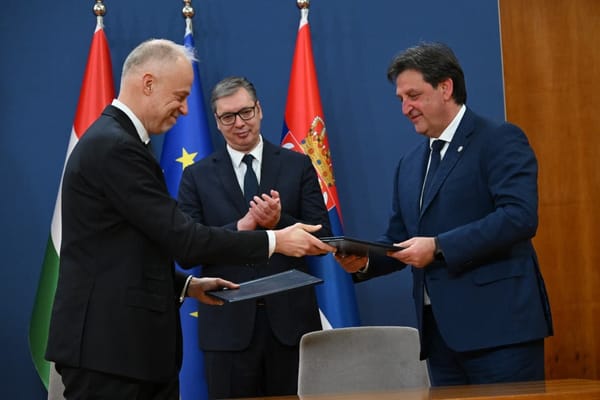
Serbian Defence Minister Bratislav Gasic and Hungarian Defence Minister Kristof Szalay-Bobrovniczky earlier this month signed a bilateral military cooperation agreement in the Serbian capital of Belgrade.
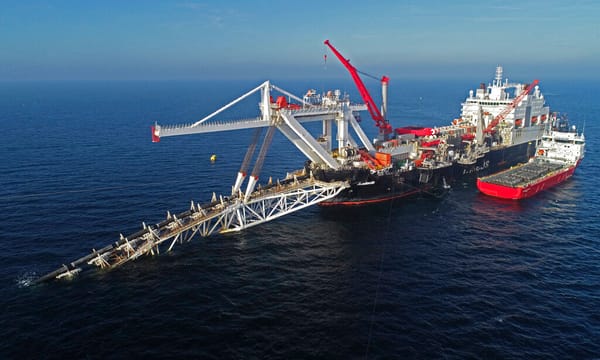
The US and Russia are discussing the potential reopening of the Nord Stream 2 gas pipeline, raising significant concerns across Europe, according to media reports.
The natural gas pipeline, which runs beneath the Baltic Sea, aimed to double Russian gas exports to Germany. However, it has remained inactive since its
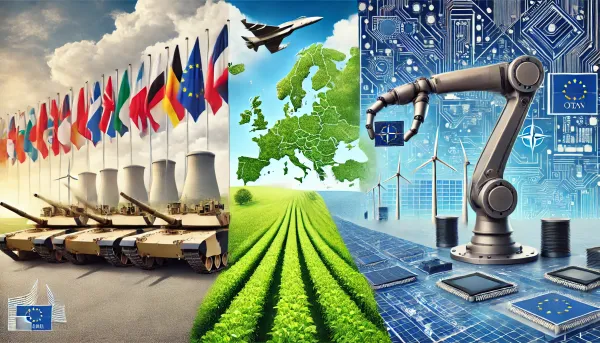
European leaders met in Brussels on 20 March to confront a mounting policy dilemma: how to balance rearmament, the green transition, and economic competitiveness. The discussions come amid slowing growth, high energy costs, and growing strategic insecurity — all while EU fiscal rules remain in place.
At the heart of the
Croatian Economy Minister Ante Susnjar said state-owned oil pipeline operator Jadranski Naftovod (Janaf) could acquire Russia’s stake in Serbian oil company Naftna Industrija Srbije (NIS), calling the potential deal a “natural business symbiosis”, local media reported.
Janaf transports around 80% of the crude oil refined by NIS at its
The European Commission (EC) has launched an inquiry into state support provided by Hungary to Chinese electric vehicle (EV) manufacturer BYD, as part of a broader investigation into foreign subsidies distorting competition in the EU.
The preliminary probe, initiated on 19 March 2025, comes under the EU’s Foreign Subsidies
As political landscapes shift across Central and Eastern Europe (CEE), governments are recalibrating their approaches to Ukraine, European security, and internal governance.
The region remains split between pro-European integration and nationalist, often pro-Kremlin, forces: Czechia and Poland reinforce their commitments to Ukraine, while Hungary and Slovakia align with Moscow.
Meanwhile,
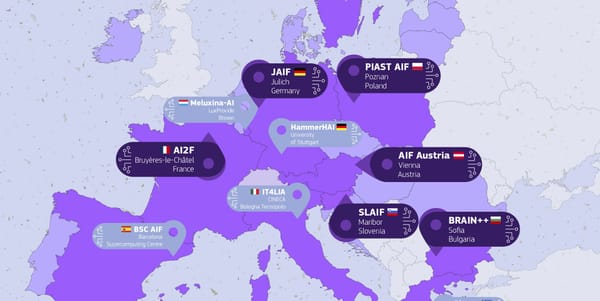
Central and Eastern Europe (CEE) is set to play a key role in the EU’s push to establish itself as a global leader in artificial intelligence under the new funding initiative Invest AI.
European Commission (EC) President Ursula von der Leyen announced the plan at the AI Action Summit