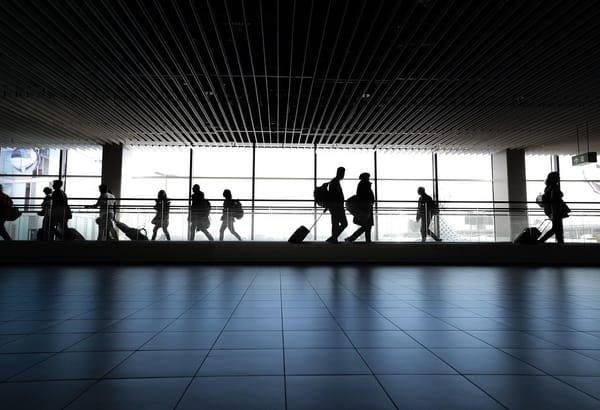
The commercial flight numbers of several Central and Eastern European (CEE) countries are closing in on their pre-pandemic levels faster than the EU average, according to new data reported by Eurostat.
When the EU’s official statistics office compared the number of flights made in March 2022 to those in
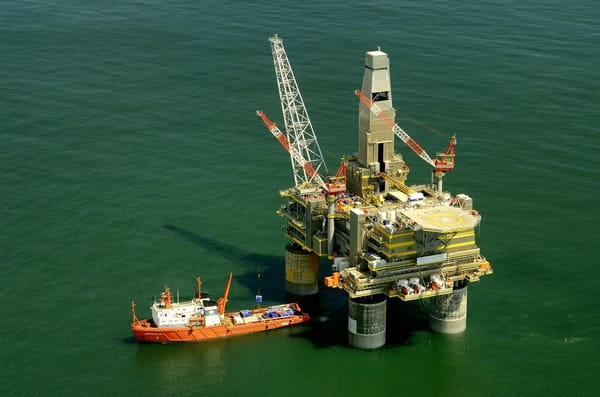
New sanctions on Russia’s oil and gas currently being discussed by EU leaders would impact several Central and Eastern Europe (CEE) countries much harder than their Western neighbours, a French government economic research institute estimates in its latest report.
In CEE, Lithuania, Bulgaria, Slovakia and Czechia could experience national
Estonia is providing the most aid to Ukraine by far in relation to its economic output, according to a new data tracker set up by the Kiel Institute for the World Economy.
The Baltic country has promised aid worth nearly 0.8% of its GDP, way ahead of Poland on
The Polish Finance Ministry confirmed on Thursday that the European Commission (EC) has paid Poland EUR 30 million less in EU funding over the country’s failure to pay European Court of Justice (ECJ) fines, in an unprecedented move.
The ECJ has so far levied EUR 200 million in penalties
Hungary cancelled a scheduled summit of defence ministers from the Visegrad 4 (“V4”) group of EU member states – Czechia, Hungary, Poland and Slovakia – on Tuesday. The defence ministers of both Czechia and Poland signalled they would not attend the gathering, scheduled for 30-31 March, due to Hungary’s stance on
Czechia’s Ministry of Defence says 100,000 Czechs have coughed up over EUR 27 million through a crowdfunding campaign which began last month to send weapons to Ukraine, writes Prague Morning. Funds from the campaign, intended for weapons and military supplies, are being sent directly to Ukraine’s embassy
A theatre sheltering 1,200 civilians in the Ukrainian city of Mariupol was bombed on Wednesday night. An estimated 400,000 residents in the southern port city are still without running water, electricity and gas, and unable to leave. Hundreds of patients and staff are still being held captive in
The BBC reported that Russian troops were holding 400 doctors and patients captive in a hospital in the coastal city of Mariupol on Tuesday evening. In a separate development, the city’s local authorities said that around 2,000 cars were able to leave the besieged city, and the ICRC
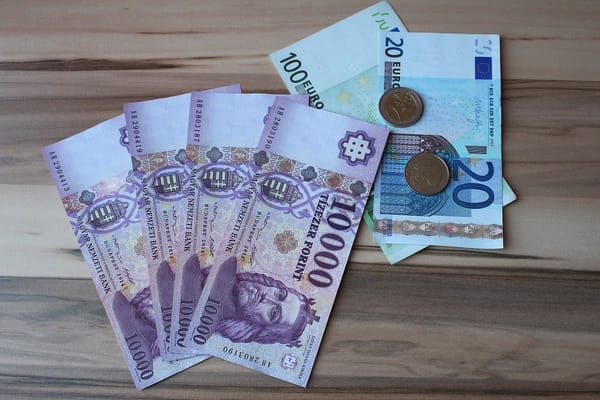
While the Hungarian forint was hardest hit, all the currencies of the Central and Eastern Europe (CEE) region are suffering adverse effects as a result of the war in Ukraine. Proximity to the war zone, dependence on Russian gas and the impact of EU sanctions combined to commence the CEE
The Guardian reports that on Wednesday morning US time Vice President Kamala Harris was travelling to Poland, where she’ll meet Poland’s President and Prime Minister, on a trip to “further support to our allies and is also an extremely important opportunity to collaborate with them on next steps
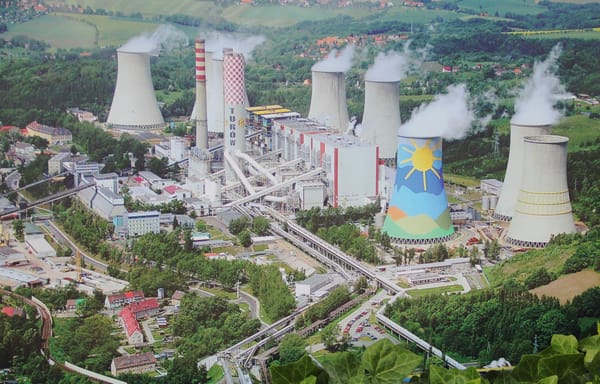
Though united in their commitment to European and NATO positions on the Russian invasion of Ukraine, Central and Eastern European (CEE) countries differ on their potential exposure to Russian gas supplies – a CET analysis.
At time of writing, the Russian army is intruding into the heart of Kyiv and residents
Global news organisations are reporting that Russia launched a full-scale invasion of Ukraine in the early morning hours of Thursday, 24 February, bombing targets across the country and sending in troops. Ukrainian President Volodymyr Zelenskyy has declared martial law in his country. Promising that the world will hold Russia accountable,
United Nations Security Council members condemned Russia’s order to deploy troops to Donetsk and Luhansk after Russian President Vladimir Putin declared them independent, on Monday. Speaking on state television, Putin said “I deem it necessary to make a decision that should have been made a long time ago – to
As the stand-off between Russia and Ukraine continues, for countries within Central and Eastern Europe (CEE) it has spurred a flurry of activity, including troop movements among members of the NATO alliance to bolster their defenses. The Baltic News Network writes that Lithuania’s Ministry of Defense confirmed that a
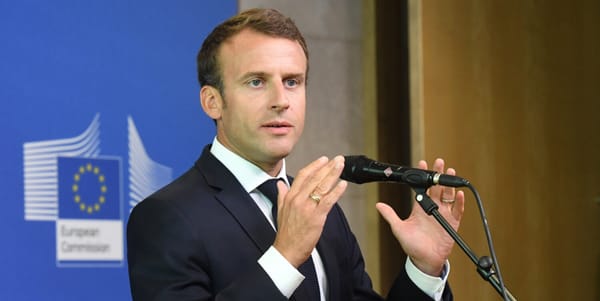
French President Emmanuel Macron’s tenure as EU President is already looking historic for Europe, only two months in. Macron promised that the rule of law mechanism would be introduced during his six-month term, pledging “a presidency that promotes values which define us”, and has been at least partly vindicated