New waste incinerator: Warsaw follows the Scandinavian model
Warsaw has opened the city’s new waste-to-energy plant, which can incinerate over 300,000 tons of solid waste annually, nearly one-third of the city’s total waste production.
A collection of 151 posts
Warsaw has opened the city’s new waste-to-energy plant, which can incinerate over 300,000 tons of solid waste annually, nearly one-third of the city’s total waste production.
Poland’s education system, reformed in the 2000s, faces a new overhaul, fueling tensions between the government and the right-leaning president.
Despite expectations, the EU–Mercosur deal was not signed and stances of CEE countries remain divided.
Administrative interventions are used to curb inflation in numerous CEE countries, with Hungary adopting the most market‑interfering measures.
Recent corruption revelations in Ukraine and institution restructuring in Slovakia brings renewed attention to anti-corruption bodies in CEE.
Fidesz’s recovery stalls as a new 21 Kutatóközpont poll shows Tisza Party gaining ground ahead of Hungary’s 2026 election.
Policy reforms now allow the pension authority to retroactively review contributions and question their legality.
Romania’s Ministry of National Defence has announced plans for a wide-ranging modernisation of the armed forces.
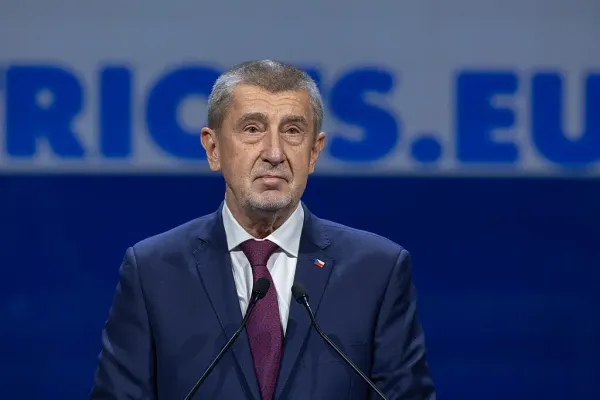
Babiš has been officially appointed the Czech Prime Minister for the third time, following his ANO party’s success in the October 2025 elections.
Wizz Air transformed CEE aviation since its 2003 founding by delivering ultra-low-cost, point-to-point flights from secondary airports, slashing fares and expanding connectivity.
From a post-communist economy to a European powerhouse, Poland is now seeking a role in global politics.
Slovakia’s debate over the Beneš decrees resurfaces grievances about postwar property rights while serving new aims in domestic political bargaining.
Babiš unveiled a plan to resolve the Agrofert conflict of interest, a step required to secure his appointment as Prime Minister.
The presidents of the V4 countries gathered in Esztergom —but the differing views on Russian aggression undermines regional unity.
Support for EU membership in Poland remains high, but the share of those who would favour leaving the Union now exceeds 10 percent.