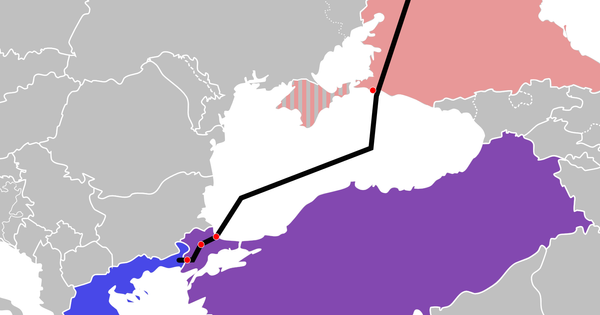
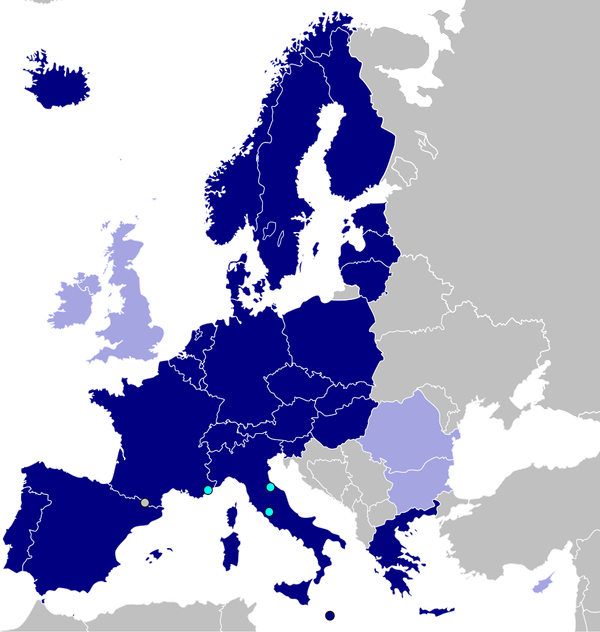
The Bulgarian Parliament, with cross-party support, swiftly abolished a special tariff on Russian transit gas this week, after Hungary threatened to veto its Schengen membership bid.
Hungarian Foreign Minister Peter Szijjarto said Bulgaria’s decision to impose an additional tax on natural gas transiting through its territory to North Macedonia,
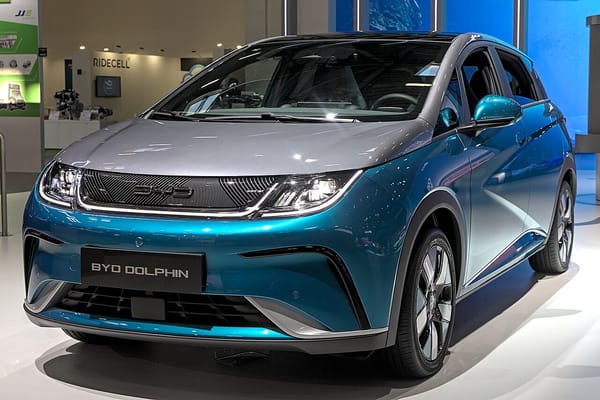
After months of speculation, Hungarian Foreign Minister Peter Szijjarto announced that China’s BYD will build its first electric vehicle (EV) factory in Europe in Szeged, south Hungary.
The investment value will reach EUR 5bn, significantly more than the EUR 3bn intended for the construction of China’s CATL’s
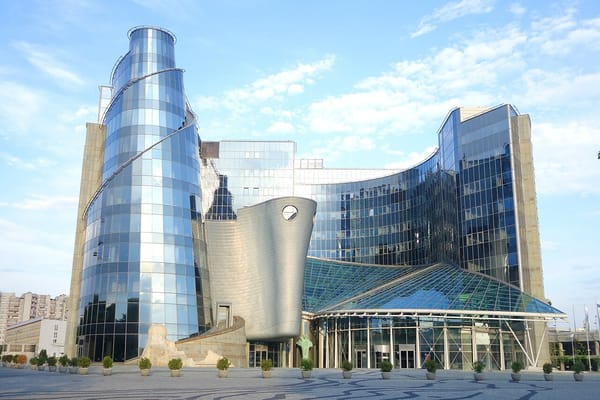
Polish President Andrej Duda, an ally of the outgoing right-wing populist party Law and Justice (PiS), announced that he will veto the public-media-related parts of the 2024 budget of new Polish Prime Minister Donald Tusk’s government, on Saturday, 23 December.
Duda, in power for the next 18 months, tweeted:
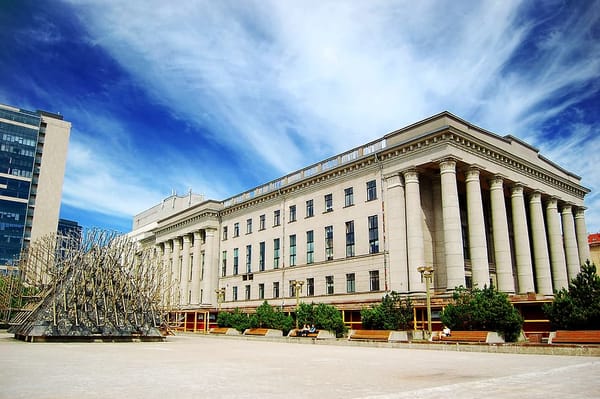
Lithuania MPs are considering new legislative amendments that would impose a language requirement on foreign nationals seeking to extend their temporary residence permits after living in Lithuania for five years, potentially causing problems for businesses.
The proposed changes would also prevent foreigners from changing their jobs within six months of
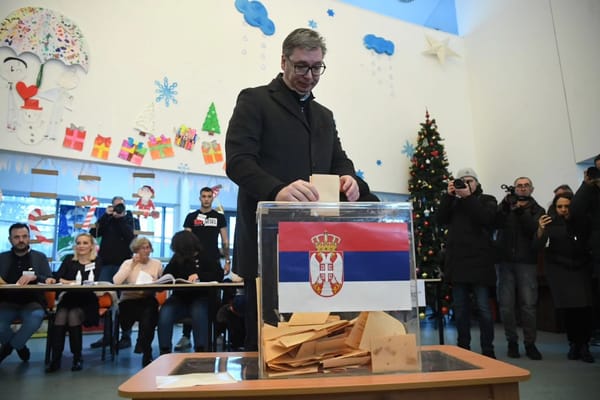
In the Serbia national parliament election, the right-of-centre SNS (EPP)-led multiparty alliance, led by Aleksandar Vucic was leading with 46.3% on Sunday, 17 December, with 90.3% of the CeSID/Ipsos count completed.
This seemingly marks the sixth consecutive election victory for an SNS-led list, showing a 3.
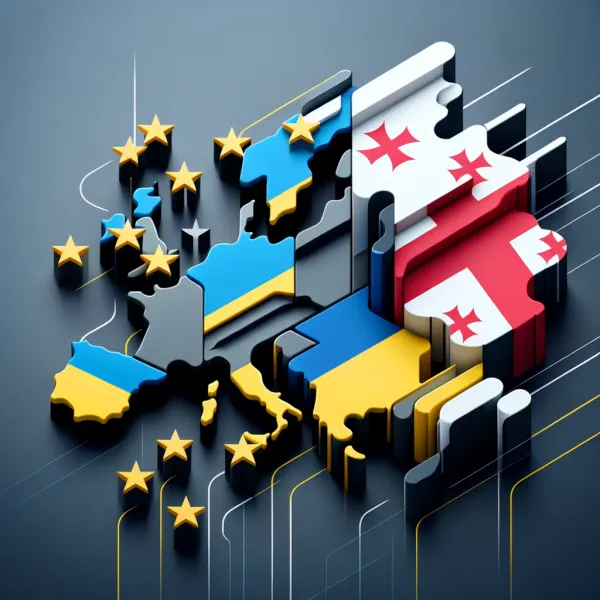
EU leaders voted to begin accession negotiations with Ukraine and Moldova, at a historic summit in Brussels on Thursday 14 December. The EU meanwhile designated Georgia – also a former Soviet republic – as a candidate for membership, a significant shift in the EU’s level of engagement with post-Soviet states.
President
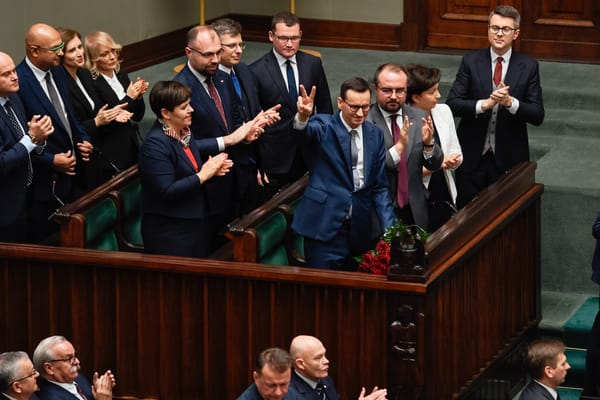
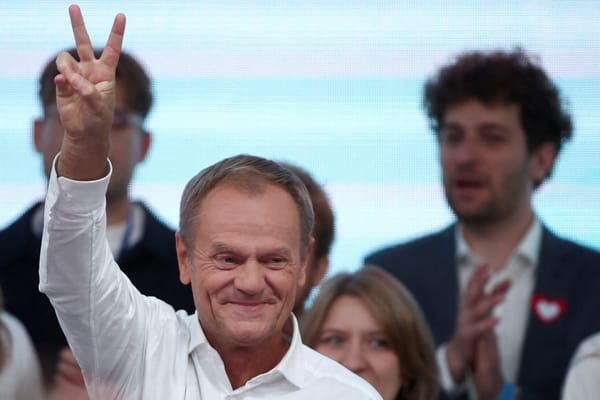
Donald Tusk was elected as Poland’s prime minister as his government won a vote of confidence in the parliament on Tuesday, 12 December. “Poland is back in Europe,” the country’s new prime minister, Donald Tusk, said in Brussels. “This is the most important moment of my political career.
Polish Prime Minister Mateusz Morawiecki lost a vote of no confidence on Monday 11 December, effectively marking the end of eight years of governance by the nationalist Law and Justice (PiS) party.
The political landscape is now set to change with the emergence of a broad coalition of pro-EU parties,
In recent months, Austria’s stance on Romania and Bulgaria’s Schengen Area accession has been shifting, particularly in terms of air travel.
Now Austria has proposed a conditional easing of its stance via “Air Schengen,” an initiative that would allow passport-free air travel for these two countries while maintaining
The fourth Budapest Climate Summit on December 4, brought together over 40 speakers from 25 countries to discuss climate change challenges and opportunities in Central and Eastern Europe (CEE).
At the summit, Attila Steiner, Hungary’s State Secretary of Energy and Climate Policy, spoke about Hungary’s achievements in reducing
In a decisive transition, Poland bids farewell to the Law and Justice (PiS) party’s tumultuous eight-year reign as Donald Tusk prepares to resume leadership, promising a revolution in domestic politics and the nation’s global relations.
Tusk emphasised the need to restore the rule of law and avoid further
Serbia will head up the Central European Free Trade Agreement (CEFTA) in 2024 and boost regional connectivity and trade relations to benefit economies and people’s quality of life, Serbian Trade Minister Tomislav Momirovic said at the CEFTA Week 2023 conference in the Montenegrin capital of Podgorica on Thursday. With
Bulgarian populist formation There Is Such a People (ITN) has declared its intention to align with the centre-right European Conservatives and Reformists (ECR) if it wins seats at the EU elections next June. Formed 2 years ago and currently polling at around 5%, ITN stands a real chance of securing
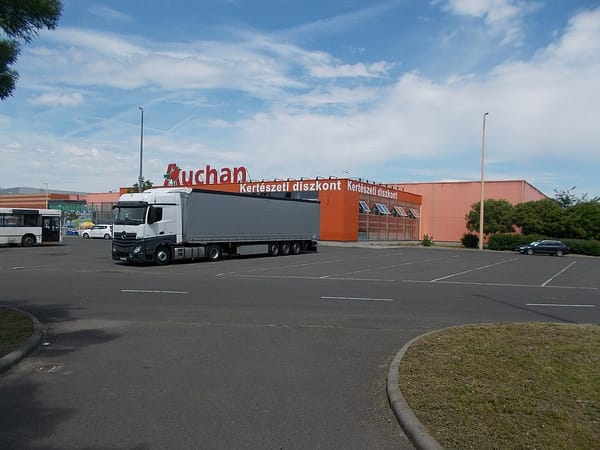
Hungary’s Indotek Group acquired a 47% stake in the French grocery hypermarket chain Auchan last week. Group founder-owner Daniel Jellinek, one of Hungary’ s richest men, said Auchan could realistically now become a top-three player on the Hungarian retail market. It is currently the ninth largest retail chain in
The EU has selected seven projects to co-fund 5G transport corridors connecting regions throughout Europe, improving road, rail, inland waterways, and multimodal transport. They will support 5G infrastructure deployment over cross-border sections of 5G corridors and ensure service continuity when border crossing.
Central and Eastern Europe (CEE) is well represented