Sky-high clash: What’s Elon Musk’s issue with Poland?
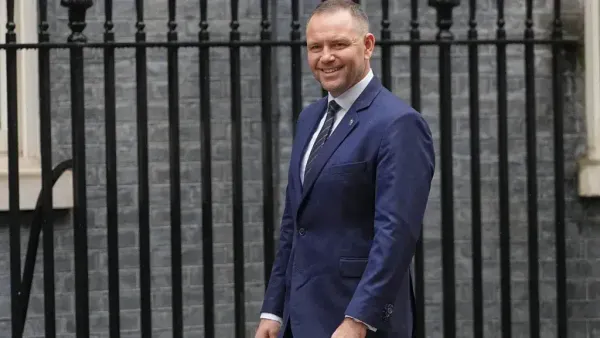
The media worldwide has picked up on the sharp exchange between the world’s richest person, Elon Musk, and the Polish Foreign Minister regarding the war in Ukraine. But what exactly did the two parties disagree on, and what does Musk have to do with Polish security policy?
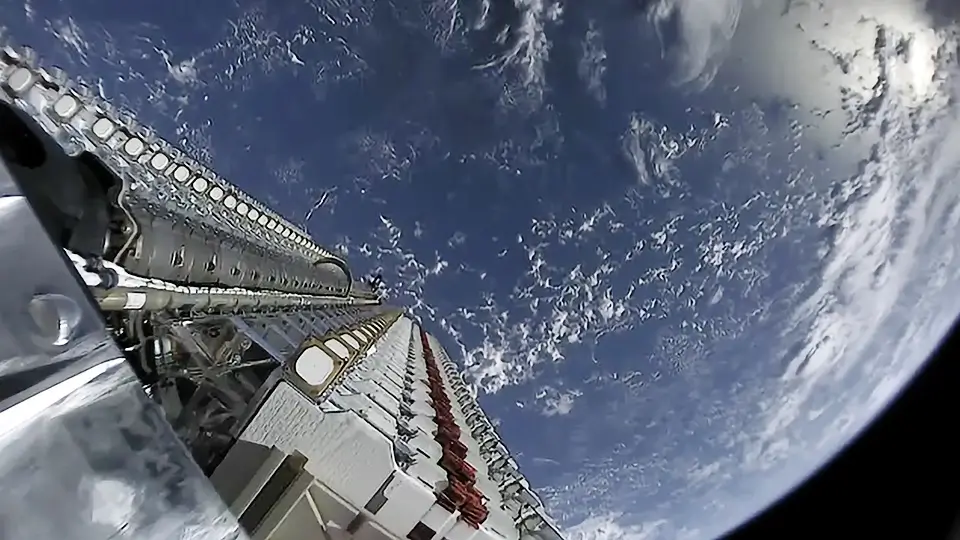
At the center of the dispute between Poland and Elon Musk is the Starlink satellite internet service operated by SpaceX, which has played a critical role in both military and civilian communications in Ukraine since the start of the Russia–Ukraine war. Polish Foreign Minister Radosław Sikorski has repeatedly emphasized that Starlink’s use in Ukraine is not a donation from Musk, but is funded by the Polish government, at an annual cost of tens of millions of dollars.
The public conflict escalated when Sikorski claimed that Russian military units and drone operators also have access to Starlink terminals, and that these systems could indirectly contribute to attacks. In this context, the Polish foreign minister stated that Starlink is “profiting from war crimes” and called on Musk to block Russian access.
Elon Musk’s responses on X were particularly sharp. In several posts, he claimed that “Starlink is the backbone of the Ukrainian army” and warned that turning off the system would lead to the rapid collapse of the Ukrainian front. When Sikorski indicated that Poland might seek an alternative provider, Musk adopted a personalized, offensive tone, insulting the Polish foreign minister multiple times.
The personal dimension of the conflict was further intensified when Musk previously referred to Sikorski as a “Soros puppet”, adding a political edge to an otherwise technological and security policy dispute.
Musk later attempted to ease tensions, stating that he does not plan to shut down Starlink terminals in Ukraine and that he does not intend to use the service as a tool for political pressure. This was reported in Poland by Polsat News:
The Polish side also pointed out that publicly available footage shows Russian soldiers using Starlink terminals, which further strengthened Warsaw’s call for stricter technical controls.
The issue escalated to the level of international diplomacy when U.S. Secretary of State Marco Rubio criticized Sikorski, saying that Poland should be grateful for Starlink’s role and stressing that without the system, Ukraine’s defensive capabilities would drastically decline.
The Musk–Sikorski dispute goes beyond the functioning of a technological service and highlights a structural problem: the responsibilities that fall on global private companies when their products become strategically significant in a war environment, and the extent to which state actors can or will intervene in their operation.