
Regional economic snapshot: Poland pulled ahead, Hungary fell behind
Poland delivered one of the strongest growth performances in the entire EU, while Hungary effectively stagnated for a third consecutive year.

A collection of 185 posts
Poland delivered one of the strongest growth performances in the entire EU, while Hungary effectively stagnated for a third consecutive year.
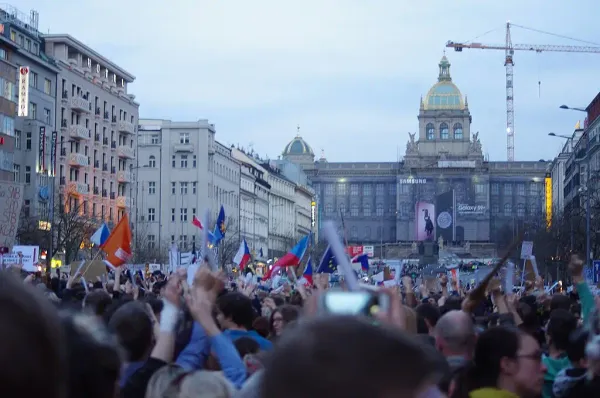
An alleged attempt to pressure President Petr Pavel over a cabinet pick has triggered one of the gravest institutional crises in years.
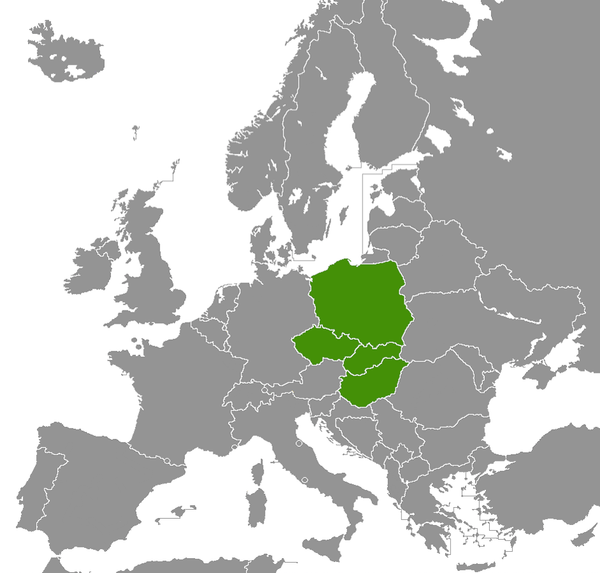
Debates on Roma communities have resurfaced regionally, amid controversy in Hungary, policy debates in Slovenia and politicization in Czechia, Slovakia.

The media worldwide has picked up on the sharp exchange between Elon Musk and the Polish Foreign Minister regarding the war in Ukraine.

As Hungary and Romania face higher interest burdens, Czechia, Slovakia and Poland benefit from stronger institutional and financing frameworks.
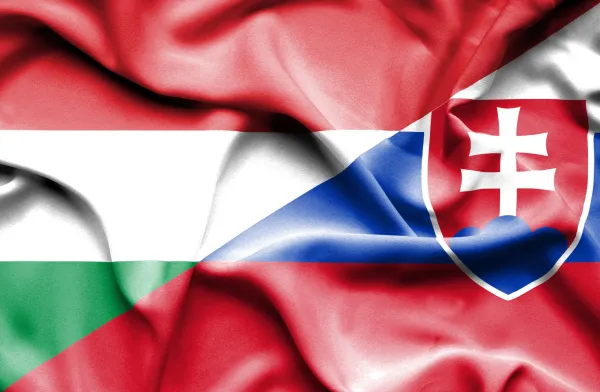
The issue of the Beneš Decree and the related Slovak–Hungarian disagreement have now appeared on the regional and European agenda as well.
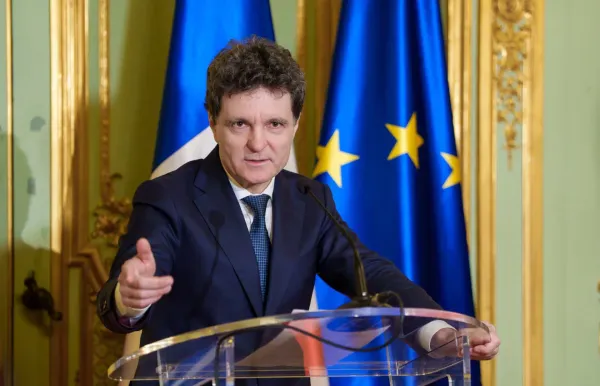
Nicușor Dan said the United States remained a vital strategic partner for Romania’s security.
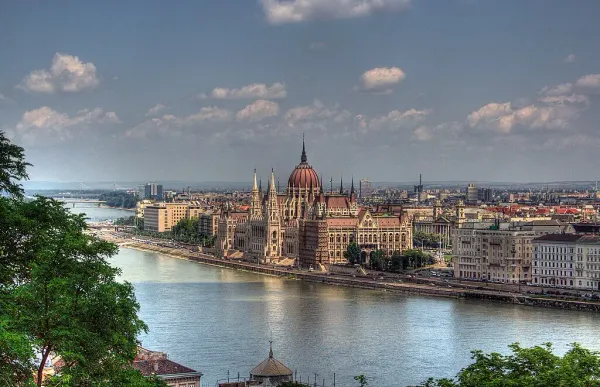
While Hungary expressed enthusiastic support, several major European powers rejected Trump’s latest initiative, the so-called Board of Peace.
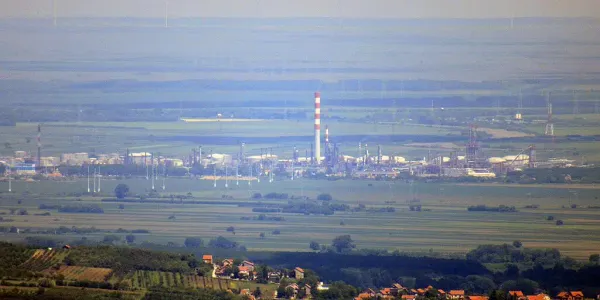
Hungary’s MOL nears a majority stake in Serbia’s NIS, bringing the Pančevo refinery and NIS assets under its control once U.S. sanctions lift.
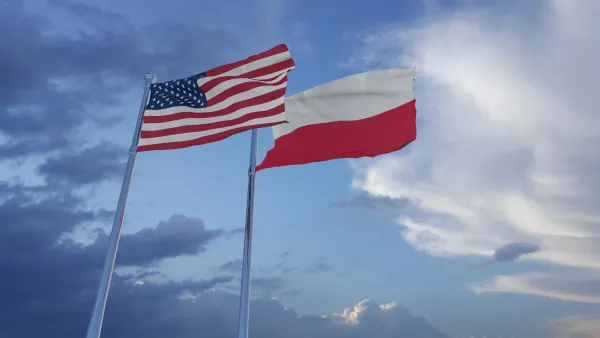
In Poland, many fear the country could be caught between two fires if the United States were to take concrete steps toward acquiring Greenland.
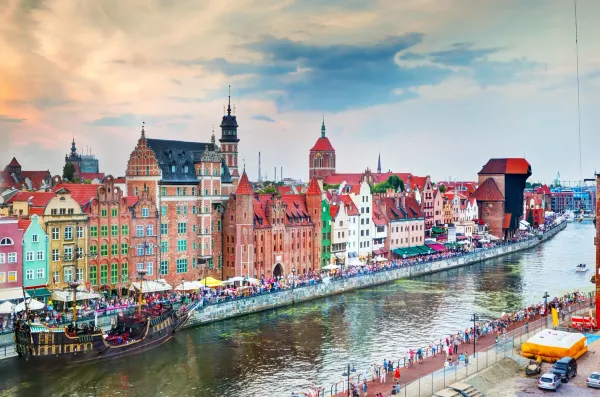
Fiscal autonomy and access to EU funds allow Polish cities to develop dynamically, while Budapest and other Hungarian cities are constrained by the solidarity contribution.

Contrary to initial interpretations, Czech ammunition deliveries to Ukraine have not been suspended and are continuing.
Only Poland has strong structural reasons for concern, while Hungary, Czechia and Slovakia stand to benefit from expanded industrial exports.

Using fake advertisements featuring real public figures, they defrauded hundreds of people, in some cases of sums running into several million.
Slovakia’s new criminal code triggered a constitutional challenge by the country’s Prosecutor General and ignited controversy at home and abroad.