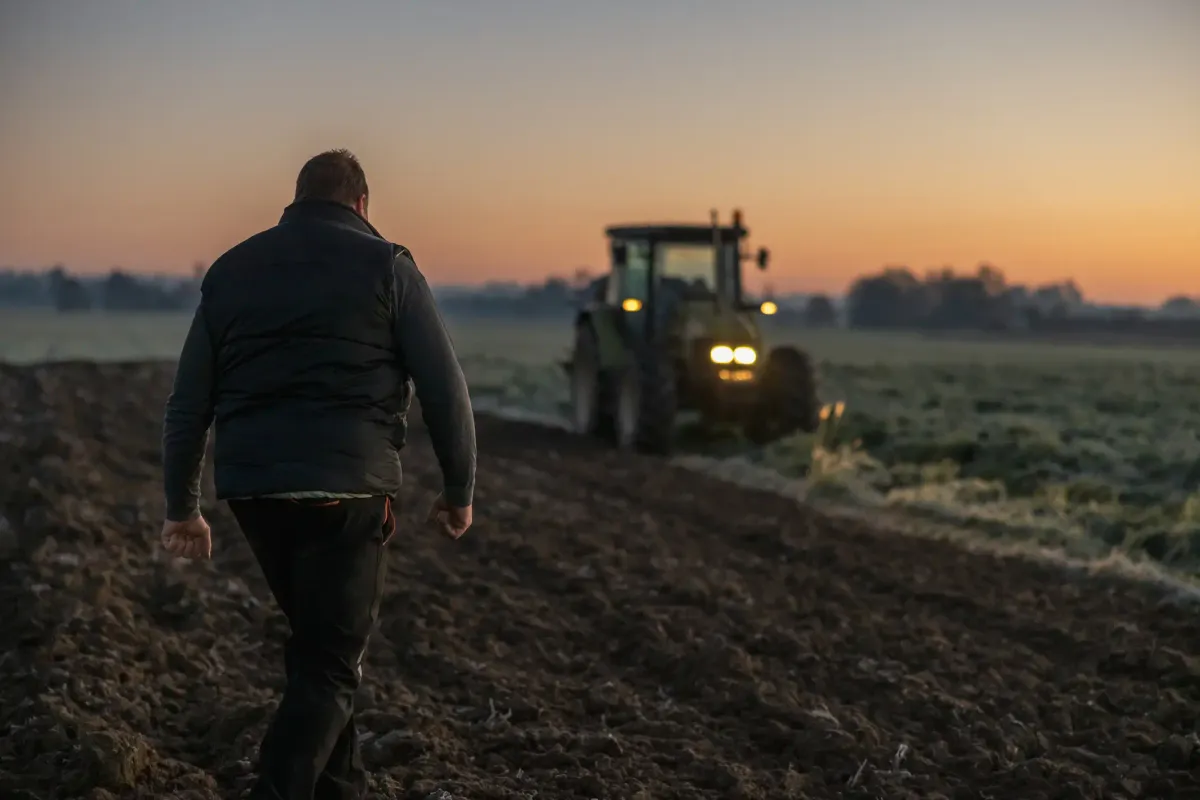
Polish agriculture: Catching up with Europe’s front-runners
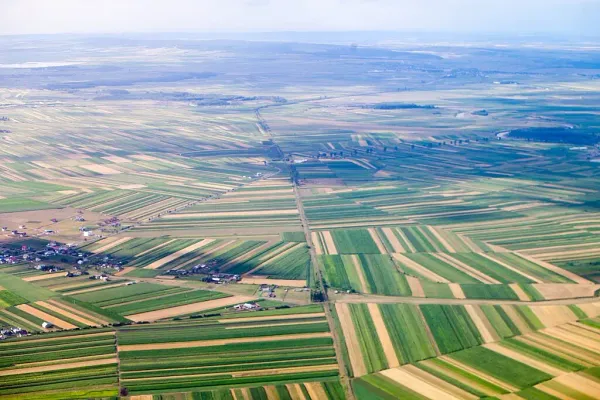
Poland’s rapidly developing agricultural sector is now competing in volume with the European Union’s largest agricultural producers. This success can be partly explained by the specific features of its agricultural policy and support system.
Today, Poland’s agricultural sector is one of the most dynamically developing in the European Union, and in terms of scale it significantly exceeds the performance of regional counterparts—traditionally a leading agricultural country in the region—across many key indicators. According to Eurostat data, by 2024 Poland had caught up with the largest member states (France, Germany, Italy and Spain) in terms of the value of agricultural production.
In terms of economic weight, agriculture in Poland accounted for approximately 2.6% of GDP in 2024 in gross value added (GVA) terms, significantly exceeding the EU average of 1.2%.
Regarding support policies, CEE countries operate within the framework of the European Union’s Common Agricultural Policy (CAP), which provides direct payments, rural development funding and market measures for farmers in the member states.
Comparing Polish and Hungarian agricultural policy
Poland’s CAP Strategic Plan sets out goals such as improving economic sustainability, profitability and productivity, enhancing rural living conditions, and strengthening farm competitiveness across the entire agri-food chain.
For comparison, Hungary’s CAP plan also emphasizes sustainability goals, improving the quality of life of the rural population, and enhancing environmental conditions, while supporting the use of modern technologies and food security.
Poland focuses on family farms, Hungary promotes large-scale farms
These documents show that both countries’ agricultural and rural development strategies are built on EU funding, but differences can be observed in implementation and in the efficiency of resource use. Hungarian support policy is more focused on large-scale farms, whereas Polish policy places family farms at the center. Poland supports a larger number of farms with smaller average size, while Hungary’s land structure is more concentrated. In addition, producer organizations (POs) and agricultural integrations play a stronger role in Poland, coordinating sales and exports more effectively.
Differing fund allocation strategies
The use of subsidies also differs significantly. Poland reallocates a larger share of its substantial CAP resources into direct payments and rural development, aiming to increase productivity and profitability. According to some analyses, the Polish support system uses EU funds more efficiently to stabilize agricultural production and strengthen rural society.
In Poland, agricultural land accounts for roughly half of the country’s total land area, and the sector’s employment weight is also significant (7.6% of total employment), reflecting a more balanced rural population distribution and specific labor market characteristics.
By contrast, agricultural land in Hungary covers around 55% of the territory, yet agricultural employment represents a relatively smaller share of the workforce, although it remains important for national food supply and rural employment.
Poland's production capacity makes the country a significant European player
The difference is particularly striking in the fruit and vegetable sector, which is one of the main reasons why Poland’s agricultural performance has grown more dynamically in recent years. Poland is now one of the European Union’s largest fruit producers, especially a dominant player in apple production. The country is the EU’s largest apple producer and a significant exporter on the global market. According to Eurostat and sectoral analyses, Poland accounts for more than one quarter of total EU apple production in certain years—far exceeding Hungary’s output.
Beyond apples, Poland is also a major producer of berries (raspberries, blackcurrants, blueberries), cherries and plums. The development of the processing industry—cold storage capacity, concentrate and juice plants—has placed the sector on a strongly export-oriented trajectory. The integration between apple production and processing is particularly strong, providing a stable market for farmers.
A similar trend can be observed in vegetable production. Poland is one of the EU’s largest producers of cabbage, carrots, onions and tomatoes, particularly in open-field cultivation. The country’s large domestic market and developed processing industry (canning and freezing) create stable demand.
In comparison: Hungary's production capacities
In contrast, Hungary’s fruit production is smaller in scale and more vulnerable. Although traditionally strong in apples, sour cherries and apricots, yields have fluctuated significantly in recent years due to spring frosts and drought. Extreme weather events in recent years—especially the 2022 drought—have substantially reduced output, pointing to structural risks related to climate change.
In Hungary, vegetable production is traditionally strong in peppers and processing tomatoes, but overall production volumes are smaller, and the share of irrigated land is lower than would be optimal given climate exposure. Water scarcity and the limited development of irrigation infrastructure are among the most important competitiveness constraints.
Labour force prospects
Other structural factors also significantly influence the divergence between the two countries’ agricultural sectors. Across the region, aging farmers and labor shortages pose major challenges, particularly due to the difficulty of retaining younger generations in agriculture. In Poland, a substantial source of labor replacement has come from arrivals from Ukraine, while in Hungary this effect has been less pronounced.