Nuclear pedestal - The key in Slovakia’s energy policy
In the second part of our energy overview, we present the Slovak energy system and its challenges. Slovakia’s energy policy resembles Hungary’s in many aspects, but there are also significant differences.
Slovakia’s energy system has a typically mixed structure, yet it clearly contains elements built on a nuclear foundation, as well as import-dependent and politically sensitive components.
Electricity generation largely dominated by nuclear power
Nuclear energy dominates electricity generation: nuclear reactors provide the majority of the country’s electricity, and national energy policy institutionally favors this approach. According to European statistics, Slovakia has one of the highest shares of nuclear power generation among EU member states (around 65% of total electricity production). Nuclear power’s main strength lies in its stable, large-scale, and relatively low-carbon electricity production; however, high investment costs, long construction times, and nuclear waste management remain serious challenges.
Share of renewables remains limited
In electricity generation, the share of renewables is still limited, although it is increasing and is primarily based on hydropower. This relatively low level—especially in solar and wind energy—can be seen as a weakness from the perspective of energy security and decarbonization. International analyses indicate that the share of renewables in energy production remains comparatively modest, partly due to earlier policy orientations and support schemes. At the same time, participation in the sector is growing, which may improve energy independence in the longer term.
High reliance on fossil fuels and Russian energy imports
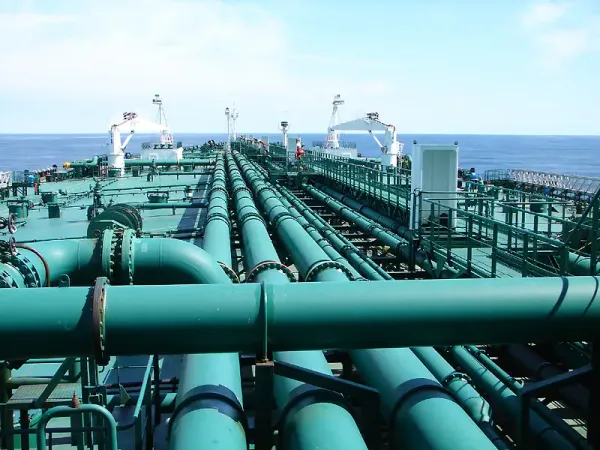
Imported fossil fuels continue to play a significant role in primary energy consumption, particularly natural gas and oil, as domestic resources are limited. As a result, the country has greater exposure to foreign suppliers than many other European states. This import dependence constitutes a structural weakness, especially during geopolitical crises or supply disruptions.
Dependence on Russian energy is a key issue in Slovakia’s politics and practical energy security. The country maintains a long-term gas contract with Russia’s Gazprom, which secures Russian natural gas supplies until 2034. At the political level, this has proven sensitive: Slovakia, particularly under Prime Minister Robert Fico, has repeatedly and firmly opposed European Commission proposals that would phase out Russian gas imports entirely by 2027–2028.
This policy can be partly explained by geographical and infrastructural constraints, as well as price sensitivity and economic risk considerations. According to the Slovak government’s argument, a rapid ban on Russian energy imports would cause significant supply shortages and price increases; consequently, Bratislava is prepared to take legal action within the EU against such measures.
At the same time—and this is where the political complexity lies—the Slovak position is not entirely uniform. In other international statements, the government has emphasized its willingness to negotiate with Western partners and the United States on developing a common energy sourcing strategy, while maintaining its own energy security interests.
Regional cooperation
In terms of diversification, there are also strategic regional cooperations, such as the strengthening of Hungarian–Slovak electricity market integration and collaboration, which may increase supply flexibility in the longer term.
Strengths and weaknesses
The primary strength of Slovak energy policy lies in its stable, nuclear-based electricity generation and developing regional cooperation. Its weaknesses include high import dependence—particularly on Russian fossil fuels—the relatively limited integration of renewables, and exposure to external geopolitical tensions. The current political direction suggests that Slovakia follows a form of “security realism,” relying on traditional energy sources while simultaneously seeking compromise with regional and European expectations—an approach that will require further adaptation and innovation to ensure long-term sustainability and energy security.