Druzhba pipeline shutdown plunges Hungary and Slovakia into oil dispute with Ukraine
A Russian airstrike on 27 January damaged a key pumping station near Brody, in Ukraine's Lviv Oblast, bringing the southern branch of the Druzhba pipeline to a complete halt. Now a month later, oil has still not resumed flowing, and what began as a technical disruption has snowballed into one of the sharpest political crises between Hungary, Slovakia and Ukraine since the full-scale invasion began four years ago.
A pipeline two countries depends on
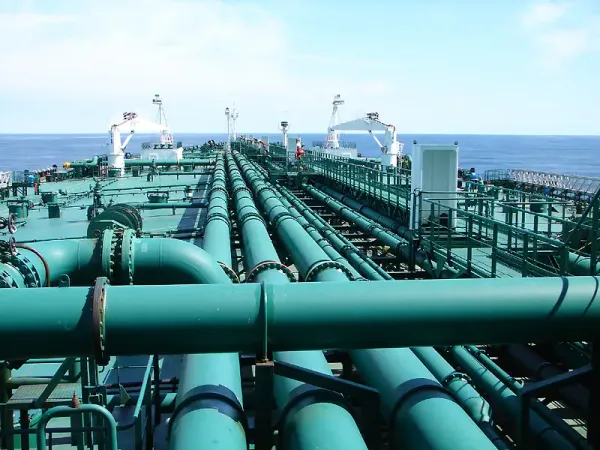
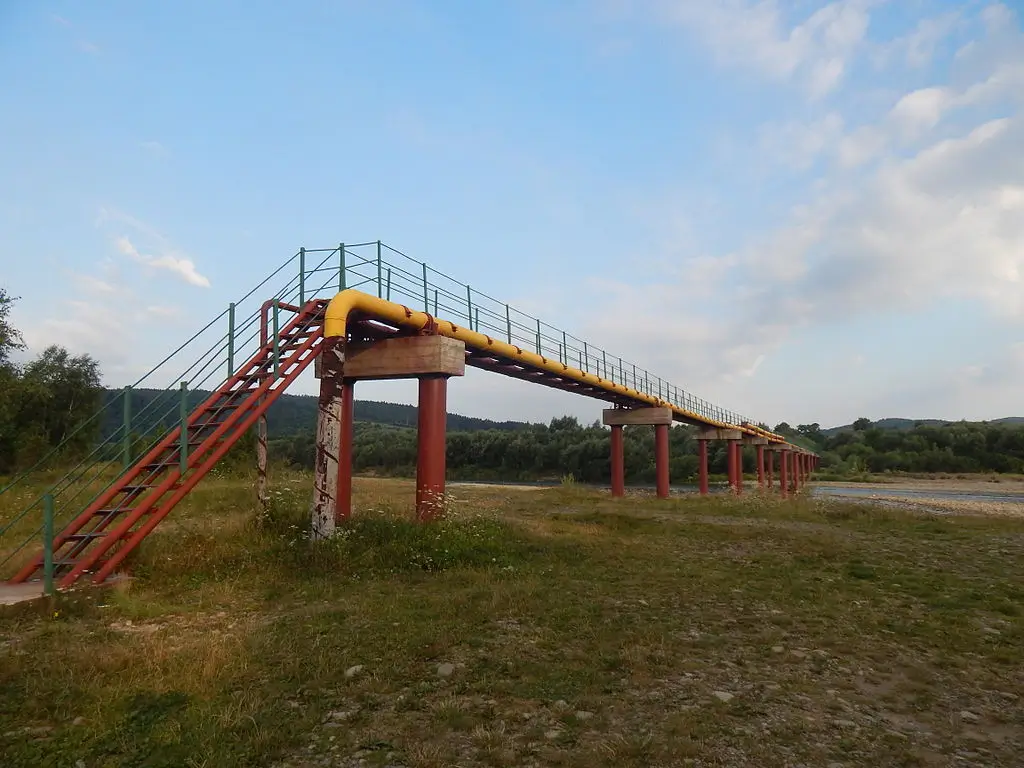
The Druzhba ("Friendship") pipeline, built in the 1960s, is one of the world's longest oil conduits, stretching over 4,000 kilometres from eastern Russia into Central Europe. Its southern branch is the last route still delivering Russian crude directly into the European Union, feeding refineries in Hungary and Slovakia — the only two EU member states still operating on Russian pipeline oil.
The scale of dependence is striking. Hungary requires approximately 5.75 million tonnes of oil per year, of which an estimated 86% was sourced from Russia via Druzhba as recently as 2025 — up from 61% before the 2022 invasion. Slovakia's annual demand stands at around 4.66 million tonnes. Since the start of the full-scale war in February 2022 and through the end of 2024, Hungary imported 13.5 million tonnes of Russian crude (worth €6.3 billion), while Slovakia imported 13 million tonnes (€6.1 billion). Those imports alone generated an estimated €5.4 billion in tax revenues for the Kremlin, enough, analysts note, to fund roughly 1,800 Iskander-M missiles.
Before the January strike cut supplies, the pipeline was delivering around 150,000 barrels per day (bpd) to the two countries — already down from an average of approximately 200,000 bpd recorded in the same period over the preceding three years. Since 27 January, deliveries have been zero.
No restart in sight
Ukraine insists that repair work is underway but is being carried out "under very difficult circumstances" — namely, continued Russian shelling of the same infrastructure. Kyiv places full blame for the suspension on Moscow. "Full responsibility for the suspension of oil transit through the Druzhba pipeline lies solely with the Russian Federation," Ukraine stated in a letter to the EU ahead of a coordination meeting on 25 February.
The European Commission, which asked President Zelensky during a Kyiv summit to accelerate repairs, acknowledged that the work is ongoing but gave no timeline for restoration. As of 26 February, no restart date has been set.
Hungary's Prime Minister Viktor Orbán has further complicated matters by requesting an EU "fact-finding mission" to verify the extent of damage on the ground — a step he suggested could help unlock a stalled €90 billion EU loan to Ukraine, which Budapest has vetoed in retaliation for the pipeline halt.
Alternatives exist, but come at a price
The EU's Oil Coordination Group concluded on 25 February that there is no immediate threat to EU energy security. The alternative Adria pipeline, running from Croatia's Adriatic coast through Central Europe, has sufficient capacity to fully cover both countries' needs and is already delivering non-Russian crude to Hungary and Slovakia. Hungary and Slovakia have also begun drawing on their strategic oil reserves, which EU law requires members to hold at a minimum of 90 days of net imports.
The catch, however, is cost. Both Budapest and Bratislava have insisted on their right to continue receiving the significantly cheaper Russian crude they have contracted through Druzhba. The price difference is a particularly sensitive issue for Hungary, where the state budget deficit is already close to 4.6% of GDP.
A crisis with political roots
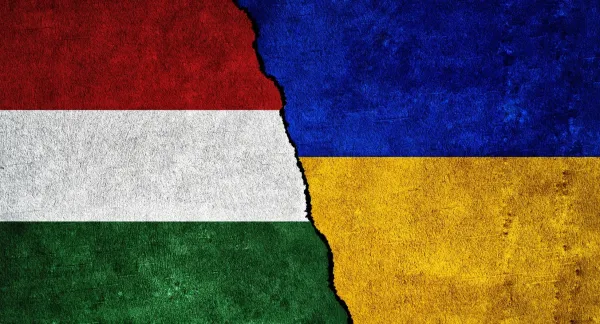
The dispute has rapidly escalated beyond energy. Hungary has blocked not only the EU loan to Ukraine but also a new round of sanctions against Russia. Slovakia suspended emergency electricity supplies to Ukraine. In response, the EU has pointed out that, contrary to Hungary's claims of "blackmail", the Adria pipeline can meet its needs, and that Budapest's deep dependence on Russian oil is a policy choice, not an inevitability.
As repairs continue under fire and diplomatic pressure mounts from Brussels, the Druzhba crisis has become a microcosm of the wider tensions over Europe's unfinished divorce from Russian energy.