
The “Roma card” in domestic politics
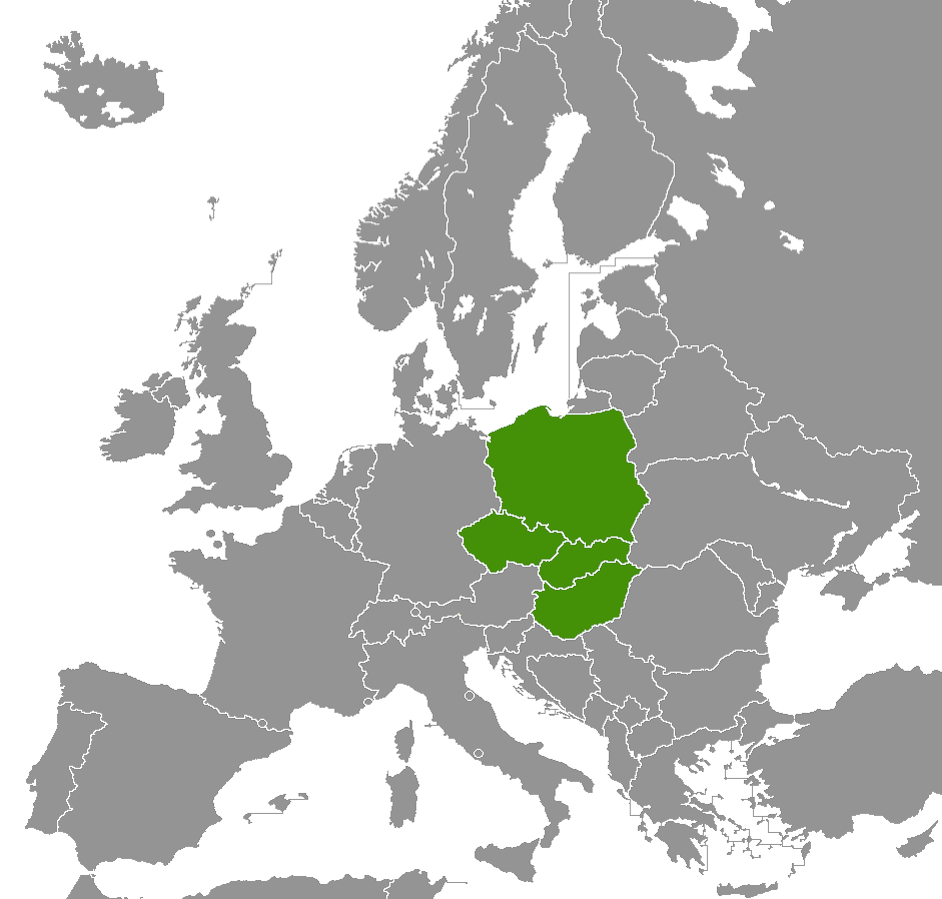
Across Central Europe, debates involving Roma communities have resurfaced in the region, with controversial political statements in Hungary, security-focused legislation in Slovenia, and recurring discussions in Czech and Slovak domestic politics around social inclusion, discrimination, and public policy.
Hungarian Minister of Construction and Transport gives controversial statement
In early 2026, an intense domestic political debate emerged in Hungary following a statement by János Lázár, Minister of Construction and Transport, in which he referred to the Roma community as an “internal reserve” for carrying out jobs that others—according to his words, immigrants who do not even make it into Hungary—are unwilling to take on. The controversy erupted when Lázár said at a public forum that “if there are no migrants, and someone has to clean the toilets on InterCity trains then internal reserves must be mobilized, and that internal reserve is the Roma population of Hungary”. This wording triggered nationwide outrage, prompting reactions not only from opposition parties and civil society organizations, but also from Roma organizations.
Lázár later issued a public apology for his remarks, but this did not fully halt the criticism.
The debate went beyond a single sentence, raising deeper questions about perceptions of the Roma community, the responsibility of public discourse, and political support bases—especially in the context of the 2026 election campaign. In this environment, analysts note that the Roma electorate, which traditionally has lower voter turnout but tends to lean toward the governing side, does not automatically support the ruling party.
Slovenian parliament expanded police powers
In Slovenia, a domestic political debate related to the Roma community also emerged in late 2025 following a tragic homicide that led to legislative action. On October 25, a man named Aleš Šutart was seriously injured in a fight and later died following an incident involving a Roma man in the city of Novo Mesto. In response, the Slovenian parliament passed legislation in November known as the “Šutar Act,” which grants expanded police powers in so-called “high security risk areas,” including warrantless inspections of properties and vehicles in certain cases, as well as the use of video and other surveillance technologies.
The government emphasized that the law is not aimed at any specific ethnic group, but rather at “combating crime.” Nevertheless, widespread criticism followed, arguing that the law may disproportionately target Roma communities, who as a minority are already exposed to discrimination. Critics—including civil society organizations and human rights groups—argued that the legislation grants excessive police powers, weakens fundamental legal safeguards and due process standards, and thereby endangers the basic rights of the community.
The topic periodically appears in Czech and Slovak politics as well
The “Roma card” periodically appears in Czech and Slovak domestic politics as well. In Slovakia, the physical and educational segregation of Roma groups living in extreme poverty regularly arises both as a social problem and as a campaign topic, while in the Czech Republic the Roma issue primarily comes into focus due to discrimination in housing and education, as well as cases of hate speech.
Still lacking social inclusion attempts in the region
Overall, the countries of the region are home to Roma populations numbering in the millions, with distinct cultural patterns and generally poorer living conditions than the majority population—conditions that consistently provide fertile ground for political strategies built on stirring ethnic tensions. Successful social inclusion has so far not been achieved in any of the countries concerned.