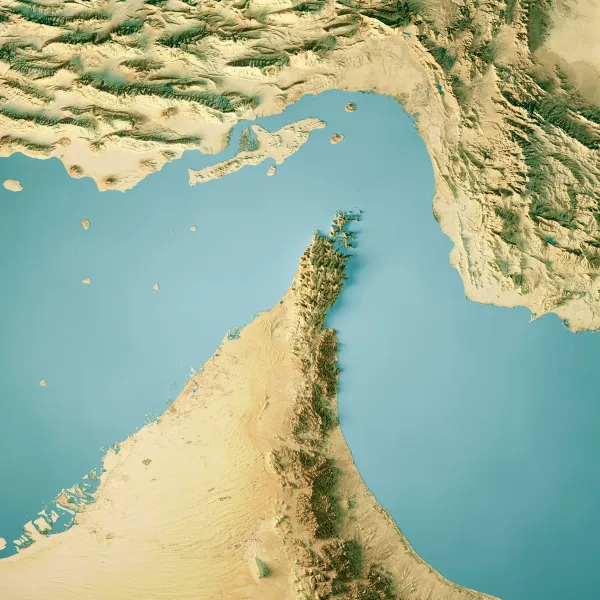
From the Gulf to Central Europe: a distant conflict with close-to-home consequences
The Strait of Hormuz is thousands of miles from Budapest or Prague. Yet the crisis unfolding there is already hitting Central European drivers at the pump.

A collection of 240 posts
The Strait of Hormuz is thousands of miles from Budapest or Prague. Yet the crisis unfolding there is already hitting Central European drivers at the pump.
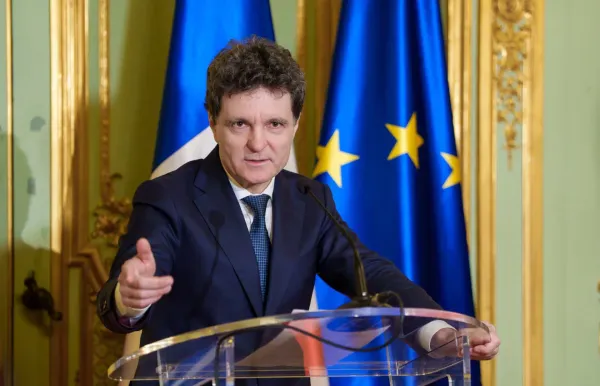
Nicușor Dan said the United States remained a vital strategic partner for Romania’s security.
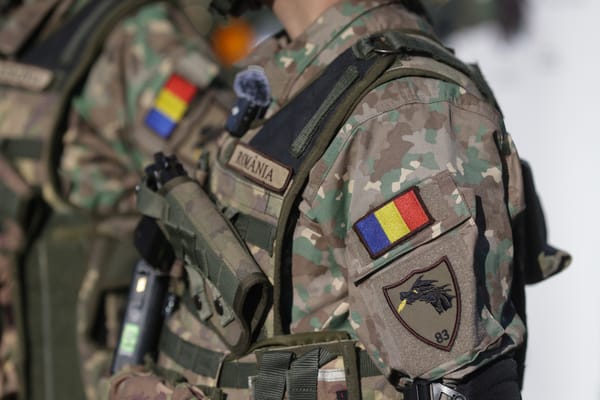
Romania’s Ministry of Defence has requested a record budget for 2026, seeking 57 billion lei in direct allocations.
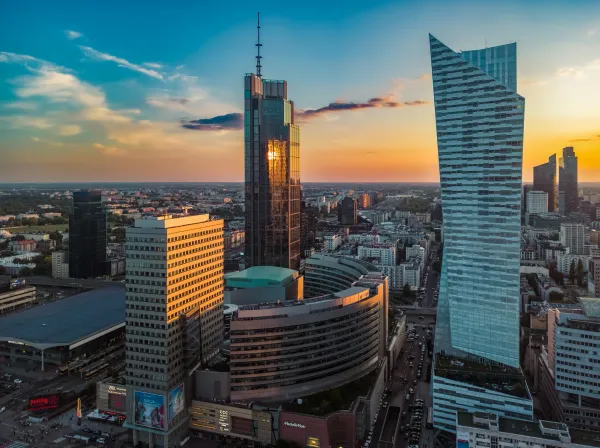
Poland’s economic success lies in consistent reforms and smart EU fund use, while Hungary and Romania followed more volatile development paths.
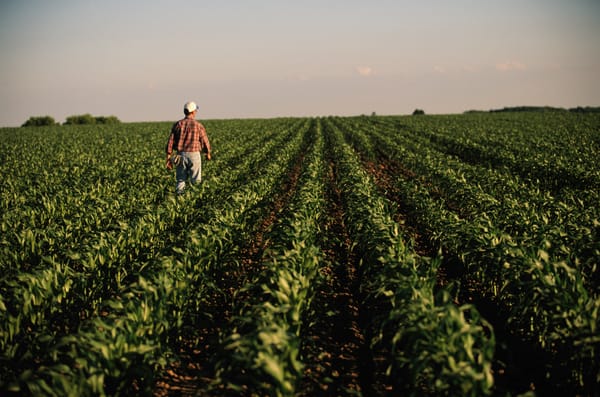
Despite expectations, the EU–Mercosur deal was not signed and stances of CEE countries remain divided.

Administrative interventions are used to curb inflation in numerous CEE countries, with Hungary adopting the most market‑interfering measures.
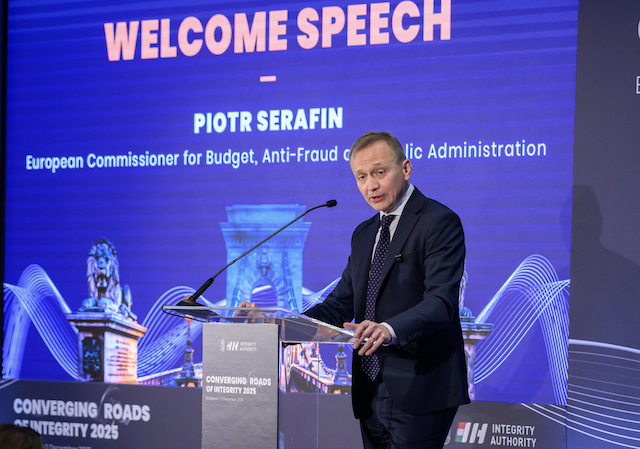
Recent corruption revelations in Ukraine and institution restructuring in Slovakia brings renewed attention to anti-corruption bodies in CEE.
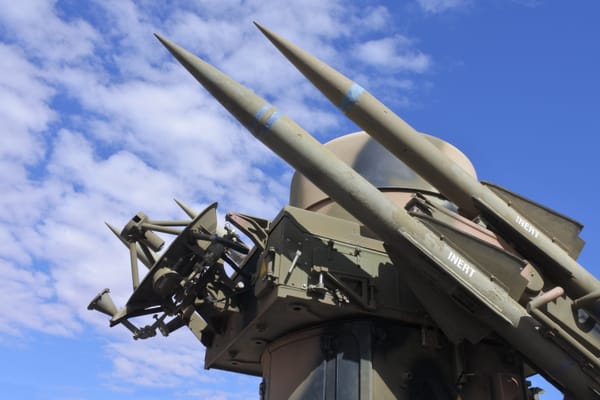
Romania’s Ministry of National Defence has announced plans for a wide-ranging modernisation of the armed forces.
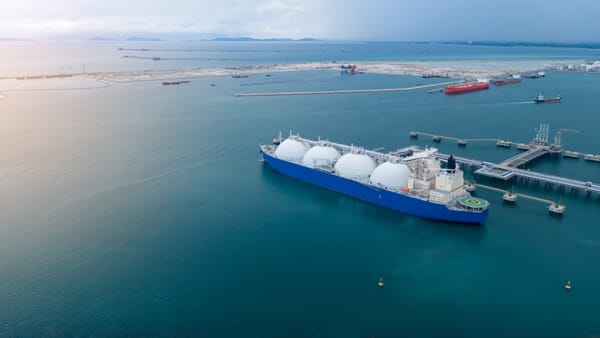
The Neptun Deep project is viewed as a pivotal opportunity for Romania's economy and energy independence.
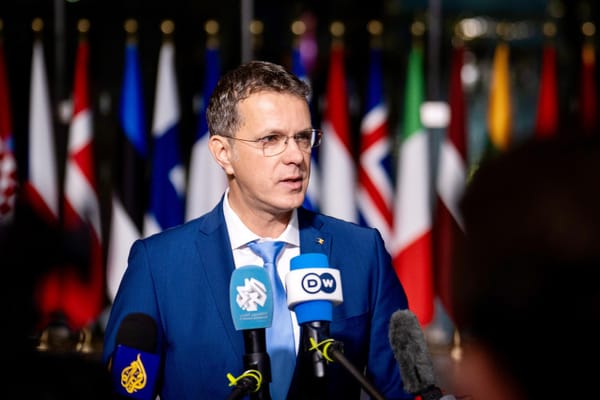
The minister highlighted by resigning he aimed to prevent further distractions from national security concerns.
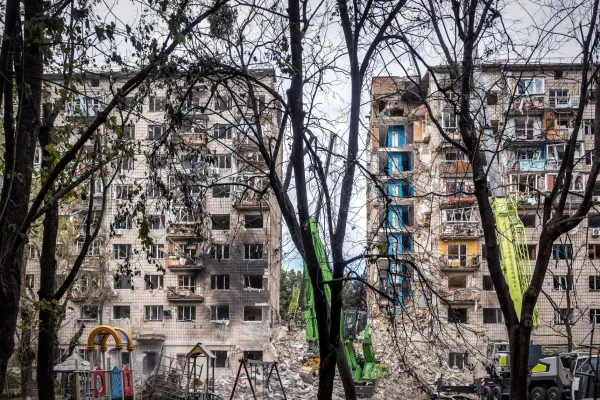
Public attitudes toward the war in Ukraine vary highly and have shifted significantly across the CEE region.
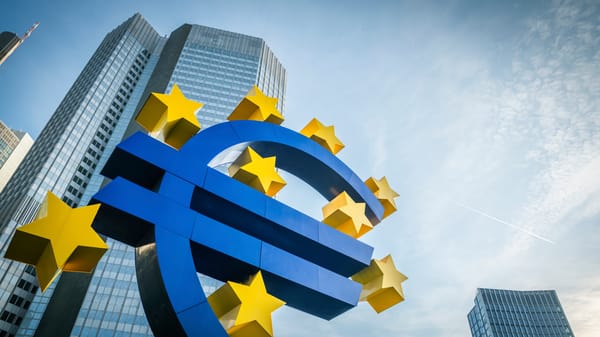
CEE countries differ on euro adoption, some view it as a path to convergence, while others wary of potential negative effects.
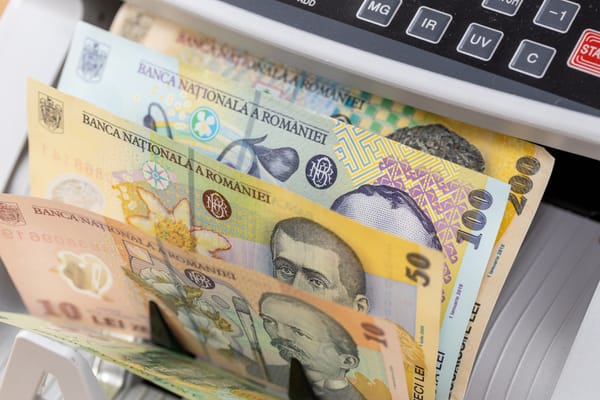
Romania is projected to see modest growth and a gradual narrowing of the budget deficit over the next three years.
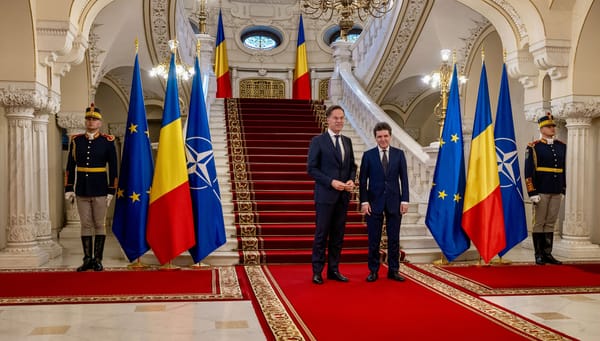
Romanian and NATO leaders held talks focusing on strengthening Romania’s security amid ongoing regional tensions.
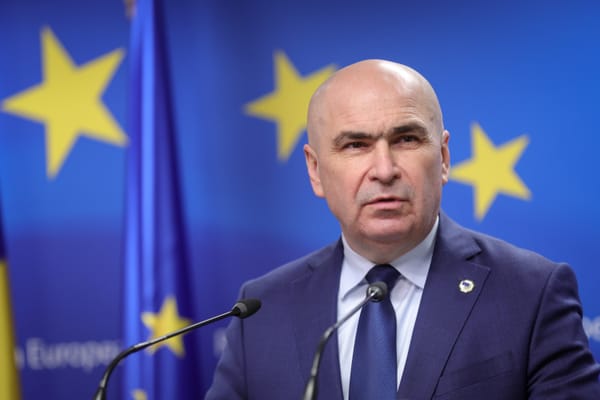
Romanian PM Ilie Bolojan warned that peace is no longer guaranteed, stressing that ensuring security is a shared responsibility of society.