Romanian agriculture: Self-sufficient small farms, growing large holdings, and looming climate risks
Romania’s agricultural sector is among the more significant in the EU, both in terms of economic contribution and employment. As the next part of our agricultural overview shows, this also harbors risks for the segment.
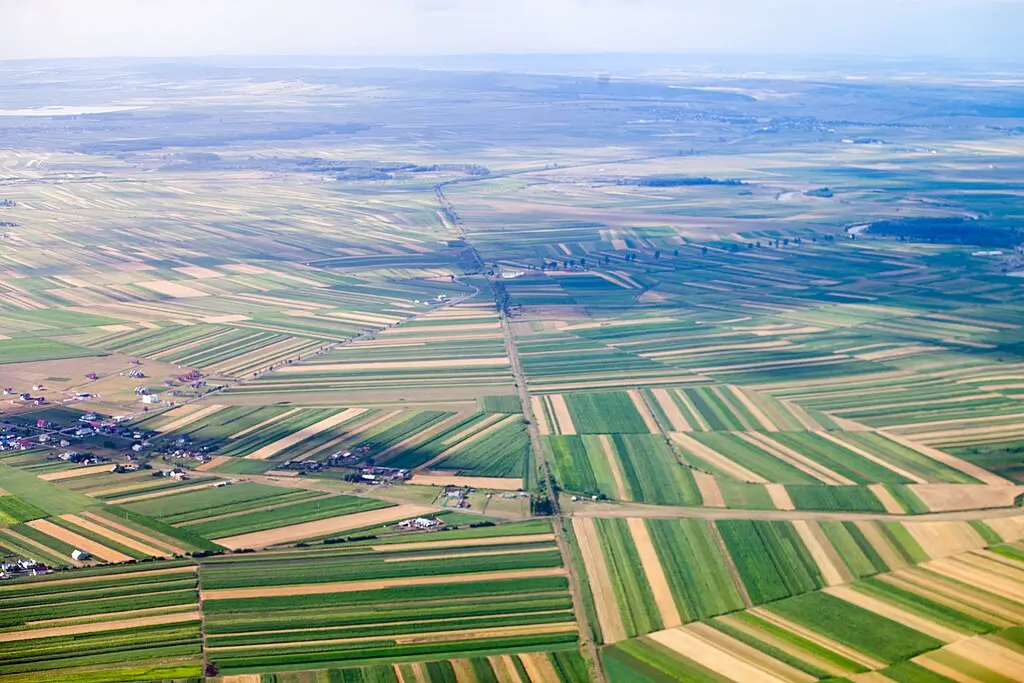
Romania has one of the largest agricultural land areas in the European Union. The country’s agricultural land exceeds 13 million hectares, making it one of the EU’s largest areas under agricultural use. The European Commission’s country profile provides a detailed overview of Romania’s agricultural structure and the main directions of the 2023–2027 CAP Strategic Plan – showing a dual nature in its agrarian sector.
The structure of Romanian agriculture is strongly dual: on one hand, there are a large number of small, often self-sufficient farms, and on the other hand, significant large, export-oriented holdings, especially in cereal and oilseed production. According to Eurostat data, Romania has one of the highest agricultural employment rates in the EU.
Agriculture contributes around 4–5% to Romania’s GDP, well above the EU average, significantly contributing to the Romanian economy.
In terms of production structure, Romania is a leading EU producer of cereals and oilseeds. The United States Department of Agriculture (USDA) country reports for Romania note that the country is one of Europe’s largest producers of maize and sunflower seeds, with significant export capacity.
Romania's national agricultural policy
Romania’s agricultural policy is based on the European Union’s Common Agricultural Policy (CAP). The 2023–2027 Romanian CAP Strategic Plan aims to enhance competitiveness, increase income security, support young farmers, and promote the green transition.
Sustainability goals also include increasing the share of organic farming. According to EU data on organic land, Romania still has significant growth potential.
Challenges ahead
Structural challenges include fragmented land holdings, low productivity, and the impacts of climate change. Reports from the European Environment Agency (EEA) highlight that droughts and extreme weather events are increasingly posing risks to agricultural production.
A major challenge is climate change and drought exposure. In recent years, Romania has been affected by several severe droughts, causing significant losses in cereal production. The EEA country reports cited above also specifically address water scarcity and the growing risks from extreme weather.
Another structural issue is insufficient irrigation infrastructure. Much of the pre-1989 extensive irrigation network has deteriorated or fallen out of use, increasing the climate dependency of production.
Further challenges include rural depopulation and a lack of generational renewal. The proportion of young farmers is low, and a significant share of agricultural producers belongs to older age groups.
Competitiveness is also constrained by the low added value of food processing. While Romania exports large volumes of raw agricultural products (especially cereals and oilseeds), it often exports at lower processing levels while importing higher value-added products.
Finally, the cost of the green transition and environmental compliance is a key challenge. In the 2023–2027 CAP period, a significant share of support is tied to environmental and climate objectives, placing adaptation pressure on smaller, capital-constrained farms.