Rain of money on Polish cities: capital-attracting capacity rises sharply
c
The year 2026 is set to bring historic investment growth for Polish major cities. According to the latest data, the 15 largest cities plan to spend a total of PLN 16.2 billion on development projects, approximately HUF 1,500 billion, representing an average increase of 10–15% over 2025 plans. This growth is primarily enabled by EU funds and Poland’s available recovery and development resources. As a result, city investment budgets have reached historic highs, with a significant portion of the funds going directly to municipalities rather than being distributed by the central government.
Białystok leads investment levels, Gdansk to grow by 40%
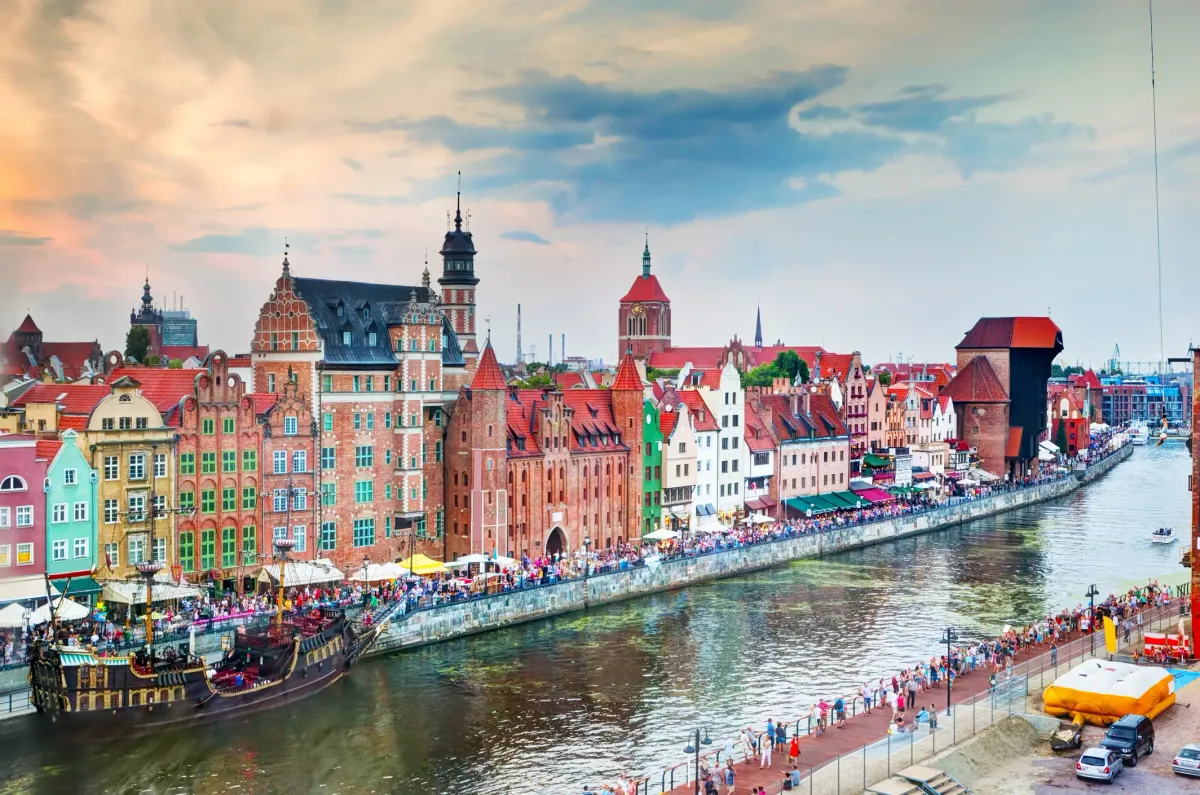
The pace of growth is particularly notable in Białystok, where planned investments are 70% higher than in 2025. In Gdańsk, growth reaches 40%, while Kraków, Łódź, and Lublin are expected to see increases of around 30%. Meanwhile, some cities, such as Bydgoszcz, Szczecin, and Radom, plan slightly smaller investments in 2026 compared to the previous year.
The investments are primarily focused on transport and community infrastructure, but road, pedestrian, and bicycle path renovations, as well as cultural and sports facility developments, are also priorities. Cities aim for spending that directly improves residents’ quality of life, while EU funding allows municipalities to make autonomous decisions. Transport projects receive particular attention, with expansions of metro networks, upgrades to tram lines, and the acquisition of new bus fleets set to improve urban mobility over the long term.
The whole process demonstrates that Polish municipalities enjoy strong autonomy, can make their own investment decisions, and efficiently leverage EU funds. This financing model allows cities to respond quickly to residents’ needs and direct economic development for the benefit of local communities.
…Meanwhile in Budapest
In Hungary, the budgets of the capital and other major cities are significantly affected by the solidarity contribution, which must be paid to the central government to maintain the national economic balance. In Budapest, this amounts to tens of billions of forints annually, substantially reducing the city’s own investment capacity and leaving less room for transport, infrastructure, or community development projects. While Polish cities can plan their investments autonomously, largely supplemented by EU funds, Hungarian cities often operate under centrally controlled, heavily constrained budgets, limiting both the scale and speed of planned developments.